
Introduction
The Collared Pratincole (Glareola pratincola) is a truly remarkable species that defies typical categorization. While taxonomically classified as a wader, this bird possesses a distinct, swallow-like silhouette and an aerial hunting style that sets it apart from its shorebird cousins. Primarily found across parts of Europe, Africa, and Asia, the Collared Pratincole is a migratory bird known for its grace and agility on the wing. Its presence is often a sign of a healthy, open wetland ecosystem, as it relies on specific environments to forage and raise its young. Ornithologists and birdwatchers alike are drawn to this species for its striking appearance and its complex social behaviors during the breeding season. Understanding the life cycle of the Collared Pratincole offers deep insights into the migratory patterns of birds and the importance of preserving the interconnected habitats they depend on across continents. As a species that bridges the gap between land and water, it remains a focal point for conservation efforts in many regions.
Physical Appearance
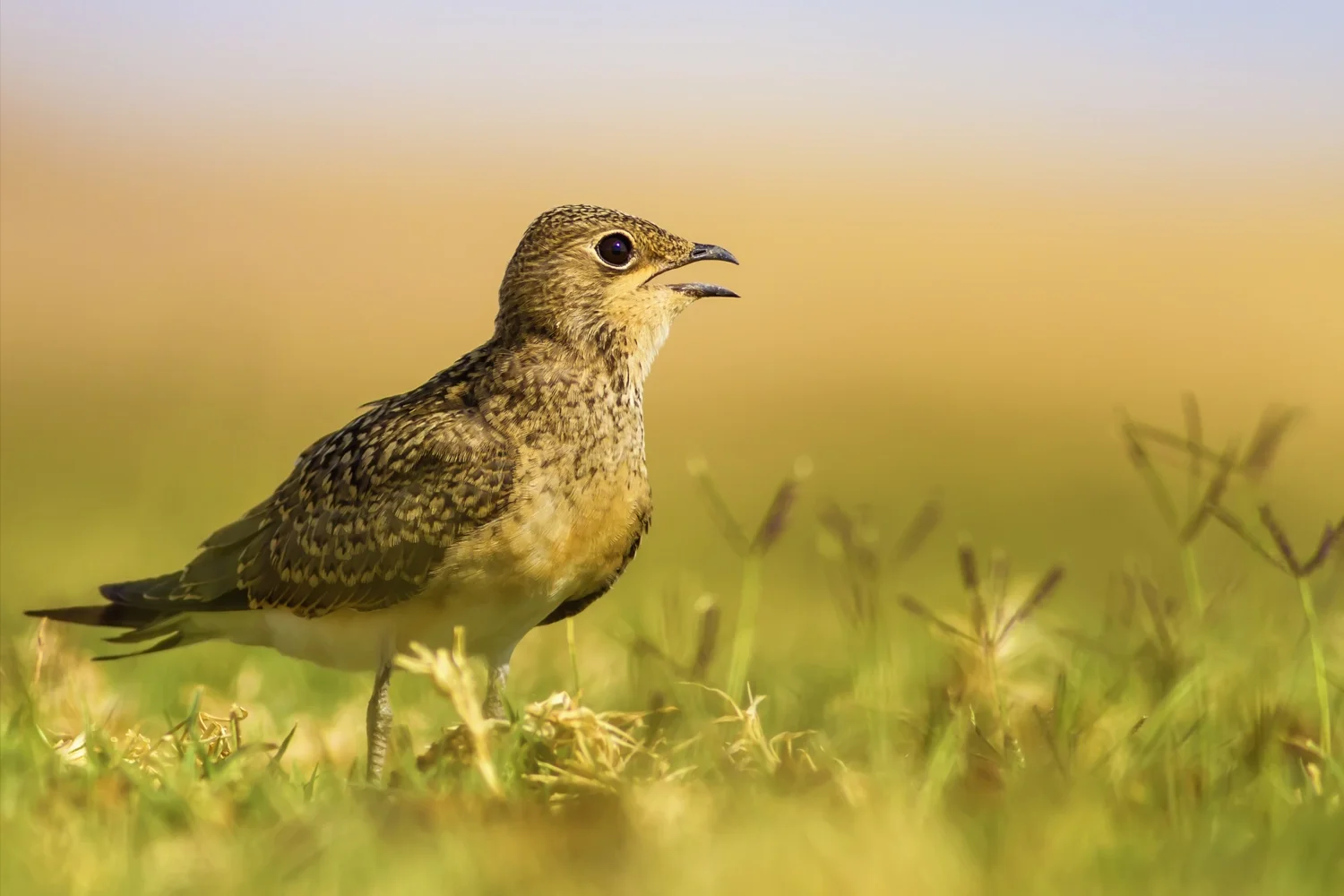
The Collared Pratincole is a medium-sized bird, measuring between 24 and 28 centimeters in length. Its physical appearance is characterized by a sleek, aerodynamic profile that aids in its rapid, insect-catching flight. The primary coloration is a soft, earthy brown, which provides excellent camouflage against the mudflats and dry grasslands it inhabits. A defining feature is the white trailing edge of its long, pointed wings and a distinct white rump that is highly visible during flight. The bird also sports a buff-colored throat bordered by a thin, dark, and often incomplete necklace-like band, which gives it its common name. Its short, black, and slightly down-curved bill is perfectly adapted for snatching insects mid-air or picking them from the ground. The legs are relatively short and dark, and the eyes are dark with a subtle ring around them. Overall, the combination of its brown upperparts and white underbelly creates a sharp, elegant contrast that makes it easily identifiable to an observant birder.
Habitat
The Collared Pratincole prefers open, expansive landscapes, which are essential for its unique foraging style. It is predominantly found in warm, temperate regions, favoring areas near freshwater wetlands, salt pans, and lagoons. These birds are specifically attracted to bare or sparsely vegetated ground, such as dried-out lake beds, sandy riverbanks, or freshly plowed agricultural fields. They avoid dense forests or tall, thick vegetation, as these environments hinder their ability to spot predators and catch prey on the wing. Because they are migratory, their habitat requirements shift throughout the year, necessitating a network of protected stopover sites across their extensive range to ensure their survival during long-distance travels.
Diet
As an insectivorous species, the Collared Pratincole plays a significant role in natural pest control within its ecosystem. Its diet consists almost exclusively of a wide variety of flying insects, including dragonflies, beetles, grasshoppers, and moths. Unlike many other waders that probe the mud with their bills, the Collared Pratincole typically hunts by hawking insects mid-air, behaving much like a large swallow or tern. Occasionally, they will also forage on the ground, running rapidly to snatch insects from the surface. This dual-foraging strategy allows them to exploit different insect populations, ensuring they have consistent access to food even when aerial insect activity is low.
Breeding and Nesting
Breeding for the Collared Pratincole is a communal affair, often occurring in loose colonies. They do not construct elaborate nests; instead, they create a simple scrape or depression directly on the bare ground, sometimes lining it with small bits of vegetation or shells. The female typically lays a clutch of two to four eggs, which are mottled to blend in perfectly with the surrounding substrate. Both parents share the responsibilities of incubation, which lasts approximately 17 to 19 days. During the breeding season, these birds can become quite defensive, performing elaborate distraction displays to lead potential predators away from their nests. Chicks are precocial, meaning they are able to move and feed shortly after hatching, though they remain under the watchful care of their parents until they fledge.
Behavior
The behavior of the Collared Pratincole is a fascinating blend of terrestrial and aerial prowess. They are highly social birds, often seen in groups, and their flight is incredibly graceful, characterized by rapid changes in direction. When on the ground, they move with a quick, nervous gait, often bobbing their heads. They are also known for their vocal nature, emitting sharp, tern-like cries, especially when disturbed or defending their territory. During the non-breeding season, they form large, nomadic flocks in search of optimal feeding grounds, demonstrating remarkable adaptability and coordination as they navigate across vast distances in response to seasonal changes in insect availability.
Conservation Status - LC Least Concern
The Collared Pratincole is currently listed as a species of Least Concern by the IUCN, but this status masks localized threats. Their reliance on specific, open-ground habitats makes them vulnerable to land-use changes, such as the drainage of wetlands, the intensification of agriculture, and the conversion of natural grasslands. Climate change also poses a risk by potentially altering the timing of insect emergence, which is critical for the success of their breeding season. Continued monitoring and the protection of key breeding colonies and migratory stopover points are essential to ensure the long-term stability of their populations across their international range.
Interesting Facts
- The Collared Pratincole is often referred to as a 'swallow-plover' due to its unique combination of shorebird anatomy and swallow-like flight.
- They are capable of drinking while in flight by skimming the surface of the water.
- During the heat of the day, they may stand in the shade of their own wings to keep cool.
- They are highly nomadic and will move vast distances to follow swarms of locusts or other abundant insect prey.
- Their nests are notoriously difficult to spot because the eggs look exactly like pebbles.
- They perform 'broken-wing' displays to lure predators away from their chicks.
Tips for Birdwatchers
To successfully spot a Collared Pratincole, focus your efforts on open, flat areas near water during the spring and summer months. These birds are most active during the early morning and late evening, when insect activity is at its peak. Use high-quality binoculars or a spotting scope, as they often stay at a distance and are well-camouflaged against the ground. Patience is key; watch for their distinct, erratic flight pattern, which is a dead giveaway compared to other shorebirds. If you find a potential breeding colony, maintain a respectful distance to avoid causing stress, as these birds are sensitive to human presence near their ground nests. Checking eBird or local birding reports for recent sightings in your area can also significantly increase your chances of a successful observation.
Conclusion
The Collared Pratincole is a testament to the incredible diversity and adaptability of avian species. By bridging the gap between the terrestrial shorebird world and the aerial world of swallows, this bird occupies a unique niche that is essential to the balance of its ecosystem. Its striking beauty, from the earthy brown plumage to the crisp white accents, makes it a prized sighting for any bird enthusiast. However, beyond its aesthetic appeal, the Collared Pratincole serves as an important indicator species for the health of wetlands and grasslands. As we continue to face global environmental challenges, the survival of this species depends on our commitment to preserving the open, undisturbed landscapes they call home. By supporting conservation initiatives and practicing responsible birdwatching, we can ensure that future generations will have the opportunity to witness the swift, elegant flight of these remarkable birds. Whether you are a seasoned ornithologist or a casual nature lover, the story of the Collared Pratincole is a compelling reminder of the interconnectedness of our natural world and the ongoing need for stewardship of the habitats that support such extraordinary wildlife. Protecting these birds is not just about a single species; it is about protecting the integrity of the vast, open spaces that define our planet's natural heritage.