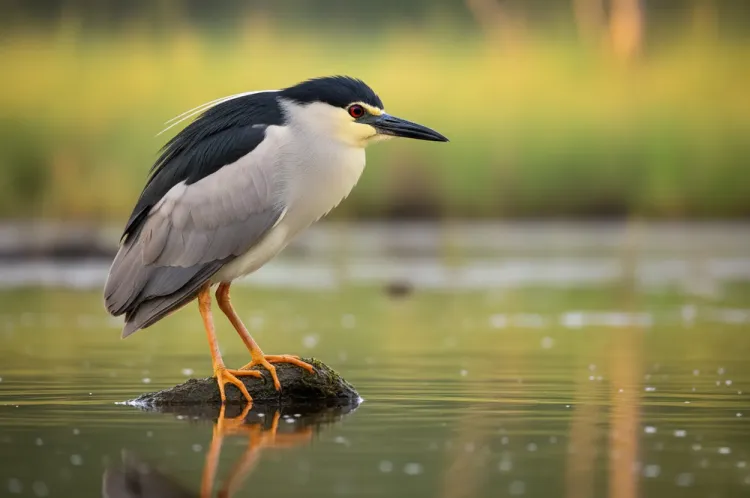
✨ Khoảnh khắc lịch sử: Sau gần một thập kỷ, vào ngày 26 tháng 3 năm 2026, một chú chim non Ô tác Ấn Độ (Ghorad) đã chào đời trong môi trường tự nhiên tại vùng đồng cỏ Kutch, Gujarat! Tin tức này đã tạo nên một làn sóng phấn khích tột độ đối với những người yêu động vật hoang dã và các nhà bảo tồn trên khắp cả nước.
Sáng kiến ‘Jumpstart’: Phép màu này được thực hiện thông qua một hoạt động khoa học đầy rủi ro được gọi là "Phương pháp Jumpstart". Các nhà bảo tồn đã vận chuyển một quả trứng chim Ô tác có khả năng nở vượt quãng đường hơn 770 km từ Jaisalmer, Rajasthan đến Kutch trong một máy ấp trứng di động được thiết kế đặc biệt. Sau đó, quả trứng được đặt cẩn thận vào tổ của một chim mẹ thay thế ngoài tự nhiên. Sự hợp tác liên bang giữa cơ quan kiểm lâm Rajasthan và Gujarat cuối cùng đã gặt hái được quả ngọt.
🌿 Tại sao đây là "Tin cực kỳ vui"?
- 🔟 Một thập kỷ chờ đợi: Đây là lần đầu tiên xác nhận việc nở thành công của một chú chim Ô tác Ấn Độ non ngoài tự nhiên sau 10 năm.
- 🕊️ Loài cực kỳ nguy cấp: Ô tác Ấn Độ được liệt kê là "Cực kỳ nguy cấp" trong Danh sách Đỏ của IUCN. Chỉ còn khoảng ~150 cá thể còn sót lại trên toàn thế giới.
- 🏜️ Niềm tự hào của Rajasthan, hy vọng của Gujarat: Ô tác là loài chim biểu tượng của bang Rajasthan. Thành công này là cú hích lớn cho các dự án bảo tồn và mang lại hy vọng mới cho vùng đồng cỏ Kutch ở Gujarat.
- 🥚 Thành công trong việc ấp trứng nhân tạo: Chú chim non này chào đời trong chương trình "Thu thập trứng và ấp nhân tạo" – một sáng kiến tiên phong tại Ấn Độ.
- 🤝 Sự tham gia của cộng đồng địa phương: Người dân làng đã đóng vai trò then chốt trong việc bảo vệ trứng và giám sát khu vực làm tổ.
📍 Ở đâu và như thế nào?
Chim non được phát hiện tại khu vực "Đồng cỏ Sudashri", vùng ven của "Công viên Quốc gia Sa mạc". Tuy nhiên, lần sinh nở lịch sử này diễn ra tại Kutch sau một chiến dịch chuyển trứng táo bạo từ Rajasthan. Đội ngũ kiểm lâm đã ghi lại thành công này bằng bẫy ảnh và tuần tra thường xuyên. Một "trung tâm nhân giống" chuyên dụng cũng đã được thiết lập tại đây, nơi chim được nuôi dưỡng trong môi trường bán tự nhiên trước khi được thả về thiên nhiên.
📈 Nỗ lực bảo tồn đang tạo đà mạnh mẽ
Thành tựu này là kết quả của nỗ lực chung giữa chính phủ trung ương và tiểu bang, BNHS và các tổ chức quốc tế. Cho đến nay, trứng thường được thu thập và nuôi dưỡng tại các trung tâm nhân tạo, nhưng việc nở trực tiếp ngoài tự nhiên là một cột mốc quan trọng hơn nhiều. Các chuyên gia tin rằng nếu có thêm 20-25 thành công tương tự trong những năm tới, loài này có thể thoát khỏi bờ vực tuyệt chủng.
🌟 Nguồn cảm hứng cho tất cả mọi người
Sự kiện này chứng minh rằng khi cộng đồng, khoa học và chính phủ cùng chung tay, điều không thể sẽ trở thành có thể. "Ô tác Ấn Độ" không chỉ là một loài chim – nó là biểu tượng sống của những vùng cảnh quan khô hạn tại Ấn Độ. Tất cả chúng ta phải có trách nhiệm bảo vệ môi trường sống của chúng – những đồng cỏ, nguồn nước và vùng chăn thả truyền thống vốn đóng vai trò sống còn cho sự sinh tồn của loài chim này.
🔗 Nhấp vào liên kết bên dưới để tìm hiểu thêm thông tin chi tiết về loài chim tuyệt đẹp này.