Introduction
The Blue-winged Teal (Spatula discors) is one of the most recognizable and widespread small dabbling ducks in North America. Known for its distinctive plumage and impressive migratory patterns, this species is a favorite among birdwatchers and conservationists alike. Belonging to the family Anatidae, the Blue-winged Teal is a highly social bird that thrives in shallow wetlands, marshes, and ponds. These ducks are renowned for their long-distance migration, traveling from their breeding grounds in the northern United States and Canada all the way to South America during the winter months. Their presence in a wetland ecosystem is often an indicator of environmental health, as they rely heavily on productive, nutrient-rich waters for foraging and nesting. Understanding the life cycle, behaviors, and specific ecological requirements of the Blue-winged Teal provides profound insight into the complexity of migratory waterfowl and the importance of preserving the precious wetland habitats they depend upon for their survival.
Physical Appearance
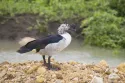
The Blue-winged Teal is a small, compact duck, measuring approximately 35 to 40 centimeters in length. The male, or drake, is particularly striking, characterized by a slate-gray head adorned with a prominent, crescent-shaped white patch in front of the eye. Its body is primarily a mottled brown color, featuring dark spots that provide excellent camouflage against marsh vegetation. The most defining feature, which gives the species its name, is the brilliant, iridescent blue patch on the forewing, which is visible both in flight and when the bird is resting. The female is generally more subdued in appearance, sporting a mottled brown plumage that allows her to blend seamlessly into nesting materials and muddy shorelines. Both sexes possess dark bills and legs. During flight, the blue wing patch contrasts sharply with the green speculum and white underwing, making them relatively easy to identify for experienced observers. Their small size and rapid, agile flight patterns further distinguish them from other common dabbling ducks found in similar environments.
Habitat
The Blue-winged Teal primarily inhabits shallow, freshwater wetlands, marshes, and prairie potholes. They show a strong preference for areas with dense emergent vegetation, such as cattails and bulrushes, which provide essential cover from predators and wind. Unlike some other duck species that prefer deep, open water, the Blue-winged Teal thrives in stagnant or slow-moving water where they can easily dabble for food at the surface. During the breeding season, they are most commonly found in the Great Plains of North America, where the landscape is dotted with small, seasonal wetlands. In winter, they migrate to coastal lagoons, estuaries, and inland marshes throughout Central and South America, demonstrating a remarkable adaptability to various tropical and temperate aquatic ecosystems.
Diet
As dabbling ducks, the Blue-winged Teal primarily feeds on the water's surface or by tipping forward to reach submerged plants. Their diet is highly opportunistic and shifts based on seasonal availability. During the spring and summer, they consume a significant amount of aquatic insects, crustaceans, and mollusks, which provide the high protein content necessary for egg production and molting. As autumn approaches, their diet shifts heavily toward seeds, grains, and aquatic vegetation, such as pondweeds, smartweeds, and sedges. This dietary flexibility allows them to sustain themselves during the long, arduous migratory journeys they undertake. By foraging in the shallow, nutrient-rich margins of wetlands, they play a vital role in the food web, helping to control insect populations and disperse aquatic plant seeds throughout their diverse migratory range.
Breeding and Nesting
The breeding season for the Blue-winged Teal typically begins in late spring, after the birds return to their northern prairie nesting grounds. Unlike many other ducks, they are known for their late nesting habits, often waiting until vegetation is lush and tall enough to provide adequate concealment. The female selects a nesting site on the ground, usually hidden within dense grasses or near the edges of wetlands. She constructs a shallow depression lined with down feathers and dried vegetation. A typical clutch consists of 8 to 12 eggs, which the female incubates alone for approximately three weeks. Once hatched, the precocial ducklings are quickly led to water by the mother, where they begin foraging for small insects. The male typically abandons the female once incubation begins, leaving her to raise the brood until they are ready to fly, which usually takes about five to seven weeks.
Behavior
The Blue-winged Teal is a highly gregarious bird, frequently seen in small to medium-sized flocks, especially during migration. They are known for their agile and rapid flight, often maneuvering in tight groups that twist and turn in unison. When feeding, they are strictly dabblers, rarely diving deep underwater. They are also known for being relatively vocal, with males producing a soft, high-pitched whistling sound, while females emit a series of quacks. Socially, they exhibit complex courtship displays, with males performing synchronized swimming and head-bobbing routines to attract mates. Their behavior is largely influenced by the availability of water and food, which dictates their movements across the landscape throughout the year.
Conservation Status - LC Least Concern
The Blue-winged Teal is currently classified as a species of Least Concern by the IUCN. While their population remains relatively stable, they are highly dependent on the preservation of wetland habitats, which are increasingly threatened by agricultural expansion, urban development, and climate change. Loss of prairie potholes in North America poses a significant risk to their breeding success. Conservation efforts, such as the protection of wetlands and the implementation of sustainable agricultural practices, are essential to ensure the long-term survival of this beautiful migratory duck species.
Interesting Facts
- Blue-winged Teals are among the longest-distance migrants of all North American ducks.
- The male's distinct white crescent on his face is a key feature for identifying the species.
- They are late nesters, often waiting until mid-summer to raise their young.
- The bright blue wing patch is actually called a 'speculum' in ornithology.
- They are highly social and are rarely seen alone outside of the breeding season.
- Their diet is roughly 75% vegetable matter and 25% animal matter throughout the year.
- They are one of the most common duck species in the prairie pothole region.
Tips for Birdwatchers
To successfully spot a Blue-winged Teal, birdwatchers should focus their efforts on shallow, vegetated wetlands during the migration peaks in spring and autumn. Because they are shy and prefer dense cover, using high-quality binoculars or a spotting scope from a concealed blind is highly recommended. Pay close attention to the wing patterns when birds take flight, as the flash of blue is the most reliable field mark. Early morning and late afternoon are the best times to observe their feeding behaviors. Since they are often found in mixed flocks with other dabbling ducks like Green-winged Teals or Northern Shovelers, take your time scanning through groups to distinguish their unique facial markings. Patience and quiet observation are key to witnessing their natural behaviors without causing disturbance.
Conclusion
The Blue-winged Teal (Spatula discors) is a remarkable example of nature's ingenuity, perfectly adapted to the dynamic wetland environments of the Western Hemisphere. From their stunning blue wing patches to their incredible migratory endurance, these ducks hold a special place in the hearts of bird enthusiasts and ecologists alike. By understanding their specific needs—ranging from the high-protein diet required during breeding to the dense grasses needed for nesting—we can better appreciate the intricate balance of the ecosystems they inhabit. Protecting these birds means protecting the wetlands that act as the kidneys of our landscape, filtering water and providing critical habitat for countless species. As environmental pressures continue to mount, the Blue-winged Teal serves as a vital indicator of habitat health. Whether you are an avid birdwatcher observing them in the wild or a conservationist working to restore their nesting grounds, the Blue-winged Teal reminds us of the interconnectedness of global ecosystems. Continued research and public awareness are essential to ensuring that these agile, beautiful birds continue to grace our wetlands for generations to come. Their presence is a testament to the resilience of migratory wildlife and the ongoing necessity of conservation action in a changing world.