Introduction
The black bittern (Ixobrychus flavicollis) is a fascinating species of Old World origin. Found across tropical regions from Pakistan and India to Australia, this elusive bird is the largest member of the Ixobrychus genus and is known for its striking appearance and secretive nature.
Physical Appearance
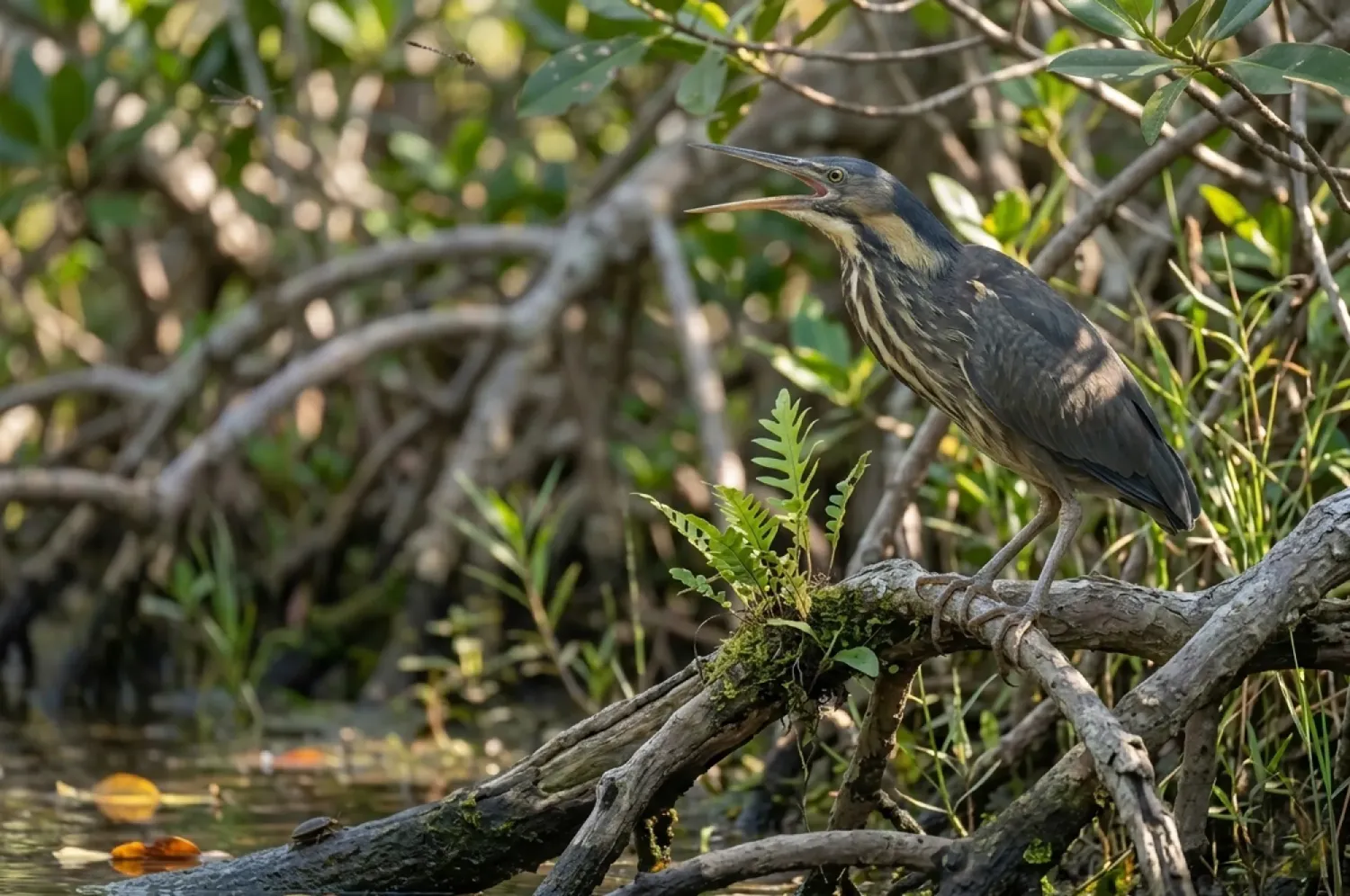
Measuring approximately 58 cm in length, the black bittern features a notably long neck and a long, sharp yellow bill. Adults display uniform black upperparts with vibrant yellow patches on the sides of the neck. Their underparts are whitish, characterized by heavy brown streaks. Juveniles resemble adults but possess dark brown plumage instead of black.
Habitat
This species thrives in dense swamps, reedbeds, and submerged bushes mixed with sedges. They are highly dependent on wetlands that provide ample cover for their skulking lifestyle. While mainly resident, some populations in northern regions are known to migrate short distances.
Diet
The black bittern is a carnivorous predator with a diet consisting primarily of:
- Insects found within aquatic vegetation.
- Small fish captured in shallow waters.
- Amphibians, such as frogs and tadpoles.
Breeding and Nesting
Breeding typically occurs in secluded reedbeds or thick vegetation near water. They construct platforms of sticks and reeds, often placed low in bushes or trees overhanging the water. This provides a safe environment for the eggs and young, protected from many terrestrial predators.
Behavior
Primarily nocturnal and crepuscular, the black bittern is most active during dawn, dusk, or on cloudy days. It is a shy bird that spends much of its time skulking in thick cover. However, it is seen flying more frequently than other bitterns, making its all-black upperparts a key identifier during flight.
Conservation Status
The black bittern is generally classified as a species of Least Concern by the IUCN. However, like many wetland-dependent species, it faces ongoing threats from habitat loss due to the drainage of swamps and the pollution of freshwater bodies.
Interesting Facts
- It is the largest species within the Ixobrychus genus by a significant margin.
- Unlike many other bittern species, it is frequently seen in flight during daylight if the weather is overcast.
- Its neck sides feature distinct yellow streaks that contrast sharply with its dark body.
- It is also known by the scientific name Dupetor flavicollis in various taxonomic records.
Tips for Birdwatchers
To spot a black bittern, consider these tips:
- Visit reedbeds and swamps during the 'golden hours' of dawn or dusk.
- Look for them on overcast or cloudy days when they are more likely to be active outside of thick cover.
- Listen for their deep, booming calls which are often heard during the breeding season.
- Scan the edges of dense vegetation where they may momentarily emerge to feed.
Conclusion
The black bittern is a remarkable wetland bird that bridges the gap between the elusive nature of typical bitterns and the visibility of larger herons. Protecting its swampy habitats is essential for ensuring this unique species continues to thrive across tropical Asia and Australia.