
Introduction
The Black-headed Ibis (Threskiornis melanocephalus), also widely known as the Oriental white ibis, Indian white ibis, and black-necked ibis, is a distinctive species of wading bird belonging to the ibis family Threskiornithidae. This fascinating bird is native to South and Southeast Asia, with its breeding grounds stretching from India in the west all the way to Japan in the east. It stands out as the only native ibis in its extensive range to boast an overall white plumage complemented by a striking black neck and head. Despite often being associated with wetlands, this adaptable species thrives across a remarkable array of natural and man-made environments.
Physical Appearance
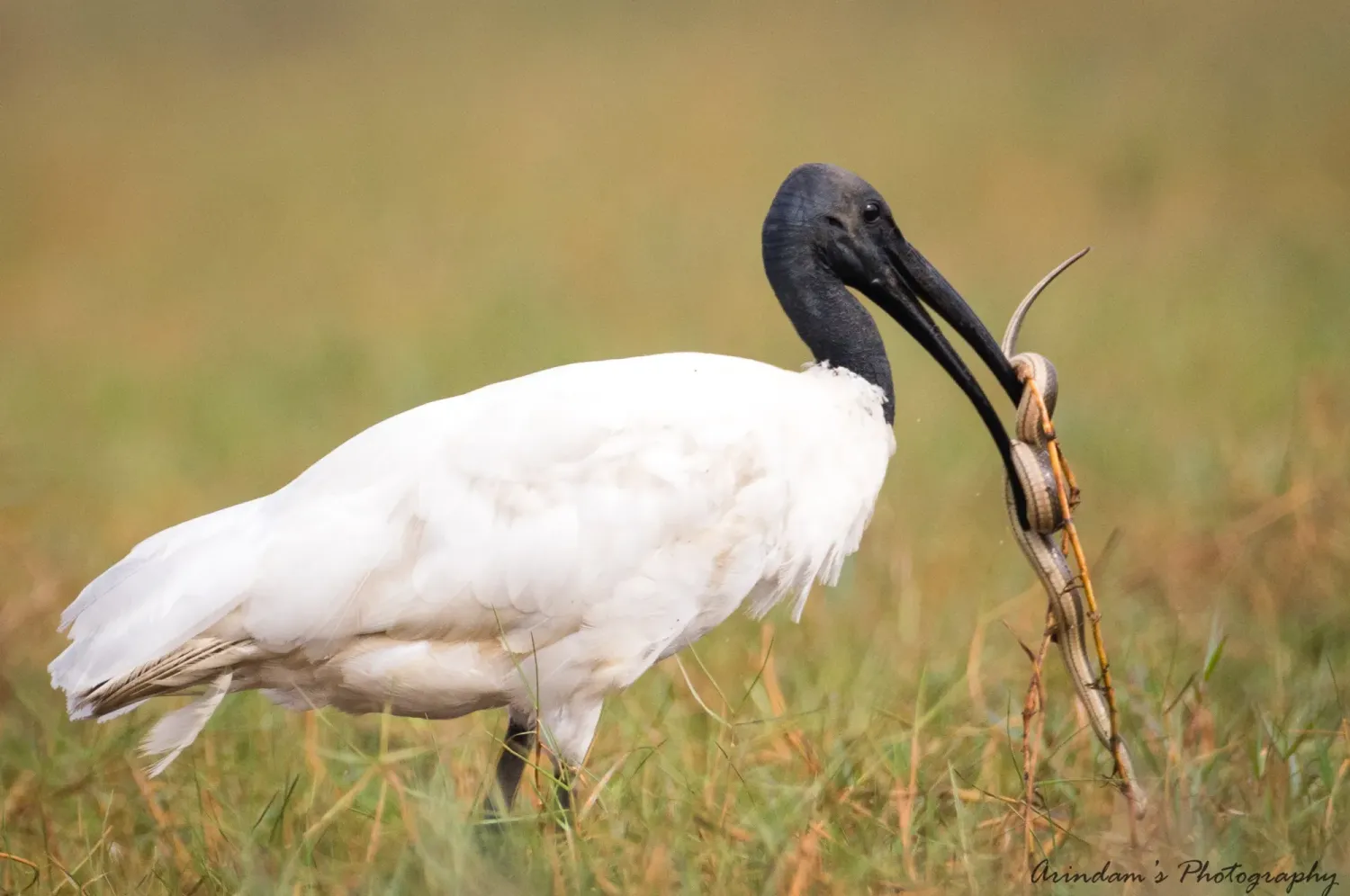
The Black-headed Ibis is a medium to large wading bird, typically measuring between 75-75 cm in length. Its most defining feature is its plumage, which is predominantly white, creating a stark contrast with its entirely black head and neck. The long, down-curved beak, perfectly adapted for foraging, is also black, as are its sturdy legs. This unique combination of white body and black extremities makes it easily identifiable within its habitat.
Habitat
Remarkably versatile, the Black-headed Ibis utilizes a vast spectrum of habitats, showcasing its incredible adaptability. These environments include:
- Natural Habitats: Freshwater and salt-water marshes, lakes, ponds, riversides, and reservoirs.
- Man-made Habitats: Rice fields, freshly ploughed crop fields, irrigation canals, urban lakes, open sewage gutters, grazing lots, and garbage dumping sites.
This wide range of acceptable locations highlights its ability to thrive even in human-altered landscapes.
Diet
The diet of the Black-headed Ibis is diverse and primarily carnivorous, consisting of a variety of small aquatic and terrestrial creatures. Its long, curved beak is perfectly suited for probing soft mud and shallow waters to find its meals. Key food items include:
- Frogs and tadpoles
- Snails
- Adults and larvae of various insects
- Worms
Breeding and Nesting
The Black-headed Ibis exhibits a specific breeding pattern, nesting exclusively during the rainy season, or monsoon, in its native range. They typically form heronry colonies, choosing locations near wetlands. The nest itself is a sturdy platform constructed from sticks, meticulously lined with softer materials such as grass and threads to create a secure environment for their eggs and chicks.
Behavior
As a wading bird, the Black-headed Ibis is primarily observed foraging in shallow waters and muddy areas, using its specialized beak to probe for food. Its presence in a wide variety of natural and man-made habitats underscores its highly adaptable foraging behavior. Though often seen in groups, particularly at roosting or nesting sites, they are generally observed methodically searching for food, often alongside other wetland birds.
Conservation Status - LC Least Concern
The Black-headed Ibis is currently classified as Near Threatened by the IUCN (International Union for Conservation of Nature). This status indicates that while it is not critically endangered, its population is experiencing a decline and faces a risk of becoming vulnerable in the near future, primarily due to habitat loss and degradation across its extensive range.
Interesting Facts
- The Black-headed Ibis is the only native ibis species in its wide South and Southeast Asian range that possesses an overall white plumage with a black neck and head.
- It is known by several common names, including Oriental white ibis, Indian white ibis, and black-necked ibis.
- Despite its association with wetlands, this species demonstrates incredible adaptability, foraging in a vast array of both natural and human-modified environments.
- Measuring up to 75 cm, it is a relatively large wading bird, making it quite noticeable in its habitat.
- Breeding and nesting for the Black-headed Ibis occur exclusively during the rainy season, a crucial period for successful reproduction.
- They build platform nests of sticks, often reusing nesting sites in heronry colonies near wetlands.
- Its diet showcases its opportunistic feeding habits, ranging from amphibians and mollusks to a variety of insects and worms.
Tips for Birdwatchers
For birdwatchers hoping to spot the majestic Black-headed Ibis, here are some helpful tips:
- Location: Focus your efforts around freshwater and saltwater marshes, rice fields, irrigation canals, and even urban lakes across South and Southeast Asia. Their adaptability means they can appear in unexpected places, including sewage gutters or garbage sites.
- Timing: While they can be seen year-round, the monsoon season is particularly interesting as it marks their breeding period, making it possible to observe nesting colonies.
- Identification: Look for a large, mostly white bird with a distinct black head, neck, and down-curved beak. Their size and contrasting colors make them relatively easy to identify.
- Behavior: Observe them wading in shallow waters or probing soft ground with their long beaks. They often forage in groups, making them easier to spot.
Conclusion
The Black-headed Ibis stands as a testament to nature's adaptability, thriving across a diverse tapestry of landscapes from pristine wetlands to urban fringes. Its striking white and black appearance, coupled with its versatile feeding habits and unique breeding cycle, makes it a truly captivating species. As an indicator of wetland health and a common sight across its Asian range, understanding and protecting this remarkable bird is crucial for maintaining the ecological balance of its varied habitats.
