
Introduction
The Dark-fronted Babbler (Dumetia atriceps) is an intriguing and elusive member of the Timaliidae family, commonly known as babblers. These small, social perching birds are predominantly found in the lush landscapes of the Indian subcontinent, particularly within the southern regions. Known for their distinct vocalizations and active foraging habits, they play a vital role in the ecosystem by controlling insect populations. Despite their charming appearance, they are often difficult to spot due to their preference for dense undergrowth and their tendency to remain hidden within the foliage. The species name, atriceps, refers to the characteristic black coloration on the forehead, which serves as a key identifier for birders. As ground-dwelling insectivores, they are constantly on the move, making them a fascinating subject for ornithological study. Understanding the life cycle and behavioral patterns of the Dark-fronted Babbler provides valuable insights into the biodiversity of the tropical habitats they inhabit, highlighting the importance of preserving these delicate environmental niches for future generations.
Physical Appearance
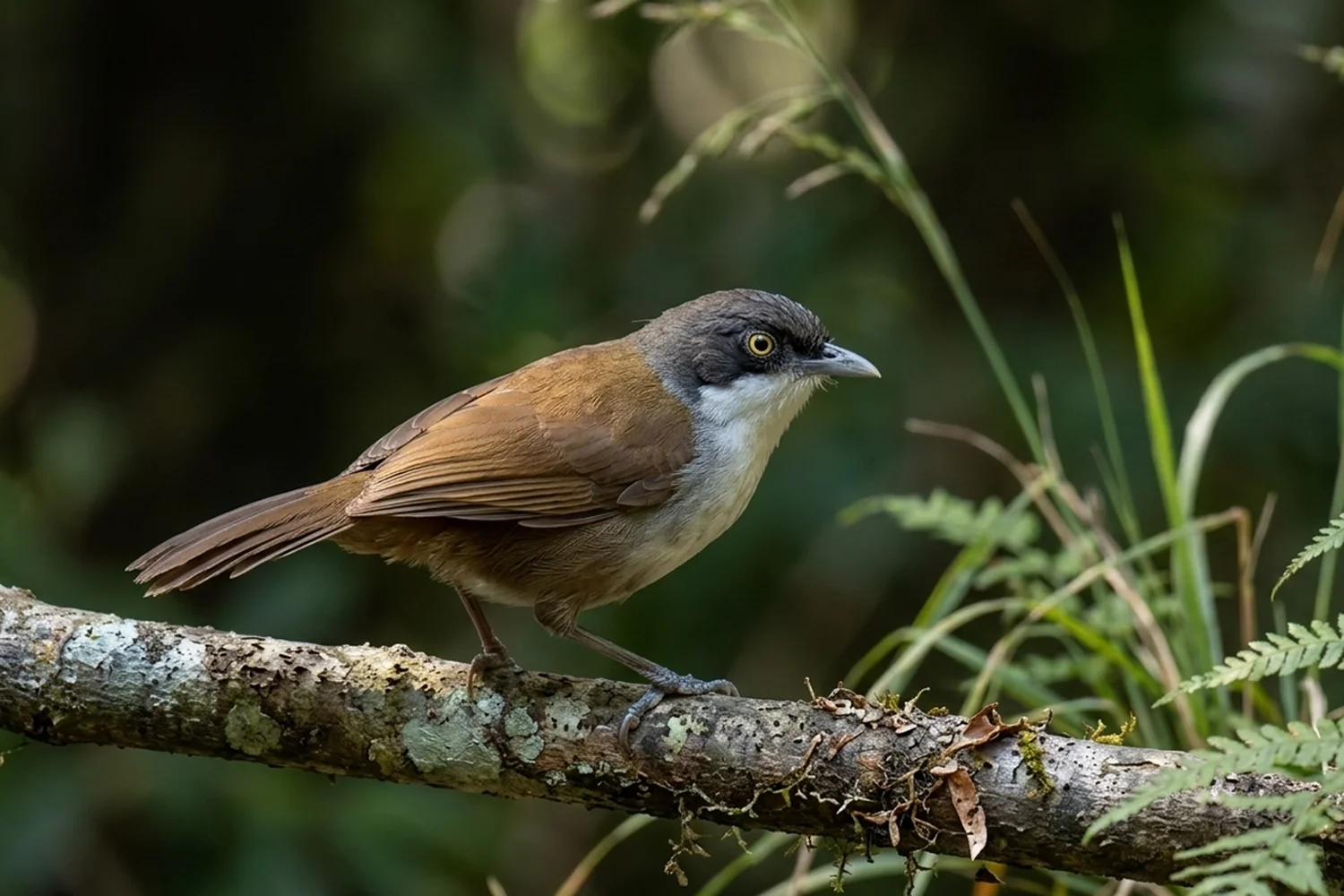
Measuring a modest 12 to 13 centimeters in length, the Dark-fronted Babbler is a small, compact bird characterized by its agile frame. Its primary plumage is a warm, earthy brown, which provides excellent camouflage against the forest floor and shrubbery where it spends most of its time. The most defining feature, which distinguishes it from other babbler species, is the striking black coloration on its forehead and face, giving it a masked appearance that is both distinctive and elegant. The underparts are typically a lighter, buff-brown color, creating a subtle contrast with the darker, richer tones of the back and wings. Its bill is short and sharp, perfectly adapted for probing into leaf litter and crevices to find hidden prey. The eyes are often a bright, intelligent shade that stands out against the dark facial markings. The tail is relatively short and rounded, typical of many perching birds that navigate dense thickets. This overall color palette of brown and black is a masterful adaptation, allowing the bird to blend seamlessly into its natural environment, effectively shielding it from predators while it forages for sustenance.
Habitat
The Dark-fronted Babbler is primarily found in the southern parts of India, showing a strong preference for dense, moist deciduous forests and bamboo thickets. They are rarely found in open areas, as they depend heavily on the cover provided by thick undergrowth and tangled shrubbery to feel secure. These birds thrive in areas with high rainfall and thick ground vegetation, which provides both protection and a rich supply of insects. They are frequently observed in the Western Ghats and surrounding hilly terrains. The presence of leaf litter is essential for their survival, as it serves as a primary foraging ground where they search for food. Maintaining these specific habitat types is crucial for their long-term survival, as they are highly sensitive to habitat fragmentation and the loss of dense forest cover.
Diet
As an active insectivore, the Dark-fronted Babbler consumes a wide variety of small invertebrates. Their diet consists mainly of ants, beetles, spiders, small caterpillars, and other larvae found within the leaf litter. Occasionally, they may supplement their insect-based diet with small berries or nectar from forest flowers, though this is secondary to their primary hunting behavior. They are highly systematic in their foraging, often moving in small, coordinated groups through the undergrowth, turning over leaves and probing soil to uncover hidden prey. This constant searching behavior makes them efficient hunters in their specific ecological niche. Their ability to extract insects from tight spaces using their specialized bills is a testament to their evolutionary adaptation to a ground-dwelling lifestyle in dense forests.
Breeding and Nesting
The breeding season of the Dark-fronted Babbler generally coincides with the arrival of the monsoon rains, which bring an abundance of food for the chicks. They are known for constructing intricate, dome-shaped nests hidden deep within low-hanging bushes or dense grass clumps, often just a few feet off the ground. The nest is typically crafted from dried grasses, rootlets, and fibers, lined with softer materials to provide comfort for the eggs. A typical clutch consists of two to four eggs, which are often white with reddish-brown speckles. Both parents participate in the incubation process and the feeding of the young, showcasing strong cooperative behavior. The chicks are altricial, meaning they are born blind and helpless, requiring constant care and protection from both parents until they fledge. This period of intense parental investment ensures the survival of the species in a competitive forest environment.
Behavior
The Dark-fronted Babbler is a highly social bird, typically found in small parties known as a 'flock' or 'babble.' They are rarely seen alone and maintain constant vocal contact with one another through soft, chattering calls. These vocalizations are essential for keeping the group together while they forage in dense vegetation. They are known for their inquisitive nature and can sometimes be approached if one remains perfectly still. Their movement is erratic and quick, characterized by short hops and flits between branches and ground cover. When threatened, they often dive deeper into the undergrowth, making them incredibly difficult to track. Their social structure is stable, with members often helping one another find food and warn of potential predators lurking nearby.
Conservation Status - LC Least Concern
The Dark-fronted Babbler is currently classified as 'Least Concern' by the IUCN, as it maintains a relatively stable population within its specific range. However, this does not mean they are immune to environmental pressures. The primary threat to this species is the ongoing destruction and degradation of the moist deciduous forests and bamboo thickets they call home. As human development expands into these forested areas, the available habitat for these birds shrinks. Conservation efforts focusing on the protection of the Western Ghats and the preservation of native forest undergrowth are essential to ensuring that these unique birds continue to thrive in their natural environment for future generations to observe.
Interesting Facts
- The Dark-fronted Babbler is famously known for its 'masked' black forehead.
- They are highly social birds that almost always forage in small, vocal groups.
- Their nests are expertly hidden in low, dense vegetation to evade predators.
- They play a crucial role in pest control by eating vast amounts of forest insects.
- These birds are notoriously difficult to photograph due to their love for dark, thick cover.
- They are endemic to the Indian subcontinent, specifically the southern peninsula.
- Their vocalizations consist of a series of soft, rapid chirps and chatter.
Tips for Birdwatchers
For birdwatchers hoping to spot the Dark-fronted Babbler, patience is your most valuable tool. Because they prefer dense, dark undergrowth, you are unlikely to find them in open canopy areas. Focus your efforts on the edges of moist deciduous forests or bamboo groves during the early morning hours when they are most active. Listen carefully for their soft, chattering calls, which often give away their location before you see them. Avoid sudden movements, as these birds are naturally skittish and will disappear into the foliage at the slightest disturbance. Using a high-quality pair of binoculars and remaining perfectly still in a concealed spot will significantly increase your chances of capturing a glimpse of their distinct black-fronted markings.
Conclusion
In conclusion, the Dark-fronted Babbler (Dumetia atriceps) represents the hidden beauty of the Indian undergrowth. While they may not be as colorful or famous as some of the larger avian species, their role as insectivores and their complex social structure make them an essential part of the forest ecosystem. From their unique black-crowned appearance to their cooperative breeding habits, these birds offer a wealth of knowledge for both amateur birdwatchers and professional ornithologists. As we continue to study and appreciate these small perching birds, we are reminded of the delicate balance within our natural world. Protecting their habitat is not just about saving a single species; it is about preserving the intricate web of life that these birds help sustain. Whether you are an experienced birder or a nature enthusiast, taking the time to observe the Dark-fronted Babbler is a rewarding experience that highlights the incredible diversity of life found in the dense, shaded corners of our planet. May we continue to respect and protect these elusive, charming inhabitants of the forest for many years to come.