
Introduction
The Rock Bunting (Emberiza cia) is a fascinating member of the Emberizidae family, widely recognized by bird enthusiasts for its preference for rugged, mountainous landscapes. As a medium-sized perching bird, it is primarily found across parts of Europe, Northwest Africa, and Asia. Unlike some of its lowland relatives, the Rock Bunting has adapted to survive in harsh, rocky terrains where it navigates steep slopes and sparse vegetation with remarkable agility. This species is often celebrated for its distinct plumage and melodic, albeit simple, song that echoes through the valleys of the Mediterranean and beyond. For ornithologists and casual birdwatchers alike, the Rock Bunting represents the resilient spirit of high-altitude avian life. Understanding this bird requires a look into its unique ecological niche, as it thrives in environments that many other species avoid. Throughout this guide, we will explore the intricate details of the Rock Bunting, from its specific physical characteristics to the complex behaviors that allow it to flourish in its challenging natural habitat.
Physical Appearance
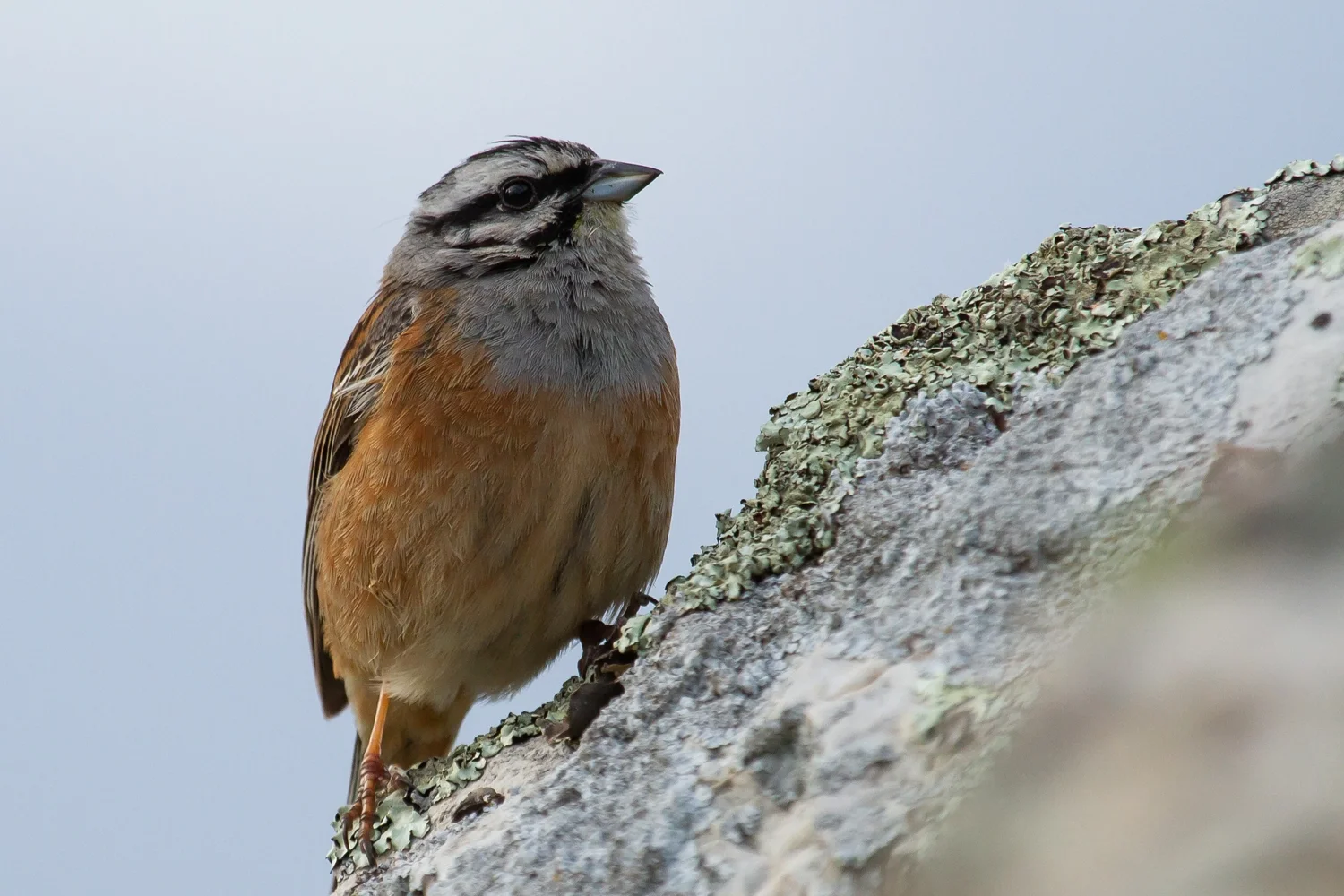
The Rock Bunting is a striking bird, measuring approximately 15 to 17 centimeters in length. Its appearance is defined by a sophisticated color palette that helps it blend into the rocky landscapes it calls home. The primary color is a rich, warm brown, which is often streaked with darker tones across the back and wings, providing excellent camouflage against earth and stone. The secondary color is a soft, slate grey, most prominently featured on the head and neck. A key diagnostic feature of the Emberiza cia is the bold, black stripes that run across its grey crown and through its eyes, creating a sharp, mask-like appearance that distinguishes it from other buntings. The underparts typically transition into a lighter, buff-brown hue. Males and females share a similar overall aesthetic, though males often display more vibrant and defined head markings during the breeding season. The bill is strong, conical, and greyish-pink, perfectly adapted for cracking seeds, while its legs are sturdy, supporting its perching lifestyle on uneven stone surfaces and shrubbery.
Habitat
The Rock Bunting is a classic inhabitant of mountainous regions and rocky slopes. It shows a strong preference for open, sun-drenched environments characterized by scattered trees, bushes, and ample rocky outcrops. You will frequently find them in Mediterranean scrublands, dry mountain valleys, and alpine meadows where the vegetation is sparse. They typically occupy altitudes ranging from sea level up to 2,000 meters, depending on the local climate and latitude. These birds require areas with significant rock cover, which they use for both nesting and as elevated vantage points to survey their surroundings. This specialized habitat choice makes them a localized species, often found in stable populations within the craggy landscapes of Southern Europe and the Middle East.
Diet
The diet of the Rock Bunting is primarily granivorous, meaning it relies heavily on a variety of seeds. During the spring and summer months, however, its diet becomes more diverse as it incorporates insects and small invertebrates into its meals. This protein boost is particularly crucial during the breeding season, providing the necessary nutrients for the growth of their nestlings. They are often seen foraging on the ground, hopping between stones and low-lying shrubs to pick up fallen seeds or catch small insects. Their robust, conical beak is an evolutionary adaptation that allows them to efficiently process tough seeds, ensuring they can sustain themselves even when food sources are limited in their arid, rocky environments.
Breeding and Nesting
Breeding for the Rock Bunting typically occurs between April and July. They are known for building their nests in well-concealed locations, often tucked directly into rocky crevices, small caves, or dense, low-growing bushes on steep slopes. The female is the primary architect, constructing a cup-shaped nest using dry grasses, roots, and fine twigs, eventually lining it with soft animal hair or finer plant fibers for insulation. A typical clutch consists of three to five eggs, which are pale with distinct dark markings. Incubation lasts approximately two weeks, and both parents share the responsibility of feeding the chicks. This nesting strategy provides excellent protection from predators, which is vital given the exposed nature of their mountainous home. Once the young fledge, they remain dependent on the parents for a short period before venturing out on their own.
Behavior
The Rock Bunting is generally a shy and elusive bird, often observed alone or in pairs rather than in large flocks. Despite their timid nature, they are quite territorial, especially during the breeding season, when males will sing from prominent rocks or tree tops to declare their territory. Their song is a series of clear, rhythmic notes that can be heard across the quiet mountain valleys. Outside of the breeding season, they may join small, loose groups, especially when foraging in favorable areas. They are agile movers, capable of traversing uneven, rocky terrain with ease, and they typically remain close to cover to avoid avian predators such as falcons or hawks.
Conservation Status - LC Least Concern
Currently, the Rock Bunting is classified as a species of Least Concern by the IUCN. While their populations are generally stable, they are sensitive to habitat degradation, particularly the loss of traditional agricultural landscapes and the encroachment of dense forest into their preferred open, rocky habitats. Climate change also poses a potential long-term threat by altering the vegetation patterns in their high-altitude homes. Conservation efforts focus on maintaining the mosaic of scrub and open rock that these birds rely on for survival, ensuring that their unique ecological niche remains protected for future generations of birdwatchers to enjoy.
Interesting Facts
- The Rock Bunting is known for its distinct 'mask' pattern on its face, which helps identify it from other bunting species.
- They are highly adapted to vertical landscapes, often nesting in cliffs where predators cannot easily reach them.
- The male's song is often described as a clear, descending trill that is perfectly suited for echoing through rocky canyons.
- Unlike many migratory birds, some populations of Rock Buntings are sedentary, staying in their mountain homes year-round.
- They have a unique way of foraging by flicking stones with their beaks to reach insects hiding underneath.
- The scientific name Emberiza cia refers to the specific call the bird makes, which sounds like 'cia' or 'tsee-a'.
Tips for Birdwatchers
To successfully spot a Rock Bunting, patience and the right location are key. Focus your efforts on mountainous regions with open, rocky slopes or Mediterranean scrublands during the spring. Early morning is the best time for observation, as the males are most active and likely to be singing from exposed perches. Use high-quality binoculars or a spotting scope to scan the tops of boulders and low shrubs. Since they are shy, try to remain still and blend into the environment to avoid startling them. Listening for their distinct, rhythmic song is often the easiest way to locate them before you see their brownish-grey plumage against the stone backdrop.
Conclusion
The Rock Bunting (Emberiza cia) stands as a testament to nature's ability to adapt to some of the most rugged environments on Earth. From its perfectly camouflaged plumage to its specialized nesting habits in the crevices of rocky cliffs, every aspect of this bird is fine-tuned for survival in high-altitude, open terrains. As we have explored, their role in the ecosystem as both consumers of seeds and insects and as a part of the mountain food chain is significant. For birdwatchers, the challenge of locating this elusive species adds to the reward of seeing it in its natural glory. By respecting their habitat and supporting conservation efforts that preserve their mountain homes, we ensure that the song of the Rock Bunting continues to ring out across the valleys. Whether you are a seasoned ornithologist or a beginner enthusiast, the Rock Bunting offers a wonderful opportunity to appreciate the diversity of the avian world and the resilient beauty of birds that thrive in the harshest conditions. Keep your eyes on the rocks, listen for that signature call, and enjoy the quiet majesty of this remarkable perching bird during your next outdoor adventure.