
Introduction
The South Polar Skua (Catharacta maccormicki) is a formidable and fascinating seabird that dominates the harsh environments of the Antarctic region. Known for its aggressive nature and predatory behavior, this species is a true survivor, well-adapted to life in some of the most extreme weather conditions on the planet. As members of the Stercorariidae family, these birds are often described as the 'pirates' of the Southern Ocean, frequently stealing food from other seabirds, including penguins and gulls. Their presence is a hallmark of the Antarctic ecosystem, where they play a critical role as both scavengers and active hunters. Despite their intimidating reputation, the South Polar Skua is a highly intelligent and resilient creature that has evolved complex survival strategies. Understanding the biology and behavior of this remarkable bird provides profound insights into the ecological dynamics of the polar regions and the intricate web of life that sustains these desolate yet beautiful landscapes.
Physical Appearance
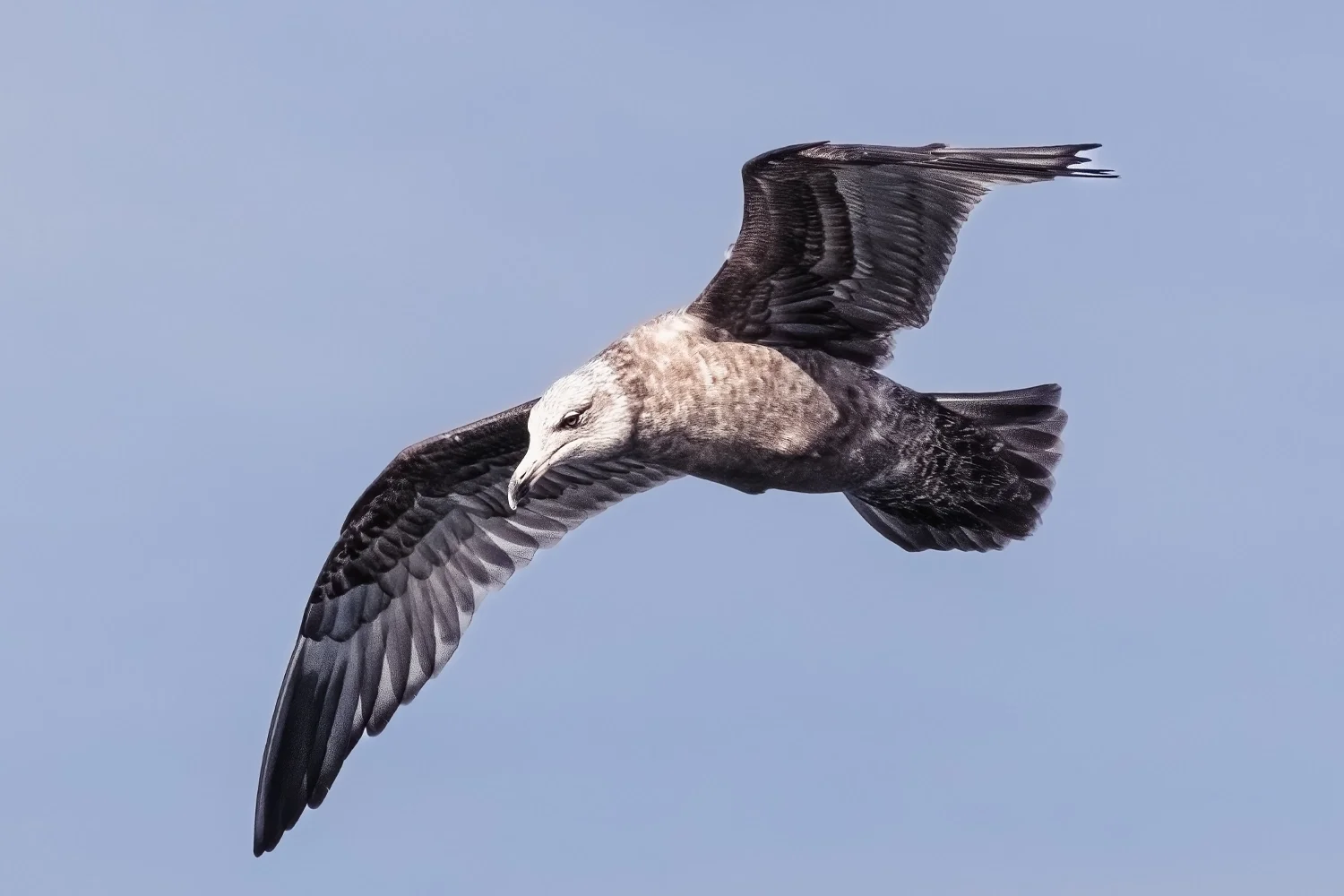
The South Polar Skua is a robust, large-bodied seabird, typically measuring between 50 to 55 cm in length. Their appearance is defined by a powerful, hooked bill, which is perfectly adapted for tearing flesh and scavenging. The primary coloration of the South Polar Skua is a deep, rich brown, which often fades to a lighter, grayish-brown hue as the feathers wear down throughout the season. Some individuals exhibit a paler, almost straw-colored neck and head, providing a striking contrast to their darker bodies. Their wings are long and broad, featuring distinct white patches at the base of the primary feathers, which are most visible during flight. These birds possess strong, webbed feet equipped with sharp, curved claws, essential for both maneuvering in the water and defending their nests on land. The overall build of the bird is muscular and dense, giving it the necessary strength to endure high-velocity winds and cold temperatures while maintaining agility during aerial pursuits.
Habitat
The South Polar Skua is almost exclusively found in the Antarctic and sub-Antarctic regions. They are true masters of the polar environment, nesting primarily on rocky, ice-free coastal areas of the Antarctic continent and surrounding islands. During the breeding season, they favor proximity to large seabird colonies, particularly those of Adélie and Emperor penguins, which serve as their primary food source. Outside of the breeding season, these birds are highly migratory, venturing far into the Pacific, Atlantic, and Indian Oceans. They are pelagic wanderers, spending the vast majority of their lives at sea, navigating the vast, icy waters of the Southern Hemisphere with ease and endurance.
Diet
As opportunistic predators and scavengers, the South Polar Skua possesses a varied and wide-ranging diet. They are notorious for their kleptoparasitic behavior, frequently harassing other birds until they drop or regurgitate their catch, which the skua then expertly snatches mid-air or from the water. Their primary natural prey includes fish, krill, and squid; however, they are also significant predators of penguin eggs and chicks. They are known to patrol nesting colonies relentlessly, waiting for any opportunity to seize an unguarded meal. Furthermore, they readily scavenge on carrion, including the remains of seals and whales, playing a vital role in cleaning up organic matter within their harsh ecosystem.
Breeding and Nesting
Breeding for the South Polar Skua typically occurs during the short Antarctic summer. They are fiercely territorial, establishing nests on open, rocky ground or gravelly surfaces near penguin rookeries. The nest is usually a simple scrape in the ground, sometimes lined with a few pebbles or bits of dried moss. A typical clutch consists of one to two olive-brown, spotted eggs, which are incubated by both parents over several weeks. Once the chicks hatch, the parents are incredibly protective, aggressively diving at any intruder—including humans—that dares to approach the nest. The chicks grow rapidly, fed a high-protein diet of regurgitated fish and carrion, until they are ready to fledge. This intense period of parental care ensures the survival of the next generation in an environment where resources are scarce and competition is extremely high.
Behavior
The behavior of the South Polar Skua is characterized by extreme aggression and intelligence. They are highly social yet competitive, often engaging in complex interactions with other skuas and competing species. Their aerial maneuvers are precise and powerful, allowing them to dominate the skies and maintain control over their territory. During the breeding season, they exhibit remarkable boldness, displaying no fear when defending their nests from much larger threats. Outside of the breeding season, they remain solitary or exist in small, loose groups while at sea. Their ability to switch between being a skilled fisher, a relentless thief, and a scavenger highlights their behavioral flexibility, which is essential for surviving in the unpredictable Antarctic climate.
Conservation Status - LC Least Concern
The South Polar Skua is currently listed as a species of Least Concern by the IUCN. Their population is considered stable, largely because their primary habitat in the Antarctic remains relatively isolated and undisturbed by human industrial activity. However, they are not immune to the threats of climate change. Shifts in ocean temperatures can affect the distribution of their prey, such as krill and fish, which could have long-term impacts on their reproductive success. Continued monitoring is essential to ensure that these iconic polar birds remain a thriving part of the Antarctic wilderness for future generations.
Interesting Facts
- They are known as the 'pirates' of the Antarctic for their habit of stealing food from other birds.
- They have been recorded flying as far north as the Arctic during their non-breeding migration.
- Their sharp, hooked bills are specifically evolved for tearing into the tough hides of carrion.
- They are incredibly brave and will dive-bomb researchers or predators that get too close to their nests.
- They can drink seawater, thanks to special glands that filter out the excess salt.
- Some South Polar Skuas are known to live for over 30 years in the wild.
- They are one of the few bird species that can successfully hunt and kill penguin chicks.
Tips for Birdwatchers
For birdwatchers hoping to spot a South Polar Skua, preparation is key. Because they are primarily found in remote polar regions, an expedition to Antarctica or the sub-Antarctic islands is usually required. When observing them, always maintain a respectful distance, especially during the breeding season when they are highly protective of their nests. Bring high-quality binoculars or a camera with a long telephoto lens, as you will want to capture their impressive aerial displays from a safe distance. Pay close attention to penguin rookeries, as these areas act as magnets for skuas looking for a meal. Lastly, be prepared for unpredictable weather; dress in layers and ensure your gear is protected against the cold and moisture, as these birds thrive in conditions that can be quite challenging for human observers.
Conclusion
In conclusion, the South Polar Skua (Catharacta maccormicki) is a master of the Antarctic, a bird defined by its strength, intelligence, and remarkable adaptability. From its aggressive predatory tactics to its impressive long-distance migrations across the world's oceans, this species embodies the spirit of survival in the face of extreme adversity. While they are often viewed as formidable pests by other birds, their role in the ecosystem is vital, keeping populations in check and efficiently utilizing scarce resources. For the dedicated birdwatcher, encountering a South Polar Skua in its natural, frozen habitat is a thrilling experience that offers a glimpse into the raw power of nature. As we continue to study and protect the fragile environments of the Southern Hemisphere, the South Polar Skua serves as a poignant reminder of the interconnectedness of life on our planet. By respecting their territory and supporting conservation efforts that protect the Antarctic ecosystem, we can ensure that these magnificent 'pirates' continue to soar over the icy waters for years to come. Whether seen from a research vessel or a rugged shore, the South Polar Skua remains an unforgettable icon of the polar wild.
