
Introduction
The Yellow-vented Warbler, scientifically known as Phylloscopus cantator, is a fascinating species of perching bird that captures the attention of ornithologists and bird enthusiasts alike. Belonging to the leaf warbler family, this small yet vibrant bird is primarily recognized for its distinct coloration and melodious presence in its native range. As a member of the Phylloscopidae family, it shares the typical characteristics of its genus, including agile movements and a preference for dense foliage. Understanding this species requires a look into its specific environmental needs and its role within the ecosystem. The bird is widely celebrated for its ability to thrive in complex forest structures, where it plays a vital role in insect control. Throughout this guide, we will explore the intricate details of the Yellow-vented Warbler, from its physical traits to the conservation challenges it faces today. By studying this bird, researchers gain valuable insights into avian migration patterns and the health of Asian forest ecosystems, making it a subject of significant scientific interest.
Physical Appearance
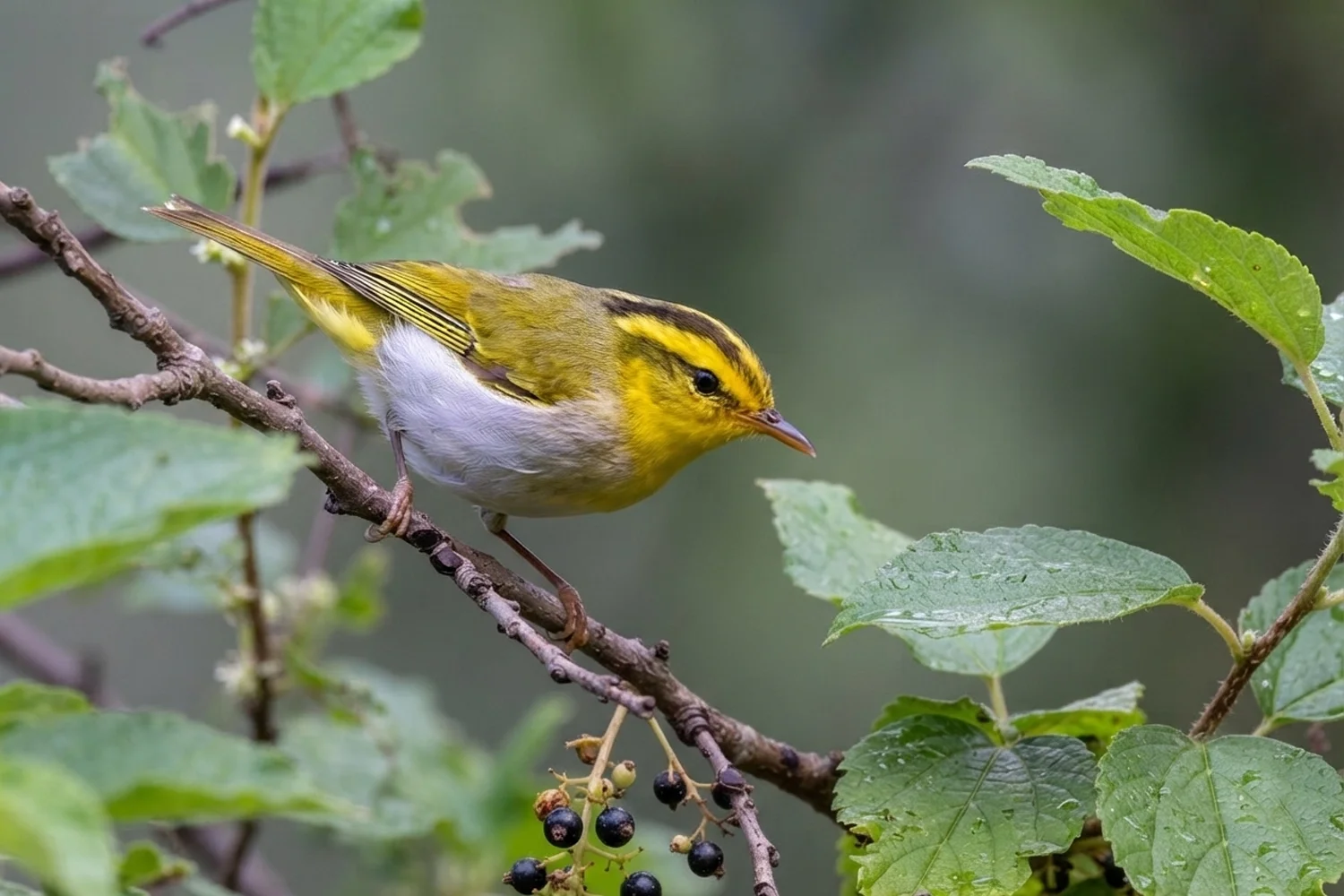
Measuring approximately 10 to 11 centimeters in length, the Yellow-vented Warbler is a small, compact bird characterized by its striking appearance. Its plumage is dominated by a vibrant olive-green color on the upperparts, which provides excellent camouflage within the leafy canopy. This primary color is beautifully complemented by a bright yellow vent and underparts, a feature that gives the bird its common name. The facial markings are equally distinct, often featuring a pale supercilium that contrasts with a darker eye stripe, giving the bird a sharp, alert expression. Its beak is thin and pointed, perfectly adapted for gleaning small insects from leaves and twigs. The wings are relatively short and rounded, typical of birds that navigate dense forest environments. Throughout the year, both males and females exhibit similar coloration, though subtle differences may be noted during the breeding season. The legs are slender and often a pale, fleshy color, allowing the bird to perch securely on thin branches while foraging for its next meal.
Habitat
The Yellow-vented Warbler is primarily found in the temperate and subtropical regions of Asia, spanning across the Himalayas and into parts of Southeast Asia. Its preferred habitat consists of broad-leaved evergreen forests, damp mountain slopes, and thickets near water sources. These birds demonstrate a strong preference for high-altitude forest canopies where they can forage undisturbed. They are particularly fond of areas with abundant moss and lichen, which provide both nesting materials and a rich source of food for the insects they consume. During the winter months, some populations may migrate to lower elevations to escape the harsh conditions of high-altitude winters, showing a remarkable adaptability to changing environmental climates.
Diet
As an insectivorous species, the Yellow-vented Warbler maintains a diet consisting almost exclusively of small invertebrates. Its hunting technique involves acrobatic movements, as it flits from branch to branch to catch spiders, aphids, caterpillars, and tiny beetles hidden beneath leaves. This feeding behavior is crucial for the forest ecosystem, as it helps regulate the population of herbivorous insects that could otherwise damage forest vegetation. The bird uses its sharp, slender bill to probe crevices in tree bark and the undersides of foliage with incredible precision. Occasionally, they may also consume small berries or nectar, though these are considered secondary food sources in their diet.
Breeding and Nesting
The breeding season for the Yellow-vented Warbler typically occurs during the spring and early summer months. During this time, males become highly territorial and perform complex songs to attract mates and defend their nesting sites. The nest is a masterpiece of avian engineering, typically dome-shaped with a side entrance, constructed from fine grasses, moss, rootlets, and spider silk to bind the structure together. These nests are usually well-hidden in dense shrubs or low tree branches to protect the eggs from potential predators. A typical clutch consists of three to five white eggs, which are incubated primarily by the female. Both parents participate in the feeding of the hatchlings, working tirelessly to provide a steady supply of protein-rich insects until the young are ready to fledge.
Behavior
The Yellow-vented Warbler is known for its high energy and restless behavior. It is rarely seen sitting still for long periods, preferring to keep moving through the canopy in search of food. This constant activity makes them a delight to observe but a challenge to photograph. They are generally solitary or found in pairs, though they may join mixed-species foraging flocks during the winter months. Their song is a series of sweet, high-pitched notes that carry well through the forest air, often serving as the primary way to locate them in the dense foliage. Despite their small size, they are surprisingly bold when defending their territory from other small birds.
Conservation Status - LC Least Concern
Currently, the Yellow-vented Warbler is classified as a species of Least Concern by major conservation organizations. However, like many forest-dwelling birds, it faces ongoing threats from habitat loss and fragmentation due to deforestation and agricultural expansion. Climate change also poses a potential risk, as it alters the availability of food sources and the timing of seasonal events. Protecting the integrity of their forest habitats is essential for the long-term survival of this species. Continued monitoring of population trends and the preservation of large, contiguous forest tracts remain the most effective strategies for ensuring their continued presence in the wild.
Interesting Facts
- The Yellow-vented Warbler is known for its distinct, high-pitched, and rhythmic song.
- They are master camouflagers, perfectly blending into the olive-green leaves of their canopy home.
- These birds are exclusively insectivorous, playing a key role in natural pest control.
- They build intricate, dome-shaped nests using spider webs as a natural adhesive.
- Despite their small size, they are capable of traversing significant distances during seasonal migrations.
- They are often found in mixed-species flocks, which provides safety in numbers while foraging.
- Their scientific name, cantator, translates to 'singer,' a testament to their beautiful vocalizations.
Tips for Birdwatchers
For birdwatchers hoping to spot the Yellow-vented Warbler, patience and a keen ear are your best tools. Since they are small and prefer the upper canopy, it is highly recommended to use high-quality binoculars or a spotting scope to observe their movements without disturbing them. Early morning is the best time to hear their song and watch them foraging. Look for areas with dense, mossy foliage in mountain forests, as these are their preferred hotspots. Familiarizing yourself with their specific song patterns beforehand will significantly increase your chances of identification. Remember to practice ethical birdwatching by keeping a respectful distance and avoiding the use of playback calls during the sensitive nesting season.
Conclusion
In conclusion, the Yellow-vented Warbler (Phylloscopus cantator) serves as a wonderful example of the diversity and beauty of the avian world. From its vibrant olive-green and yellow plumage to its diligent role as an insect-controller in the forest canopy, this bird is an essential component of its ecosystem. By understanding its specific habitat requirements, dietary habits, and breeding behaviors, we can better appreciate the complexities of nature and the importance of conservation. Whether you are a seasoned ornithologist or a casual birdwatcher, observing this species in its natural environment offers a rewarding glimpse into the lives of one of Asia's most charming warblers. As environmental pressures continue to grow, the responsibility falls upon us to advocate for the protection of the forests they call home. Through education, habitat preservation, and respectful observation, we can ensure that future generations will also have the opportunity to hear the sweet, melodic songs of the Yellow-vented Warbler echoing through the mountain slopes. This small bird reminds us that even the smallest creatures have a significant impact on the health and vitality of our planet's forests.
