Introduction
The Chestnut-winged Cinclodes (Cinclodes albidiventris) is a fascinating member of the Furnariidae family, often overshadowed by its more colorful counterparts but highly significant in the high-altitude ecosystems of the Andes. Primarily found in the rugged, mountainous terrain of South America, this perching bird has evolved specialized traits to survive in harsh, thin-aired environments. Known for its distinct plumage and energetic demeanor, the Chestnut-winged Cinclodes is a subject of great interest for ornithologists and birdwatchers alike. Its presence is often a hallmark of healthy, high-elevation ecosystems where it plays a subtle yet vital role in the local food web. As an adaptable species, it occupies a range of habitats from rocky streamsides to grassy paramo regions. This comprehensive guide delves into the biology, behavior, and conservation needs of this remarkable avian species, providing a deeper understanding of what makes this bird a true survivor of the high Andes.
Physical Appearance
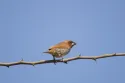
Measuring approximately 18 to 20 cm in length, the Chestnut-winged Cinclodes is a medium-sized passerine characterized by its earth-toned camouflage, which is essential for survival in its rocky mountain home. The bird features a dominant brown coloration across its upperparts, providing excellent concealment against the craggy terrain and soil. The most striking feature, as its name suggests, is the vivid chestnut patch on its wings, which becomes particularly noticeable during flight or when the bird is displaying. Its underparts typically exhibit a lighter, whitish to grayish-brown tone, creating a subtle contrast. The bird possesses a relatively strong, slightly decurved bill, perfectly adapted for probing into crevices and soft soil to extract invertebrates. Its legs are robust, allowing it to navigate uneven rocky surfaces with agility. The overall build is compact and sturdy, reflecting its life in high-energy, windy environments where streamlined aerodynamics are less critical than resilience and stability.
Habitat
The Chestnut-winged Cinclodes is a quintessential high-altitude bird, predominantly inhabiting the Andean regions of South America. It thrives in environments ranging from the high-altitude paramo and puna grasslands to rocky slopes near glacial streams and bogs. These birds are rarely found at lower elevations, preferring the cool, often misty conditions found above the tree line. Their habitat is characterized by sparse vegetation, rocky outcrops, and high exposure to the elements. By choosing such extreme environments, the Cinclodes minimizes competition with other species, finding niche resources in areas where few other perching birds can effectively forage or nest throughout the year.
Diet
As an insectivore, the diet of the Chestnut-winged Cinclodes consists primarily of a variety of small invertebrates. They are highly skilled foragers, frequently seen walking or hopping along the edges of mountain streams, rocky banks, and boggy areas. Using their specialized, slightly curved bills, they probe deep into mud, moss, and under stones to uncover larvae, beetles, spiders, and small aquatic insects. Their foraging behavior is methodical and energetic; they rarely remain still for long, constantly searching for the next meal. This reliance on moisture-dependent invertebrates explains their strong affinity for riparian zones and wetlands, even at very high altitudes.
Breeding and Nesting
The breeding season for the Chestnut-winged Cinclodes is typically dictated by the availability of food and environmental conditions in the high Andes. These birds are known for their secretive nesting habits, often choosing to build their homes in protected cavities. They frequently utilize holes in rocky cliffs, crevices between boulders, or even abandoned burrows of small mammals to house their nests. The nest itself is usually a cup-shaped structure lined with soft grasses, moss, and sometimes feathers to provide insulation against the freezing mountain nights. Both parents are involved in the care of the offspring, demonstrating a strong bond as they work together to defend the territory and provide a steady supply of insects to the growing chicks. Their commitment to their brood ensures survival in the harsh, unpredictable climate of the high mountain ranges.
Behavior
Behaviorally, the Chestnut-winged Cinclodes is an active and restless bird. It is frequently seen moving quickly over rocks or along the ground, often flicking its wings and tail in a characteristic manner. They are generally solitary or found in pairs, maintaining a noticeable distance from others of their species outside of the breeding season. Their vocalizations are sharp and rhythmic, often serving as a means to communicate across the windy, wide-open spaces of their high-altitude homes. Despite their energetic movements, they can be quite elusive, relying on their cryptic coloration to blend into the rocks when they feel threatened by predators such as raptors.
Conservation Status - LC Least Concern
Currently, the Chestnut-winged Cinclodes is classified as a species of Least Concern by major conservation organizations. While their populations appear stable, they are not immune to the threats posed by climate change and habitat degradation. As high-altitude specialists, these birds are particularly vulnerable to the shrinking of glacial water sources and the encroachment of agricultural practices into the delicate paramo ecosystems. Protecting their native habitats is crucial for ensuring their continued survival. Conservation efforts focusing on preserving the integrity of high-altitude watersheds will inadvertently safeguard this unique species for future generations of birdwatchers.
Interesting Facts
- They are expert climbers, capable of navigating near-vertical rocky surfaces to find food.
- The chestnut wing patch is a key diagnostic feature used by birdwatchers to distinguish them from other Cinclodes species.
- They play an important role in controlling insect populations within high-altitude wetland ecosystems.
- These birds are highly resilient to the low oxygen levels found at elevations exceeding 4,000 meters.
- Their nests are often hidden in deep rock crevices to protect chicks from the intense winds of the Andes.
Tips for Birdwatchers
For birdwatchers hoping to spot the Chestnut-winged Cinclodes, patience is your greatest asset. Focus your search on high-altitude areas, particularly around rocky streams, bogs, and alpine meadows. Early morning is the best time to observe them, as they are most active while foraging for their first meals of the day. Bring high-quality binoculars or a spotting scope, as these birds can be shy and will often retreat into crevices if approached too closely. Pay attention to the movement on the ground; their habit of flicking their tails and wings makes them easier to spot against the dull background of the rocks. Always maintain a respectful distance to avoid disturbing their nesting or foraging routines.
Conclusion
In conclusion, the Chestnut-winged Cinclodes (Cinclodes albidiventris) stands as a remarkable testament to evolutionary adaptation. By mastering the challenging conditions of the high Andes, this perching bird has carved out a specialized existence that few other species could endure. From its striking chestnut-colored wings to its diligent foraging habits along frozen mountain streams, every aspect of its biology is fine-tuned for survival in a harsh, beautiful landscape. Understanding this bird provides us with deeper insights into the biodiversity of South American mountain ranges and the delicate balance of high-altitude ecosystems. For birdwatchers and scientists alike, the Chestnut-winged Cinclodes remains an iconic symbol of the resilience of nature. As we continue to study and protect these mountain environments, we ensure that the rhythmic calls and active movements of this unique bird will continue to characterize the rugged peaks of the Andes for many years to come. Whether you are an experienced ornithologist or a casual nature enthusiast, encountering this species in the wild is a rewarding experience that highlights the incredible diversity of life on our planet.