
ಪರಿಚಯ
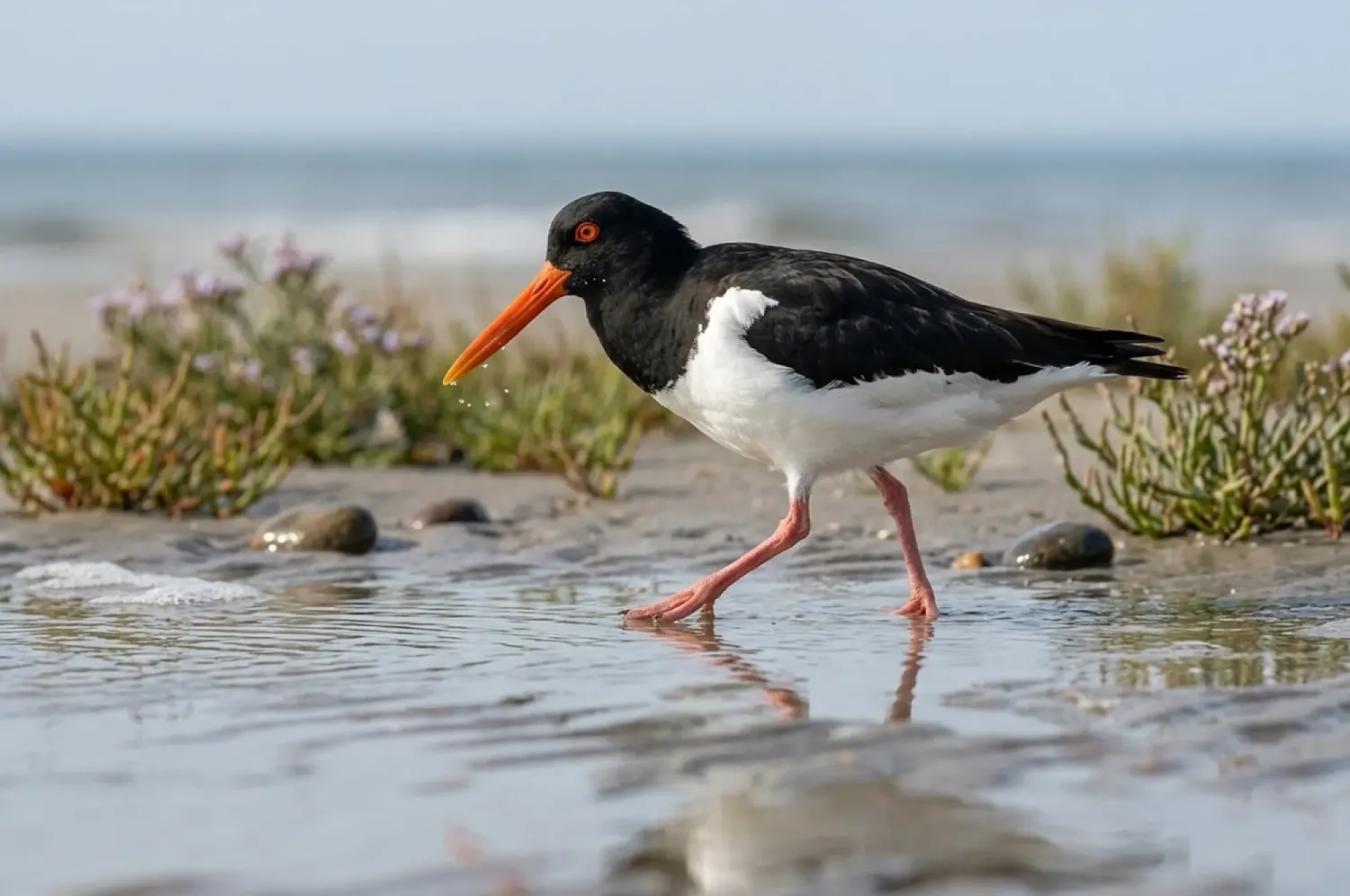
ಯೂರೇಷಿಯನ್ ಆಯಿಸ್ಟರ್ ಕ್ಯಾಚರ್ (Haematopus ostralegus) ಯುರೋಪ್ ಮತ್ತು ಏಷ್ಯಾದ ಭಾಗಗಳಲ್ಲಿ ಕಂಡುಬರುವ ಅತ್ಯಂತ ಸುಲಭವಾಗಿ ಗುರುತಿಸಬಹುದಾದ ಕಡಲತೀರದ ಹಕ್ಕಿಗಳಲ್ಲಿ ಒಂದಾಗಿದೆ. ವೇಡರ್ ಕುಟುಂಬದ ಸದಸ್ಯನಾಗಿರುವ ಈ ಹಕ್ಕಿ, ತನ್ನ ವಿಶಿಷ್ಟ ನೋಟ ಮತ್ತು ಮರಳಿನ ಕಡಲತೀರಗಳು ಹಾಗೂ ಕಲ್ಲಿನ ತೀರಗಳಲ್ಲಿನ ಉಪಸ್ಥಿತಿಯಿಂದಾಗಿ ಕರಾವಳಿಯ ಪ್ರಮುಖ ಪಕ್ಷಿಯಾಗಿದೆ.
ದೈಹಿಕ ನೋಟ
ಯೂರೇಷಿಯನ್ ಆಯಿಸ್ಟರ್ ಕ್ಯಾಚರ್ ಮಧ್ಯಮ ಗಾತ್ರದ ಹಕ್ಕಿಯಾಗಿದ್ದು, ಸಾಮಾನ್ಯವಾಗಿ 40-45 ಸೆಂ.ಮೀ ಉದ್ದವಿರುತ್ತದೆ. ಇದರ ಗರಿಗಳ ಬಣ್ಣವು ಸರಳವಾಗಿದ್ದು, ಕಪ್ಪು ಬಣ್ಣದ ಮೇಲ್ಭಾಗ, ತಲೆ ಮತ್ತು ಬಾಲವನ್ನು ಹೊಂದಿದೆ, ಇದು ಹೊಳೆಯುವ ಬಿಳಿ ಹೊಟ್ಟೆಯ ಭಾಗಕ್ಕೆ ತೀಕ್ಷ್ಣವಾದ ವ್ಯತ್ಯಾಸವನ್ನು ನೀಡುತ್ತದೆ. ಇದರ ಪ್ರಮುಖ ಲಕ್ಷಣವೆಂದರೆ ಅದರ ಉದ್ದವಾದ, ಬಲವಾದ, ಕಿತ್ತಳೆ-ಕೆಂಪು ಬಣ್ಣದ ಕೊಕ್ಕು, ಇದು ಚಿಪ್ಪು ಜೀವಿಗಳನ್ನು ತೆರೆಯಲು ಸೂಕ್ತವಾಗಿದೆ.
ನೈಸರ್ಗಿಕ ವಾಸಸ್ಥಾನ
ಈ ಹಕ್ಕಿಗಳು ಹೆಚ್ಚು ಹೊಂದಿಕೊಳ್ಳಬಲ್ಲವು ಮತ್ತು ವಿವಿಧ ಕಡಲತೀರದ ಪರಿಸರದಲ್ಲಿ ವಾಸಿಸುತ್ತವೆ. ಇವುಗಳ ಆದ್ಯತೆಯ ಆವಾಸಸ್ಥಾನಗಳೆಂದರೆ:
- ಮರಳು ಮತ್ತು ಮಣ್ಣಿನ ನದೀಮುಖಗಳು
- ಕಲ್ಲಿನ ಕಡಲತೀರಗಳು
- ಕರಾವಳಿಯ ಹುಲ್ಲುಗಾವಲುಗಳು
- ಸಂತಾನೋತ್ಪತ್ತಿಯಲ್ಲದ ಅವಧಿಯಲ್ಲಿ ಒಳನಾಡಿನ ಕೃಷಿ ಭೂಮಿಗಳು
ಆಹಾರ ಕ್ರಮ
ತಮ್ಮ ಹೆಸರಿಗೆ ತಕ್ಕಂತೆ, ಇವುಗಳ ಆಹಾರವು ಮುಖ್ಯವಾಗಿ ಮೃದ್ವಂಗಿಗಳು, ವಿಶೇಷವಾಗಿ ಮಸ್ಸೆಲ್ಸ್ (ಚಿಪ್ಪು ಜೀವಿಗಳು) ಮತ್ತು ಕಾಕಲ್ಸ್ ಅನ್ನು ಒಳಗೊಂಡಿರುತ್ತದೆ. ತಮ್ಮ ಶಕ್ತಿಯುತವಾದ, ಉಳಿ ಆಕಾರದ ಕೊಕ್ಕುಗಳನ್ನು ಬಳಸಿ, ಇವು ಚಿಪ್ಪುಗಳನ್ನು ತೆರೆಯುವಲ್ಲಿ ಪರಿಣಿತವಾಗಿವೆ. ಇವು ಮಣ್ಣಿನ ಹುಳುಗಳು, ಸಮುದ್ರದ ಹುಳುಗಳು ಮತ್ತು ಅಲೆಗಳ ನಡುವಿನ ವಲಯದಲ್ಲಿ ಕಂಡುಬರುವ ವಿವಿಧ ಜಲಚರ ಕೀಟಗಳನ್ನು ಸಹ ಸೇವಿಸುತ್ತವೆ.
ಸಂತಾನೋತ್ಪತ್ತಿ ಮತ್ತು ಗೂಡುಕಟ್ಟುವಿಕೆ
ಸಂತಾನೋತ್ಪತ್ತಿ ಅವಧಿಯಲ್ಲಿ, ಆಯಿಸ್ಟರ್ ಕ್ಯಾಚರ್ಗಳು ಕಡಲತೀರಗಳು, ಮರಳು ದಿಬ್ಬಗಳು ಅಥವಾ ಸಮತಟ್ಟಾದ ಮೇಲ್ಛಾವಣಿಗಳ ಮೇಲೆ ತಮ್ಮ ಪ್ರದೇಶಗಳನ್ನು ಸ್ಥಾಪಿಸುತ್ತವೆ. ಗೂಡು ಸಾಮಾನ್ಯವಾಗಿ ನೆಲದಲ್ಲಿ ಒಂದು ಸಣ್ಣ ಗುಂಡಿಯಂತಿದ್ದು, ಅದನ್ನು ಸಣ್ಣ ಕಲ್ಲುಗಳು ಅಥವಾ ಚಿಪ್ಪುಗಳಿಂದ ಜೋಡಿಸಲಾಗುತ್ತದೆ. ತಂದೆ-ತಾಯಿ ಹಕ್ಕಿಗಳು ತಮ್ಮ ಮೊಟ್ಟೆ ಮತ್ತು ಮರಿಗಳನ್ನು ರಕ್ಷಿಸಲು ಹೆಚ್ಚು ಜಾಗರೂಕತೆಯಿಂದ ಇರುತ್ತವೆ ಮತ್ತು ಒಳನುಗ್ಗುವವರನ್ನು ಹೆದರಿಸಲು ಜೋರಾಗಿ ಕೂಗುತ್ತವೆ.
ನಡವಳಿಕೆ
ಯೂರೇಷಿಯನ್ ಆಯಿಸ್ಟರ್ ಕ್ಯಾಚರ್ಗಳು ಗುಂಪುಗಳಲ್ಲಿ ವಾಸಿಸುವ ಮತ್ತು ಗದ್ದಲದ ಹಕ್ಕಿಗಳಾಗಿವೆ. ಇವುಗಳ ವಿಶಿಷ್ಟವಾದ, ತೀಕ್ಷ್ಣವಾದ 'ಪೀಪ್-ಇಂಗ್' ಕೂಗು ದೂರದಿಂದಲೇ ಕೇಳಿಸುತ್ತದೆ. ಚಳಿಗಾಲದ ತಿಂಗಳುಗಳಲ್ಲಿ ಇವುಗಳನ್ನು ದೊಡ್ಡ ಹಿಂಡುಗಳಲ್ಲಿ ಕಾಣಬಹುದು ಮತ್ತು ಇವು ಒಂದೇ ಸ್ಥಳದಲ್ಲಿ ವಾಸಿಸುವ ಗುಣವನ್ನು ಹೊಂದಿದ್ದು, ಪ್ರತಿ ವರ್ಷವೂ ಅದೇ ಗೂಡುಕಟ್ಟುವ ಸ್ಥಳಗಳಿಗೆ ಹಿಂತಿರುಗುತ್ತವೆ.
ಸಂರಕ್ಷಣಾ ಸ್ಥಿತಿ - NT ಅಳಿವಿನಂಚಿನ ಸಮೀಪದಲ್ಲಿರುವ
ಯೂರೇಷಿಯನ್ ಆಯಿಸ್ಟರ್ ಕ್ಯಾಚರ್ ಪ್ರಸ್ತುತ IUCN ನಿಂದ ನಿಕಟ ಬೆದರಿಕೆಗೆ ಒಳಗಾದ (Near Threatened) ಪ್ರಭೇದ ಎಂದು ಪಟ್ಟಿಮಾಡಲ್ಪಟ್ಟಿದೆ. ಇವು ವ್ಯಾಪಕವಾಗಿ ಹರಡಿದ್ದರೂ, ಆವಾಸಸ್ಥಾನದ ನಷ್ಟ, ಕಡಲತೀರಗಳಲ್ಲಿ ಮಾನವ ಹಸ್ತಕ್ಷೇಪ ಮತ್ತು ಒಳನಾಡಿನ ಆಹಾರ ಹುಡುಕುವ ಸ್ಥಳಗಳ ಮೇಲೆ ಪರಿಣಾಮ ಬೀರುವ ಕೃಷಿ ಪದ್ಧತಿಗಳ ಬದಲಾವಣೆಯಿಂದಾಗಿ ಇವು ಸವಾಲುಗಳನ್ನು ಎದುರಿಸುತ್ತಿವೆ.
ಆಸಕ್ತಿದಾಯಕ ಸಂಗತಿಗಳು
- ಆಯಿಸ್ಟರ್ ಕ್ಯಾಚರ್ನ ಕೊಕ್ಕು ವಿಶಿಷ್ಟವಾಗಿದೆ; ಪ್ರತಿಯೊಂದು ಹಕ್ಕಿಯು ಚಿಪ್ಪುಗಳನ್ನು ತೆರೆಯಲು ನಿರ್ದಿಷ್ಟ ತಂತ್ರಗಳನ್ನು ಕಲಿಯುತ್ತದೆ ಮತ್ತು ಅದನ್ನು ತಮ್ಮ ಮರಿಗಳಿಗೆ ಕಲಿಸುತ್ತದೆ.
- ಹೆಸರಿಗೆ ತಕ್ಕಂತೆ, ಇವು ಆಯಿಸ್ಟರ್ಗಳಿಗಿಂತ ಹೆಚ್ಚಾಗಿ ಕಾಕಲ್ಸ್ ಮತ್ತು ಹುಳುಗಳನ್ನು ತಿನ್ನುತ್ತವೆ.
- ಇವು ದೀರ್ಘಕಾಲ ಬದುಕುವ ಹಕ್ಕಿಗಳಾಗಿದ್ದು, ಕೆಲವು ಕಾಡಿನಲ್ಲಿ 30 ವರ್ಷಗಳಿಗೂ ಹೆಚ್ಚು ಕಾಲ ಬದುಕುತ್ತವೆ.
- ಇವು ಸಂಕೀರ್ಣವಾದ 'ಪೈಪಿಂಗ್' ಸಮಾರಂಭಗಳನ್ನು ಪ್ರದರ್ಶಿಸುತ್ತವೆ, ಅಲ್ಲಿ ಹಕ್ಕಿಗಳ ಗುಂಪುಗಳು ಒಟ್ಟಾಗಿ ಜೋರಾಗಿ ಕೂಗುತ್ತಾ ಓಡುತ್ತವೆ.
ಪಕ್ಷಿ ವೀಕ್ಷಕರಿಗೆ ಸಲಹೆಗಳು
ಯೂರೇಷಿಯನ್ ಆಯಿಸ್ಟರ್ ಕ್ಯಾಚರ್ ಅನ್ನು ನೋಡಲು, ಕಡಿಮೆ ಉಬ್ಬರವಿಳಿತದ ಸಮಯದಲ್ಲಿ ಕಡಲತೀರದ ನದೀಮುಖಗಳಿಗೆ ಭೇಟಿ ನೀಡಿ, ಆಗ ಅವು ಹೆಚ್ಚು ಸಕ್ರಿಯವಾಗಿರುತ್ತವೆ. ಇವು ನೆಲದ ಮೇಲೆ ಗೂಡು ಕಟ್ಟುವುದರಿಂದ, ವಸಂತ ಮತ್ತು ಬೇಸಿಗೆಯಲ್ಲಿ ಅವುಗಳ ಗೂಡುಗಳಿಗೆ ತೊಂದರೆಯಾಗದಂತೆ ಗೌರವಯುತ ಅಂತರವನ್ನು ಕಾಯ್ದುಕೊಳ್ಳುವುದು ಮುಖ್ಯ. ದೂರದಿಂದಲೇ ಅವುಗಳ ಆಹಾರ ಸೇವನೆಯ ತಂತ್ರಗಳನ್ನು ವೀಕ್ಷಿಸಲು ಬೈನಾಕ್ಯುಲರ್ ಬಳಸಿ.
ತೀರ್ಮಾನ
ಯೂರೇಷಿಯನ್ ಆಯಿಸ್ಟರ್ ಕ್ಯಾಚರ್ ನಮ್ಮ ಕಡಲತೀರದ ಪರಿಸರ ವ್ಯವಸ್ಥೆಯ ಒಂದು ಆಕರ್ಷಕ ಮತ್ತು ಪ್ರಮುಖ ಭಾಗವಾಗಿದೆ. ಅವುಗಳ ಅಗತ್ಯಗಳನ್ನು ಅರ್ಥಮಾಡಿಕೊಳ್ಳುವ ಮೂಲಕ ಮತ್ತು ಅವುಗಳ ಗೂಡುಕಟ್ಟುವ ಸ್ಥಳಗಳನ್ನು ರಕ್ಷಿಸುವ ಮೂಲಕ, ಈ ಐಕಾನಿಕ್ ಕಪ್ಪು-ಬಿಳಿ ಹಕ್ಕಿಗಳು ಮುಂದಿನ ಪೀಳಿಗೆಗೂ ನಮ್ಮ ಕಡಲತೀರಗಳಲ್ಲಿ ಮುಂದುವರಿಯುವುದನ್ನು ನಾವು ಖಚಿತವಾಗಿವೆ.