Introduction
The Red-naped Ibis (Pseudibis papillosa), also commonly known as the Indian Black Ibis or simply the Black Ibis, is a striking member of the ibis family. Native to the plains of the Indian Subcontinent, this bird is a unique wader that breaks the mold by being less dependent on water than its relatives. Whether soaring over riverbeds or foraging in dry agricultural fields, the Red-naped Ibis is a distinctive sight for birdwatchers across the region.
Physical Appearance
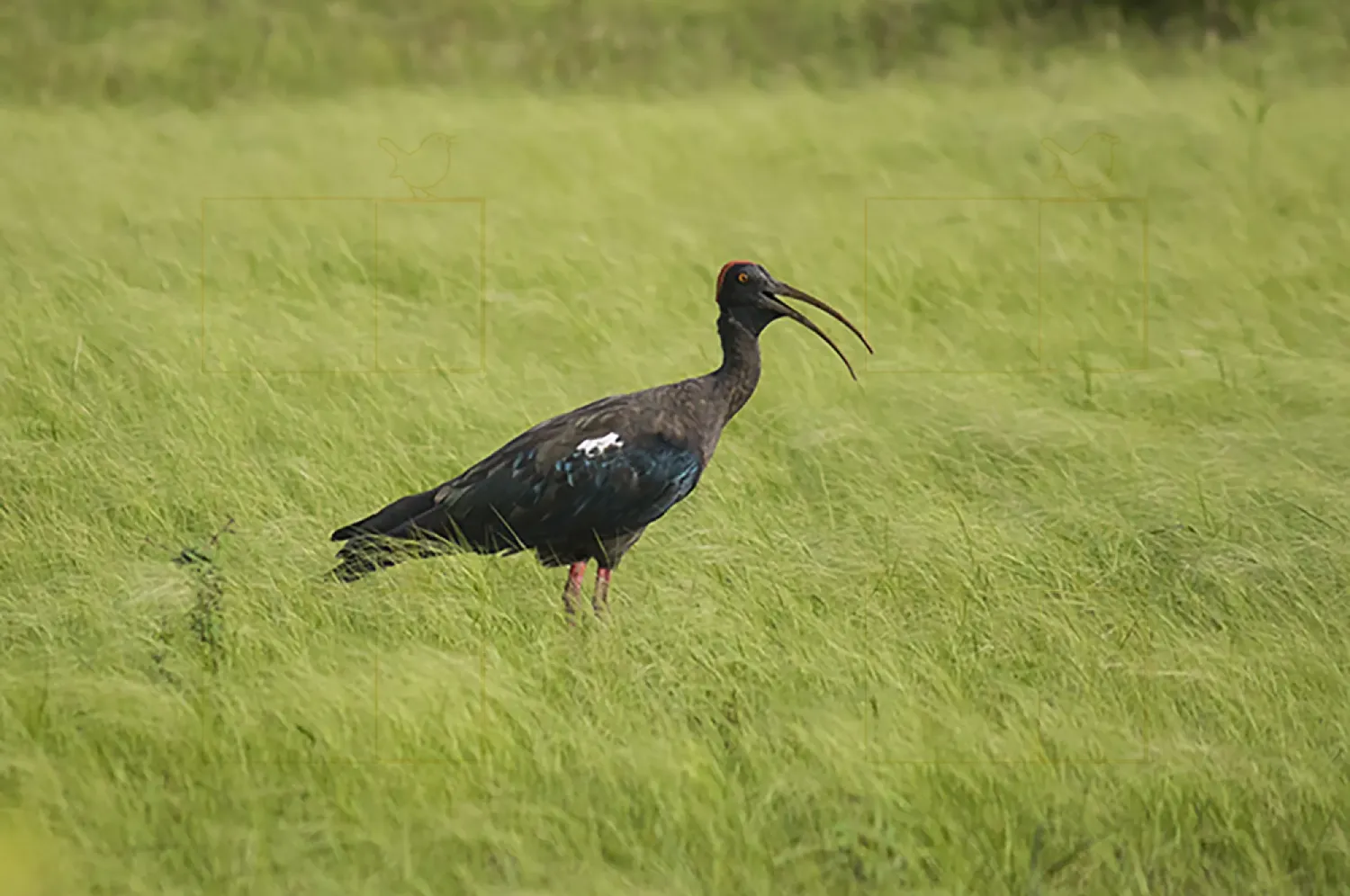
The Red-naped Ibis is a medium-sized bird with a stocky build and several defining physical traits:
- Size: Adults typically reach a length of 68 cm.
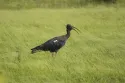
- Plumage: The body is predominantly dark brown to black, featuring a beautiful green-and-purple iridescent gloss.
- Head: They possess a naked black head adorned with a patch of crimson red warty skin on the crown and nape.
- Shoulder Patch: A prominent white patch on the shoulder is a key diagnostic feature, visible even when the bird is at rest.
- Bill and Legs: They have a relatively stout, downcurved bill and dull reddish legs.
- Immature Birds: Younger individuals are dark brown with feathered heads and lack the characteristic red nape.
Habitat
Unlike many other ibises that stay strictly near wetlands, the Red-naped Ibis is highly adaptable to various environments:
- Wetlands: Frequently found near lakes, marshes, and riverbeds.
- Agriculture: Commonly seen on irrigated farmlands and harvested fields.
- Dry Lands: Often observed in dry fields and open plains a considerable distance from any water source.
Diet
As an omnivorous forager, the Red-naped Ibis has a diverse diet that includes:
- Insects: Beetles, grasshoppers, and various larvae found in the soil.
- Small Vertebrates: Frogs, lizards, and other small creatures.
- Grains: They are known to supplement their diet with grain from agricultural fields.
- Carrion: Occasionally scavenges on organic matter.
Breeding and Nesting
Breeding behavior in the Red-naped Ibis is marked by vocalization and specific nesting habits:
- Nesting Sites: They typically build their nests at the top of large trees or tall palms.
- Nest Structure: The nest is a large platform constructed from sticks and twigs.
- Vocalization: They are known to be very noisy during the breeding season, emitting loud, harsh calls.
- Social Structure: While they forage in loose groups, they are generally solitary nesters or nest in small, scattered groups.
Behavior
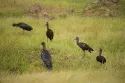
The Red-naped Ibis is usually seen in loose groups. It is a terrestrial feeder, walking slowly across fields while probing the ground with its sensitive, downcurved bill. In flight, they appear bulky and broad-winged, with their feet barely extending beyond the tail. Their loud, screaming calls are a common sound in the rural Indian landscape, particularly during the early morning and late evening.
Conservation Status
The Red-naped Ibis is currently categorized as a species of Least Concern by the IUCN. Because they are well-adapted to human-altered landscapes like farms and fields, their populations remain relatively stable across their natural range in the Indian Subcontinent.
Interesting Facts
- The "warts" on the red nape are actually patches of thickened skin.
- It is one of the few ibis species that is not strictly bound to aquatic habitats.
- In ancient times, they were often associated with agricultural cycles in rural India.
- The white wing patch serves as a flash signal to other birds during flight.
- Unlike the Glossy Ibis, the Red-naped Ibis has a much heavier and stockier build.
Tips for Birdwatchers
If you are looking to spot a Red-naped Ibis, try these practical tips:
- Check Dry Fields: Look for them in fallow agricultural lands away from water.
- Listen for Noisy Calls: Follow their loud, distinct calls, especially during the breeding season.
- Observe at Sunset: They often gather in large trees to roost as the sun goes down.
- Use Binoculars: Look for the white shoulder patch to distinguish them from other dark birds like the Glossy Ibis or Black-headed Ibis.
Conclusion
The Red-naped Ibis is an iconic bird of the Indian plains, blending into both natural wetlands and man-made farmlands. With its striking red crown, iridescent feathers, and loud personality, it remains a fascinating subject for ornithologists and casual birdwatchers alike. Understanding their unique habitat preferences and behaviors helps us appreciate the incredible biodiversity of the Indian Subcontinent.