
Introduction
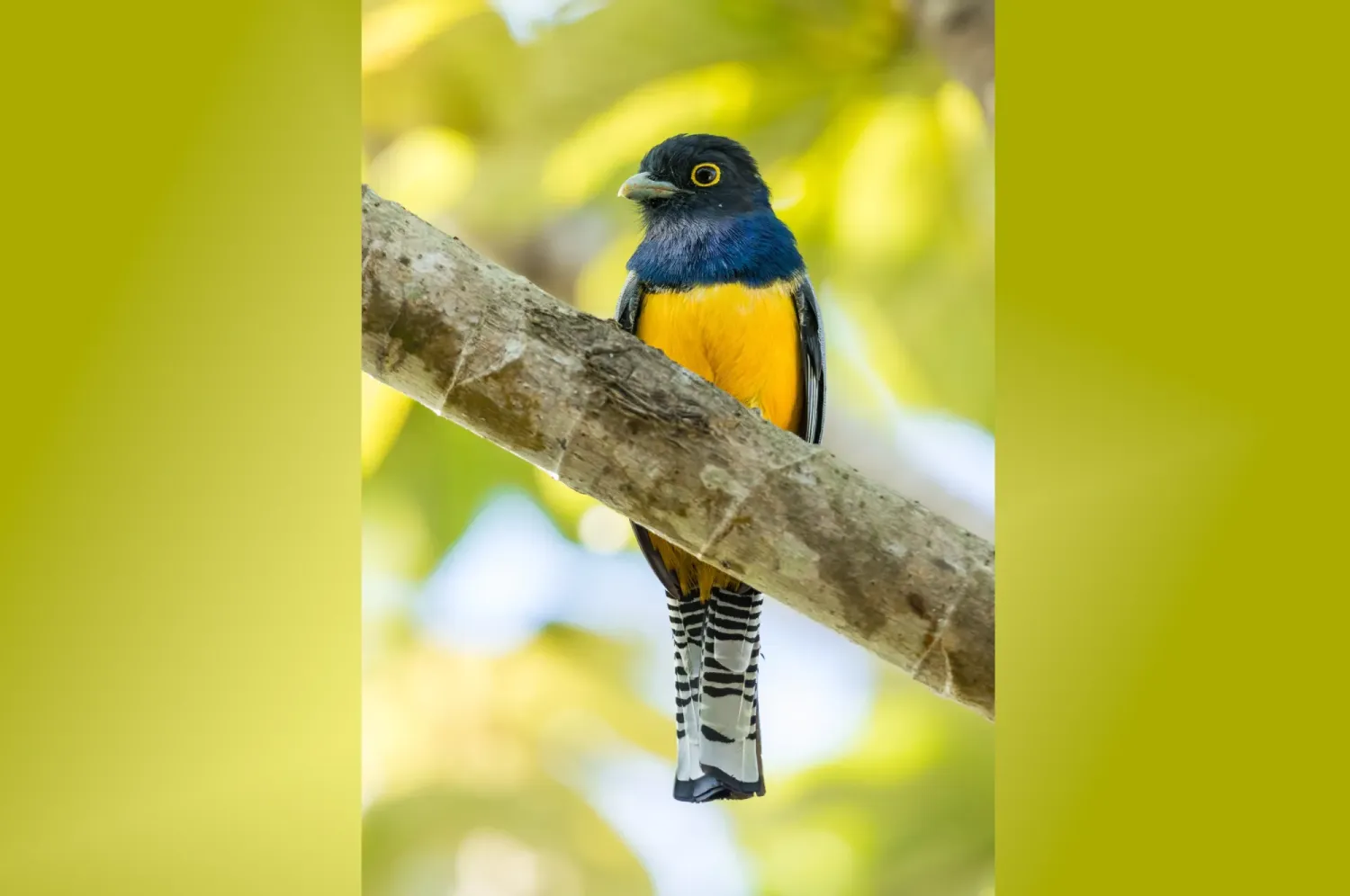
The Ward's Trogon (Harpactes wardi) is a truly spectacular and somewhat enigmatic species, captivating birdwatchers and researchers alike with its striking appearance and elusive nature. This medium-sized bird, belonging to the family Trogonidae, is a jewel of the Asian temperate and subtropical forests, known for its vibrant pink and blue plumage. Despite its beauty, much about its life remains a mystery, making every sighting a special event.
Physical Appearance
The Ward's Trogon is a moderately sized bird, measuring approximately 38 centimeters in length. Its most distinguishing feature is its breathtaking coloration. Males typically display a brilliant combination of pink and blue, creating a vibrant contrast that stands out against the lush green of its forest habitat. The precise distribution of these colors across its body contributes to its unique and memorable appearance, making it one of the most visually appealing birds in its range.
Habitat
The natural habitat of the Ward's Trogon spans across various regions of Asia, primarily favoring temperate and subtropical or tropical moist lowland forests. Its known range includes:
- Bhutan
- Arunachal Pradesh in North Eastern India
- Northern and Eastern Myanmar
- Southern China (specifically in western Yunnan)
Historically, a disjunct population was reported in Fan Si Pan, Vietnam, back in 1939. However, there are unfortunately no modern records of this species in Vietnam, raising concerns about its presence there today. This bird relies heavily on these dense forest environments for survival, making habitat preservation crucial for its future.
Diet
While much about the Ward's Trogon's behavior remains largely unknown, observations regarding its diet indicate it is an opportunistic feeder. Its diet primarily consists of:
- Insects: Including moths, stick-insects, grasshoppers, and various bugs.
- Large Seeds: Supplementing its insectivorous diet.
This varied diet suggests its adaptability in foraging within its forest environment, making use of available food sources throughout the seasons.
Breeding and Nesting
Information regarding the breeding and nesting habits of the Ward's Trogon is remarkably scarce. To date, no nests have been found or described, adding to the species' enigmatic reputation. However, birds in breeding condition have been observed during March and April, suggesting this period is crucial for their reproductive cycle. Further research is desperately needed to understand and protect their breeding grounds.
Behavior
The behavior of the Ward's Trogon is largely a subject of mystery. Little is known about its daily activities, social interactions, or specific foraging techniques. Its elusive nature makes it a challenging subject for study, contributing to the limited information available on its ecological role and life cycle.
Conservation Status - LC Least Concern
The Ward's Trogon faces significant threats in its natural environment. The primary concern for this species is habitat loss. Deforestation and the degradation of its temperate and subtropical forest habitats due to human activities pose a serious risk to its survival. Conservation efforts focused on protecting its forest ecosystems are vital to ensure the continued existence of this beautiful bird.
Interesting Facts
- The common name and Latin binomial (Harpactes wardi) commemorate the English botanist and explorer Francis Kingdon-Ward, who made significant contributions to the study of Asian flora and fauna.
- It belongs to the family Trogonidae, a group of birds known for their often brightly colored plumage and unique nesting habits (though the Ward's Trogon's specific nesting behavior remains unknown).
- Despite its striking colors, the Ward's Trogon is incredibly elusive, making it one of the most sought-after but rarely seen birds by enthusiasts.
- The reported disjunct population in northern Vietnam has no recent records, highlighting potential local extinctions or the extreme rarity of the species in that region.
- Its diet includes a mix of large insects and seeds, showcasing its adaptability in foraging within its diverse forest habitats.
Tips for Birdwatchers
Observing the Ward's Trogon can be a challenging yet rewarding experience for birdwatchers. Here are some tips:
- Patience is Key: Due to their elusive nature, be prepared for long periods of quiet observation.
- Targeted Locations: Focus your efforts in known habitats within Bhutan, Arunachal Pradesh (India), Myanmar, and southern China.
- Forest Interior: They prefer the dense understory and mid-canopy of temperate and subtropical moist lowland forests.
- Listen for Calls: Familiarize yourself with any known calls or vocalizations, which might be the only indication of their presence.
- Respect Habitat: Always practice ethical birdwatching, minimizing disturbance to the birds and their environment.
Conclusion
The Ward's Trogon stands as a testament to the incredible biodiversity of Asian forests. Its vibrant pink and blue plumage, combined with its mysterious habits, make it a truly captivating species. However, its future is uncertain, threatened by ongoing habitat loss. By raising awareness and supporting conservation initiatives, we can help protect the precious forest homes of the Harpactes wardi, ensuring that this magnificent bird continues to grace the skies of Asia for generations to come.
