
ಪರಿಚಯ
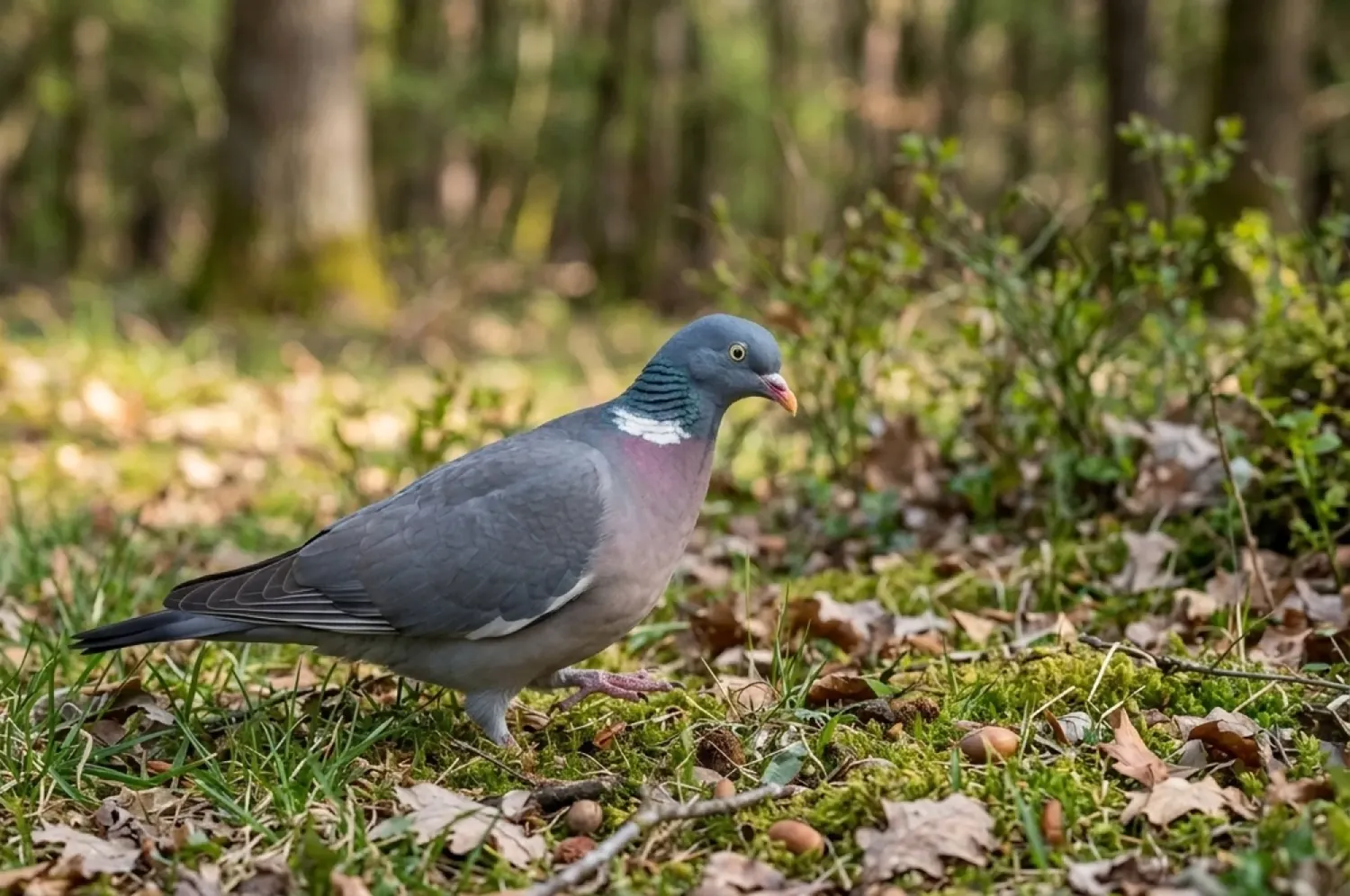
ಕಾಮನ್ ವುಡ್ಪಿಜನ್ (Columba palumbus) ಯುರೋಪ್ ಮತ್ತು ಏಷ್ಯಾದ ಭಾಗಗಳಲ್ಲಿ ಕಂಡುಬರುವ ಅತಿದೊಡ್ಡ ಮತ್ತು ಅತ್ಯಂತ ವ್ಯಾಪಕವಾದ ಪಾರಿವಾಳ ಪ್ರಭೇದವಾಗಿದೆ. ಕೊಲಂಬಿಡೆ ಕುಟುಂಬದ ಸದಸ್ಯನಾಗಿರುವ ಈ ಬಲಿಷ್ಠ ಪಕ್ಷಿಯು ಗ್ರಾಮೀಣ ಪ್ರದೇಶಗಳು ಮತ್ತು ನಗರದ ಉದ್ಯಾನವನಗಳಲ್ಲಿ ಕಂಡುಬರುತ್ತದೆ. ಇದು ತನ್ನ ವಿಶಿಷ್ಟವಾದ ಕೂಗು ಮತ್ತು ವೇಗದ, ಶಬ್ದ ಮಾಡುವ ಹಾರಾಟಕ್ಕೆ ಹೆಸರುವಾಸಿಯಾಗಿದೆ.
ದೈಹಿಕ ನೋಟ
ಕಾಮನ್ ವುಡ್ಪಿಜನ್ ಒಂದು ದೊಡ್ಡ ಗಾತ್ರದ ಪಕ್ಷಿಯಾಗಿದ್ದು, 38-44 ಸೆಂ.ಮೀ ಉದ್ದವಿರುತ್ತದೆ. ಇದರ ಗರಿಗಳು ಮುಖ್ಯವಾಗಿ ಬೂದು ಬಣ್ಣದ್ದಾಗಿದ್ದು, ಮರದ ರೆಂಬೆಗಳ ನಡುವೆ ಅಡಗಿಕೊಳ್ಳಲು ಸಹಾಯ ಮಾಡುತ್ತದೆ. ಕುತ್ತಿಗೆಯ ಮೇಲೆ ಎದ್ದು ಕಾಣುವ ಬಿಳಿ ಬಣ್ಣದ ಗುರುತು ಮತ್ತು ಹಾರಾಟದ ಸಮಯದಲ್ಲಿ ಸ್ಪಷ್ಟವಾಗಿ ಗೋಚರಿಸುವ ರೆಕ್ಕೆಗಳ ಮೇಲಿನ ಬಿಳಿ ಪಟ್ಟಿಗಳು ಇದರ ಪ್ರಮುಖ ಗುರುತುಗಳಾಗಿವೆ. ಇದರ ಎದೆಯು ತಿಳಿ ಗುಲಾಬಿ ಬಣ್ಣವನ್ನು ಹೊಂದಿದ್ದು, ಸಣ್ಣದಾದ, ಹಳದಿ ತುದಿ ಹೊಂದಿರುವ ಕೊಕ್ಕನ್ನು ಹೊಂದಿದೆ.
ನೈಸರ್ಗಿಕ ವಾಸಸ್ಥಾನ
ಈ ಪಕ್ಷಿಗಳು ಹೆಚ್ಚು ಹೊಂದಾಣಿಕೆಯ ಸ್ವಭಾವದವು ಮತ್ತು ವಿವಿಧ ಪರಿಸರಗಳಲ್ಲಿ ಬದುಕಬಲ್ಲವು. ಇವು ಸಾಮಾನ್ಯವಾಗಿ ಇಲ್ಲಿ ಕಂಡುಬರುತ್ತವೆ:
- ದಟ್ಟವಾದ ಅರಣ್ಯಗಳು ಮತ್ತು ಕಾಡುಗಳು
- ಕೃಷಿ ಭೂಮಿಗಳು ಮತ್ತು ಬೇಲಿಗಳು
- ಸಾರ್ವಜನಿಕ ಉದ್ಯಾನವನಗಳು ಮತ್ತು ಉಪನಗರದ ತೋಟಗಳು
- ಹಣ್ಣಿನ ತೋಟಗಳು ಮತ್ತು ಹಳೆಯ ಮರಗಳನ್ನು ಹೊಂದಿರುವ ನಗರ ಕೇಂದ್ರಗಳು
ಆಹಾರ ಕ್ರಮ
ಕಾಮನ್ ವುಡ್ಪಿಜನ್ ಮುಖ್ಯವಾಗಿ ಸಸ್ಯಾಹಾರಿ. ಇದರ ಆಹಾರವು ಹೆಚ್ಚಾಗಿ ಇವುಗಳನ್ನು ಒಳಗೊಂಡಿರುತ್ತದೆ:
- ಬೀಜಗಳು ಮತ್ತು ಧಾನ್ಯಗಳು
- ಎಲೆಗಳು ಮತ್ತು ತರಕಾರಿಗಳು (ಕೇಲ್ ಅಥವಾ ಮೊಳಕೆಗಳು)
- ಹಣ್ಣುಗಳು
- ಮೊಗ್ಗುಗಳು ಮತ್ತು ಚಿಗುರುಗಳು
ಸಂತಾನೋತ್ಪತ್ತಿ ಮತ್ತು ಗೂಡುಕಟ್ಟುವಿಕೆ
ಸಂತಾನೋತ್ಪತ್ತಿಯು ಸಾಮಾನ್ಯವಾಗಿ ಏಪ್ರಿಲ್ನಿಂದ ಸೆಪ್ಟೆಂಬರ್ ನಡುವೆ ನಡೆಯುತ್ತದೆ. ಇವು ಸಣ್ಣ ಕಡ್ಡಿಗಳನ್ನು ಬಳಸಿ ಮರದ ಕವಲಿನಲ್ಲಿ ಎತ್ತರದ ವೇದಿಕೆಯಂತಹ ಗೂಡುಗಳನ್ನು ಕಟ್ಟುತ್ತವೆ. ಇವು ಸಾಮಾನ್ಯವಾಗಿ ಎರಡು ಬಿಳಿ ಮೊಟ್ಟೆಗಳನ್ನು ಇಡುತ್ತವೆ, ಇವುಗಳನ್ನು ತಂದೆ-ತಾಯಿ ಎರಡೂ ಪಕ್ಷಿಗಳು ಕಾವು ಕೊಡುತ್ತವೆ.
ನಡವಳಿಕೆ
ವುಡ್ಪಿಜನ್ಗಳು ಸಾಮಾಜಿಕ ಪಕ್ಷಿಗಳಾಗಿದ್ದು, ಸಂತಾನೋತ್ಪತ್ತಿಯ ಅವಧಿಯ ಹೊರಗೆ ದೊಡ್ಡ ಹಿಂಡುಗಳಲ್ಲಿ ಕಂಡುಬರುತ್ತವೆ. ಇವು ಮರಗಳ ಮೇಲೆ ಕುಳಿತುಕೊಳ್ಳುವ ಅಭ್ಯಾಸ ಮತ್ತು ಮಿಲನದ ಹಾರಾಟದ ಸಮಯದಲ್ಲಿ ರೆಕ್ಕೆಗಳನ್ನು ಜೋರಾಗಿ ಬಡಿಯುವ ವಿಶಿಷ್ಟ ಪ್ರದರ್ಶನಕ್ಕೆ ಹೆಸರುವಾಸಿಯಾಗಿವೆ. ಇವು ಎಚ್ಚರಿಕೆಯ ಸ್ವಭಾವದ ಪಕ್ಷಿಗಳು, ಅಪಾಯದ ಲಕ್ಷಣ ಕಂಡ ತಕ್ಷಣ ಹಾರಿಹೋಗುತ್ತವೆ.
ಸಂರಕ್ಷಣಾ ಸ್ಥಿತಿ - LC ಕಡಿಮೆ ಆತಂಕ
ಕಾಮನ್ ವುಡ್ಪಿಜನ್ ಅನ್ನು IUCN ಸಂಸ್ಥೆಯು ಕನಿಷ್ಠ ಕಾಳಜಿ (Least Concern) ಎಂದು ವರ್ಗೀಕರಿಸಿದೆ. ಇವು ಮಾನವ ಮಾರ್ಪಡಿಸಿದ ಭೂದೃಶ್ಯಗಳು ಮತ್ತು ಕೃಷಿ ಸಂಪನ್ಮೂಲಗಳನ್ನು ಬಳಸಿಕೊಳ್ಳುವ ಸಾಮರ್ಥ್ಯವನ್ನು ಹೊಂದಿರುವುದರಿಂದ ಇವುಗಳ ಸಂಖ್ಯೆ ಸ್ಥಿರವಾಗಿದೆ ಮತ್ತು ವ್ಯಾಪಕವಾಗಿದೆ.
ಆಸಕ್ತಿದಾಯಕ ಸಂಗತಿಗಳು
- ಕಾಮನ್ ವುಡ್ಪಿಜನ್ ಯುರೋಪ್ನಲ್ಲಿ ಕಂಡುಬರುವ ಅತಿದೊಡ್ಡ ಪಾರಿವಾಳ ಪ್ರಭೇದವಾಗಿದೆ.
- ಇವು ಹೆಚ್ಚಿನ ಪ್ರಮಾಣದ ಕೃಷಿ ಬೆಳೆಗಳನ್ನು ತಿನ್ನುತ್ತವೆ, ಇದರಿಂದಾಗಿ ಕೆಲವೊಮ್ಮೆ ರೈತರಿಗೆ ಇವು ಇಷ್ಟವಾಗುವುದಿಲ್ಲ.
- ಇವು ಹಾರುವಾಗ ರೆಕ್ಕೆಗಳು ಜೋರಾದ ಶಬ್ದವನ್ನು ಮಾಡುತ್ತವೆ, ಇದು ಇತರ ಪಕ್ಷಿಗಳಿಗೆ ಎಚ್ಚರಿಕೆಯ ಸಂಕೇತವಾಗಿ ಕಾರ್ಯನಿರ್ವಹಿಸುತ್ತದೆ.
- ಆಹಾರ ಹೇರಳವಾಗಿದ್ದರೆ ಇವು ಒಂದೇ ವರ್ಷದಲ್ಲಿ ಹಲವು ಬಾರಿ ಸಂತಾನೋತ್ಪತ್ತಿ ಮಾಡುವ ಸಾಮರ್ಥ್ಯವನ್ನು ಹೊಂದಿವೆ.
ಪಕ್ಷಿ ವೀಕ್ಷಕರಿಗೆ ಸಲಹೆಗಳು
ವುಡ್ಪಿಜನ್ ಅನ್ನು ಗುರುತಿಸಲು, ಹಾರುವಾಗ ಅವುಗಳ ರೆಕ್ಕೆಯ ಮೇಲಿನ ಬಿಳಿ ಗುರುತುಗಳನ್ನು ಗಮನಿಸಿ. ಮುಂಜಾನೆ ಅರಣ್ಯದ ಅಂಚಿನಲ್ಲಿ ಅಥವಾ ಶಾಂತಿಯುತ ಉದ್ಯಾನವನಗಳಲ್ಲಿ ಬೈನಾಕ್ಯುಲರ್ ಬಳಸಿ ವೀಕ್ಷಿಸುವುದು, ಅವುಗಳನ್ನು ಹೆದರಿಸದೆ ನೈಸರ್ಗಿಕ ನಡವಳಿಕೆಯನ್ನು ಗಮನಿಸಲು ಉತ್ತಮ ಮಾರ್ಗವಾಗಿದೆ.
ತೀರ್ಮಾನ
ಕಾಮನ್ ವುಡ್ಪಿಜನ್ ಮಾನವ ಪರಿಸರಕ್ಕೆ ಯಶಸ್ವಿಯಾಗಿ ಹೊಂದಿಕೊಂಡಿರುವ ಆಕರ್ಷಕ ಮತ್ತು ಸ್ಥಿತಿಸ್ಥಾಪಕ ಪ್ರಭೇದವಾಗಿದೆ. ನೀವು ಅನುಭವಿ ಪಕ್ಷಿ ತಜ್ಞರಾಗಿರಲಿ ಅಥವಾ ಸಾಮಾನ್ಯ ಪಕ್ಷಿ ವೀಕ್ಷಕರಾಗಿರಲಿ, ಈ ಪಕ್ಷಿಗಳ ಉಪಸ್ಥಿತಿಯು ಪಕ್ಷಿ ಪ್ರಪಂಚಕ್ಕೆ ಒಂದು ವಿಶೇಷ ಮೆರುಗು ನೀಡುತ್ತದೆ.