
ಪರಿಚಯ
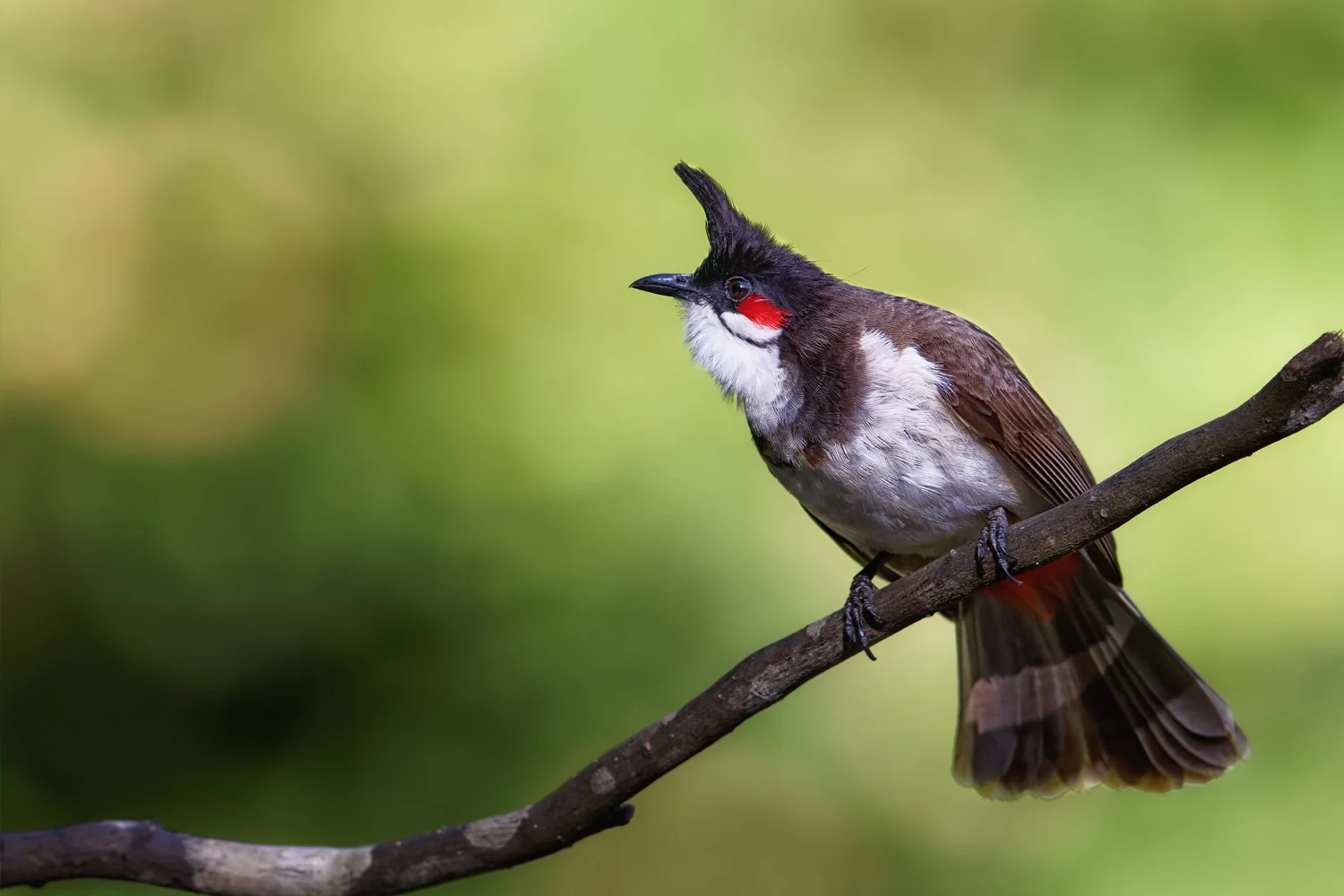
ಕೆಂಪು ಮೀಸೆಯ ಬುಲ್ಬುಲ್ (Pycnonotus jocosus) ಎಂಬುದು ಪೈಕ್ನೋಟೈಡೇ ಕುಟುಂಬಕ್ಕೆ ಸೇರಿದ ಒಂದು ಆಕರ್ಷಕ ಮತ್ತು ಹೊಂದಿಕೊಳ್ಳುವ ಸ್ವಭಾವದ ಹಕ್ಕಿಯಾಗಿದೆ. ಉಷ್ಣವಲಯದ ಏಷ್ಯಾದ ಸ್ಥಳೀಯ ಪಕ್ಷಿಯಾದ ಇದು, ಈಗ ತೋಟಗಳು, ಉದ್ಯಾನವನಗಳು ಮತ್ತು ಕೃಷಿ ಭೂಮಿಗಳಲ್ಲಿ ಸಾಮಾನ್ಯ ದೃಶ್ಯವಾಗಿದೆ. ಇದರ ತಲೆಯ ಮೇಲೆ ಇರುವ ಸುಂದರವಾದ ಜುಟ್ಟು ಮತ್ತು ಕಣ್ಣಿನ ಹಿಂದೆ ಇರುವ ಕೆಂಪು ಬಣ್ಣದ ಗುರುತು ಇದನ್ನು ಸುಲಭವಾಗಿ ಗುರುತಿಸಲು ಸಹಾಯ ಮಾಡುತ್ತದೆ. ಇದರ ಸುಮಧುರವಾದ ಕೂಗು ಮುಂಜಾನೆಯ ಸಮಯದಲ್ಲಿ ನಗರ ಮತ್ತು ಗ್ರಾಮೀಣ ಪ್ರದೇಶಗಳಲ್ಲಿ ಒಂದು ಸುಂದರವಾದ ಹಿನ್ನೆಲೆ ಸಂಗೀತದಂತೆ ಕೇಳಿಸುತ್ತದೆ. ಮಾನವ ನಿರ್ಮಿತ ಪರಿಸರಕ್ಕೆ ಸುಲಭವಾಗಿ ಹೊಂದಿಕೊಳ್ಳುವ ಈ ಪಕ್ಷಿ, ಅದ್ಭುತವಾದ ಸ್ಥಿತಿಸ್ಥಾಪಕತ್ವವನ್ನು ಪ್ರದರ್ಶಿಸುತ್ತದೆ. ಹವ್ಯಾಸಿ ಪಕ್ಷಿ ವೀಕ್ಷಕರಿಗೆ ಅಥವಾ ಅನುಭವಿ ಪಕ್ಷಿಶಾಸ್ತ್ರಜ್ಞರಿಗೆ, ಈ ಪಕ್ಷಿಯ ಜೀವನ ಚಕ್ರ ಮತ್ತು ಪರಿಸರ ಪಾತ್ರವನ್ನು ಅರ್ಥಮಾಡಿಕೊಳ್ಳುವುದು ಆಸಕ್ತಿದಾಯಕವಾಗಿದೆ. ಈ ಮಾರ್ಗದರ್ಶಿಯು ಈ ಪಕ್ಷಿಯ ಭೌತಿಕ ಲಕ್ಷಣಗಳಿಂದ ಹಿಡಿದು ಗೂಡುಕಟ್ಟುವ ನಡವಳಿಕೆಯವರೆಗೆ ಎಲ್ಲವನ್ನೂ ವಿವರಿಸುತ್ತದೆ.
ದೈಹಿಕ ನೋಟ
ಕೆಂಪು ಮೀಸೆಯ ಬುಲ್ಬುಲ್ ಮಧ್ಯಮ ಗಾತ್ರದ ಪಕ್ಷಿಯಾಗಿದ್ದು, ಸಾಮಾನ್ಯವಾಗಿ 20 ರಿಂದ 22 ಸೆಂಟಿಮೀಟರ್ ಉದ್ದವಿರುತ್ತದೆ. ಇದರ ಮೈಬಣ್ಣವು ಕಂದು ಬಣ್ಣದಲ್ಲಿದ್ದು, ಮರಗಳ ತೊಗಟೆ ಮತ್ತು ಎಲೆಗಳ ನಡುವೆ ಅಡಗಿಕೊಳ್ಳಲು ಸಹಾಯ ಮಾಡುತ್ತದೆ. ಇದರ ಹೊಟ್ಟೆಯ ಭಾಗವು ಬಿಳಿಯಾಗಿದ್ದು, ಕೆನ್ನೆಯ ಮೇಲೆ ಬಿಳಿ ಬಣ್ಣದ ಗುರುತಿನ ಸುತ್ತ ಕಪ್ಪು ಗೆರೆ ಇರುತ್ತದೆ. ಕಣ್ಣಿನ ಕೆಳಗೆ ಇರುವ ಕೆಂಪು ಬಣ್ಣದ ಗರಿಗಳೇ ಇದಕ್ಕೆ 'ಕೆಂಪು ಮೀಸೆಯ ಬುಲ್ಬುಲ್' ಎಂಬ ಹೆಸರು ಬರಲು ಕಾರಣ. ತಲೆಯ ಮೇಲೆ ಉದ್ದವಾದ ಕಪ್ಪು ಜುಟ್ಟು ಇರುತ್ತದೆ, ಇದನ್ನು ಹಕ್ಕಿಯು ತನ್ನ ಮನಸ್ಥಿತಿಗೆ ಅನುಗುಣವಾಗಿ ಮೇಲೆ ಅಥವಾ ಕೆಳಗೆ ಮಾಡುತ್ತದೆ. ಇದರ ಬಾಲವು ಉದ್ದವಾಗಿದ್ದು, ಹಾರುವಾಗ ಬಿಳಿ ತುದಿಗಳು ಎದ್ದು ಕಾಣುತ್ತವೆ. ಗಂಡು ಮತ್ತು ಹೆಣ್ಣು ಪಕ್ಷಿಗಳು ನೋಡಲು ಒಂದೇ ರೀತಿಯಾಗಿರುತ್ತವೆ. ಮರಿಗಳು ವಯಸ್ಕರಿಗಿಂತ ಮಂದ ಬಣ್ಣವನ್ನು ಹೊಂದಿರುತ್ತವೆ ಮತ್ತು ವಯಸ್ಸಾದಂತೆ ಅವುಗಳಿಗೆ ಕೆಂಪು ಬಣ್ಣದ ಗುರುತುಗಳು ಬರುತ್ತವೆ.
ನೈಸರ್ಗಿಕ ವಾಸಸ್ಥಾನ
ಕೆಂಪು ಮೀಸೆಯ ಬುಲ್ಬುಲ್ಗಳು ವಿವಿಧ ಪರಿಸರಗಳಿಗೆ ಸುಲಭವಾಗಿ ಹೊಂದಿಕೊಳ್ಳುತ್ತವೆ. ಇವುಗಳ ನೈಸರ್ಗಿಕ ಆವಾಸಸ್ಥಾನವು ತೆರೆದ ಅರಣ್ಯಗಳು, ಪೊದೆಗಳು ಮತ್ತು ಮರಗಳಿರುವ ಪ್ರದೇಶಗಳನ್ನು ಒಳಗೊಂಡಿದೆ. ಆದಾಗ್ಯೂ, ಇವುಗಳನ್ನು ಹೆಚ್ಚಾಗಿ ಮಾನವನ ಆವಾಸಸ್ಥಾನಗಳಾದ ಉಪನಗರದ ತೋಟಗಳು, ಉದ್ಯಾನವನಗಳು ಮತ್ತು ಕೃಷಿ ಭೂಮಿಗಳಲ್ಲಿ ಕಾಣಬಹುದು. ಇವು ಪೊದೆಗಳಿರುವ ಮತ್ತು ಆಹಾರ ಹುಡುಕಲು ತೆರೆದ ಜಾಗಗಳಿರುವ ಪ್ರದೇಶಗಳನ್ನು ಇಷ್ಟಪಡುತ್ತವೆ. ದಟ್ಟವಾದ ಮಳೆಕಾಡುಗಳಿಗಿಂತ ಅರಣ್ಯದ ಅಂಚಿನ ಪ್ರದೇಶಗಳಲ್ಲಿ ಇವು ಹೆಚ್ಚಾಗಿ ವಾಸಿಸುತ್ತವೆ. ತೋಟದ ಸಸ್ಯಗಳಲ್ಲಿ ಗೂಡುಕಟ್ಟುವ ಇವುಗಳ ಸಾಮರ್ಥ್ಯವು ನಗರ ಪ್ರದೇಶಗಳಲ್ಲಿಯೂ ಇವುಗಳನ್ನು ಶಾಶ್ವತ ನಿವಾಸಿಗಳನ್ನಾಗಿ ಮಾಡಿದೆ.
ಆಹಾರ ಕ್ರಮ
ಕೆಂಪು ಮೀಸೆಯ ಬುಲ್ಬುಲ್ನ ಆಹಾರವು ವೈವಿಧ್ಯಮಯವಾಗಿದೆ. ಇವು ಪ್ರಾಥಮಿಕವಾಗಿ ಹಣ್ಣುಗಳನ್ನು ತಿನ್ನುವ (frugivorous) ಪಕ್ಷಿಗಳಾಗಿದ್ದು, ಅಂಜೂರ, ಬೆರ್ರಿಗಳು ಮತ್ತು ಕೃಷಿ ಹಣ್ಣುಗಳನ್ನು ಇಷ್ಟಪಡುತ್ತವೆ. ಇವು ಪರಿಸರದಲ್ಲಿ ಬೀಜಗಳನ್ನು ಹರಡುವಲ್ಲಿ ಪ್ರಮುಖ ಪಾತ್ರ ವಹಿಸುತ್ತವೆ. ಸಂತಾನೋತ್ಪತ್ತಿಯ ಸಮಯದಲ್ಲಿ, ಮರಿಗಳಿಗೆ ಹೆಚ್ಚಿನ ಪ್ರೋಟೀನ್ ಅಗತ್ಯವಿರುವುದರಿಂದ ಇವು ಕೀಟಗಳನ್ನು ಸಹ ಭಕ್ಷಿಸುತ್ತವೆ. ಇವು ಹಾರುವ ಕೀಟಗಳನ್ನು ಹಿಡಿಯುವುದು ಅಥವಾ ನೆಲದ ಮೇಲೆ ಸಣ್ಣ ಜೀವಿಗಳನ್ನು ಹುಡುಕುವುದನ್ನು ಕಾಣಬಹುದು. ಈ ವೈವಿಧ್ಯಮಯ ಆಹಾರ ಪದ್ಧತಿಯೇ ಇವು ವಿವಿಧ ಪರಿಸರಗಳಲ್ಲಿ ಬದುಕಲು ಸಹಾಯ ಮಾಡುತ್ತದೆ.
ಸಂತಾನೋತ್ಪತ್ತಿ ಮತ್ತು ಗೂಡುಕಟ್ಟುವಿಕೆ
ಕೆಂಪು ಮೀಸೆಯ ಬುಲ್ಬುಲ್ಗಳ ಸಂತಾನೋತ್ಪತ್ತಿ ಅವಧಿಯು ಸಾಮಾನ್ಯವಾಗಿ ಡಿಸೆಂಬರ್ನಿಂದ ಮೇ ತಿಂಗಳವರೆಗೆ ಇರುತ್ತದೆ. ಗಂಡು ಮತ್ತು ಹೆಣ್ಣು ಪಕ್ಷಿಗಳು ಸೇರಿ ಸಣ್ಣ ಕೊಂಬೆಗಳು, ಬೇರುಗಳು ಮತ್ತು ಹುಲ್ಲಿನಿಂದ ಗೂಡನ್ನು ಕಟ್ಟುತ್ತವೆ. ಈ ಗೂಡುಗಳನ್ನು ದಟ್ಟವಾದ ಪೊದೆಗಳಲ್ಲಿ ಅಥವಾ ಕಿಟಕಿಗಳ ಅಂಚಿನಲ್ಲಿಯೂ ನಿರ್ಮಿಸಬಹುದು. ಹೆಣ್ಣು ಪಕ್ಷಿಯು ಸಾಮಾನ್ಯವಾಗಿ ಎರಡು ರಿಂದ ನಾಲ್ಕು ತಿಳಿ ಗುಲಾಬಿ ಬಣ್ಣದ ಮೊಟ್ಟೆಗಳನ್ನು ಇಡುತ್ತದೆ. ಗಂಡು ಮತ್ತು ಹೆಣ್ಣು ಎರಡೂ ಹಕ್ಕಿಗಳು ಸುಮಾರು 12 ರಿಂದ 14 ದಿನಗಳ ಕಾಲ ಮೊಟ್ಟೆಗಳನ್ನು ಕಾವು ಕೊಡುತ್ತವೆ. ಮರಿಗಳು ಹೊರಬಂದ ನಂತರ, ಪೋಷಕರು ಎರಡು ವಾರಗಳ ಕಾಲ ಅವುಗಳಿಗೆ ಆಹಾರವನ್ನು ನೀಡಿ ಪೋಷಿಸುತ್ತವೆ.
ನಡವಳಿಕೆ
ಕೆಂಪು ಮೀಸೆಯ ಬುಲ್ಬುಲ್ ಅತ್ಯಂತ ಚಟುವಟಿಕೆಯ ಮತ್ತು ಸಾಮಾಜಿಕ ಹಕ್ಕಿಯಾಗಿದೆ. ಇವುಗಳನ್ನು ಹೆಚ್ಚಾಗಿ ಜೋಡಿಯಾಗಿ ಅಥವಾ ಸಣ್ಣ ಗುಂಪುಗಳಲ್ಲಿ ಕಾಣಬಹುದು. ಇವು ತುಂಬಾ ಶಬ್ದ ಮಾಡುವ ಪಕ್ಷಿಗಳಾಗಿದ್ದು, ತಮ್ಮ ಪ್ರದೇಶವನ್ನು ರಕ್ಷಿಸಲು ಮತ್ತು ಸಂವಹನ ನಡೆಸಲು ವಿವಿಧ ಕೂಗುಗಳನ್ನು ಬಳಸುತ್ತವೆ. ಸಂತಾನೋತ್ಪತ್ತಿಯ ಸಮಯದಲ್ಲಿ, ಇವು ತುಂಬಾ ಆಕ್ರಮಣಕಾರಿಯಾಗಿ ವರ್ತಿಸುತ್ತವೆ ಮತ್ತು ತಮ್ಮ ಗೂಡಿನ ಹತ್ತಿರ ಬರುವ ಇತರ ಪಕ್ಷಿಗಳನ್ನು ಓಡಿಸುತ್ತವೆ. ಇವು ಹಗಲಿನಲ್ಲಿ ಹೆಚ್ಚು ಕ್ರಿಯಾಶೀಲವಾಗಿರುತ್ತವೆ ಮತ್ತು ಮುಂಜಾನೆ ಹಾಗೂ ಸಂಜೆಯ ಸಮಯದಲ್ಲಿ ಆಹಾರಕ್ಕಾಗಿ ಹುಡುಕಾಡುತ್ತವೆ.
ಸಂರಕ್ಷಣಾ ಸ್ಥಿತಿ - LC ಕಡಿಮೆ ಆತಂಕ
ಕೆಂಪು ಮೀಸೆಯ ಬುಲ್ಬುಲ್ ಅನ್ನು IUCN ಪ್ರಕಾರ ಅಪಾಯಕ್ಕೊಳಗಾಗದ (Least Concern) ಪ್ರಭೇದವೆಂದು ವರ್ಗೀಕರಿಸಲಾಗಿದೆ. ಇವುಗಳ ಸಂಖ್ಯೆ ಸ್ಥಿರವಾಗಿದೆ ಮತ್ತು ಮಾನವ ನಿರ್ಮಿತ ಪರಿಸರಕ್ಕೆ ಹೊಂದಿಕೊಳ್ಳುವ ಸಾಮರ್ಥ್ಯದಿಂದಾಗಿ ಅನೇಕ ಪ್ರದೇಶಗಳಲ್ಲಿ ಹೆಚ್ಚಾಗುತ್ತಿದೆ. ಅಕ್ರಮವಾಗಿ ಪಕ್ಷಿಗಳನ್ನು ಹಿಡಿಯುವುದನ್ನು ತಡೆಯುವ ಮೂಲಕ ಮತ್ತು ನೈಸರ್ಗಿಕ ಹಸಿರು ಪ್ರದೇಶಗಳನ್ನು ಸಂರಕ್ಷಿಸುವ ಮೂಲಕ ಇವುಗಳ ಸಂಖ್ಯೆಯನ್ನು ಕಾಯ್ದುಕೊಳ್ಳಬಹುದು.
ಆಸಕ್ತಿದಾಯಕ ಸಂಗತಿಗಳು
- ಕಣ್ಣಿನ ಹಿಂದಿನ ಕೆಂಪು ಗುರುತು ಮರಿಗಳಲ್ಲಿ ಇರುವುದಿಲ್ಲ, ಅದು ವಯಸ್ಸಾದಂತೆ ಬೆಳೆಯುತ್ತದೆ.
- ಇವು ಅತ್ಯುತ್ತಮ ಬೀಜ ಹರಡುವ ಹಕ್ಕಿಗಳಾಗಿವೆ.
- ಸಣ್ಣ ಗಾತ್ರದಿದ್ದರೂ, ಇವು ತಮ್ಮ ಗೂಡನ್ನು ರಕ್ಷಿಸಲು ಬಹಳ ಧೈರ್ಯಶಾಲಿಗಳಾಗಿವೆ.
- ಇವು ಏಷ್ಯಾ ಹೊರತುಪಡಿಸಿ ಇತರ ಖಂಡಗಳಿಗೂ ವಲಸೆ ಹೋಗಿ ಅಲ್ಲಿ ನೆಲೆಸಿವೆ.
- ಇವುಗಳ ತಲೆಯ ಮೇಲಿನ ಜುಟ್ಟು, ಹಕ್ಕಿಯ ಮನಸ್ಥಿತಿಗೆ ಅನುಗುಣವಾಗಿ ಚಲಿಸುತ್ತದೆ.
- ಇವುಗಳ ಮೂರು ಸ್ವರದ ಕೂಗನ್ನು ಇತರ ಪಕ್ಷಿಗಳು ಅನುಕರಿಸುತ್ತವೆ.
ಪಕ್ಷಿ ವೀಕ್ಷಕರಿಗೆ ಸಲಹೆಗಳು
ಪಕ್ಷಿ ವೀಕ್ಷಕರು ಹೂಬಿಡುವ ಅಥವಾ ಹಣ್ಣು ಬಿಡುವ ಗಿಡಗಳಿರುವ ಪ್ರದೇಶಗಳಿಗೆ ಭೇಟಿ ನೀಡುವುದು ಉತ್ತಮ. ಮುಂಜಾನೆಯು ಈ ಪಕ್ಷಿಗಳನ್ನು ನೋಡಲು ಅತ್ಯುತ್ತಮ ಸಮಯ. 8x42 ಬೈನಾಕ್ಯುಲರ್ ಬಳಸುವುದು ಇವುಗಳ ಕೆಂಪು ಗುರುತು ಮತ್ತು ಜುಟ್ಟನ್ನು ಸ್ಪಷ್ಟವಾಗಿ ನೋಡಲು ಸಹಾಯ ಮಾಡುತ್ತದೆ. ಇವುಗಳನ್ನು ನಿಮ್ಮ ತೋಟದಲ್ಲಿಯೂ ಕಾಣಬಹುದು, ಆದ್ದರಿಂದ ತಾಳ್ಮೆಯಿಂದ ಕಾಯುವುದು ಮುಖ್ಯ. ಫೋಟೋಗ್ರಫಿ ಮಾಡುವಾಗ, ಇವು ಮರದ ಕೊಂಬೆಯ ಮೇಲೆ ಕುಳಿತಾಗ ಕ್ಲಿಕ್ಕಿಸುವುದು ಉತ್ತಮ.
ತೀರ್ಮಾನ
ಕೆಂಪು ಮೀಸೆಯ ಬುಲ್ಬುಲ್ ಬದಲಾಗುತ್ತಿರುವ ಜಗತ್ತಿನಲ್ಲಿ ಹೊಂದಿಕೊಳ್ಳುವ ಪ್ರಭೇದಗಳ ಯಶಸ್ಸಿಗೆ ಸಾಕ್ಷಿಯಾಗಿದೆ. ಇದರ ಕೆಂಪು ಗುರುತುಗಳು ಮತ್ತು ಚಟುವಟಿಕೆಯ ಸ್ವಭಾವದಿಂದಾಗಿ, ಇದು ಪಕ್ಷಿ ವೀಕ್ಷಕರಿಗೆ ನೆಚ್ಚಿನ ಹಕ್ಕಿಯಾಗಿದೆ. ನಾವು ಈ ಪಕ್ಷಿಯ ಅಭ್ಯಾಸಗಳನ್ನು ಅರ್ಥಮಾಡಿಕೊಳ್ಳುವ ಮೂಲಕ, ಪರಿಸರದಲ್ಲಿ ಇವುಗಳ ಪಾತ್ರವನ್ನು ಗೌರವಿಸಬಹುದು. ಉದ್ಯಾನವನಗಳಲ್ಲಿ ಇವುಗಳ ಹಾಡನ್ನು ಕೇಳುವುದು ಪ್ರಕೃತಿಯ ಸೌಂದರ್ಯವನ್ನು ಅನುಭವಿಸುವ ಒಂದು ಮಾರ್ಗವಾಗಿದೆ. ಈ ಪಕ್ಷಿಗಳನ್ನು ಸಂರಕ್ಷಿಸುವುದು ಮುಂದಿನ ಪೀಳಿಗೆಗೂ ಇವುಗಳ ಚಟುವಟಿಕೆಯನ್ನು ನೋಡುವ ಅವಕಾಶವನ್ನು ನೀಡುತ್ತದೆ.