
Введение
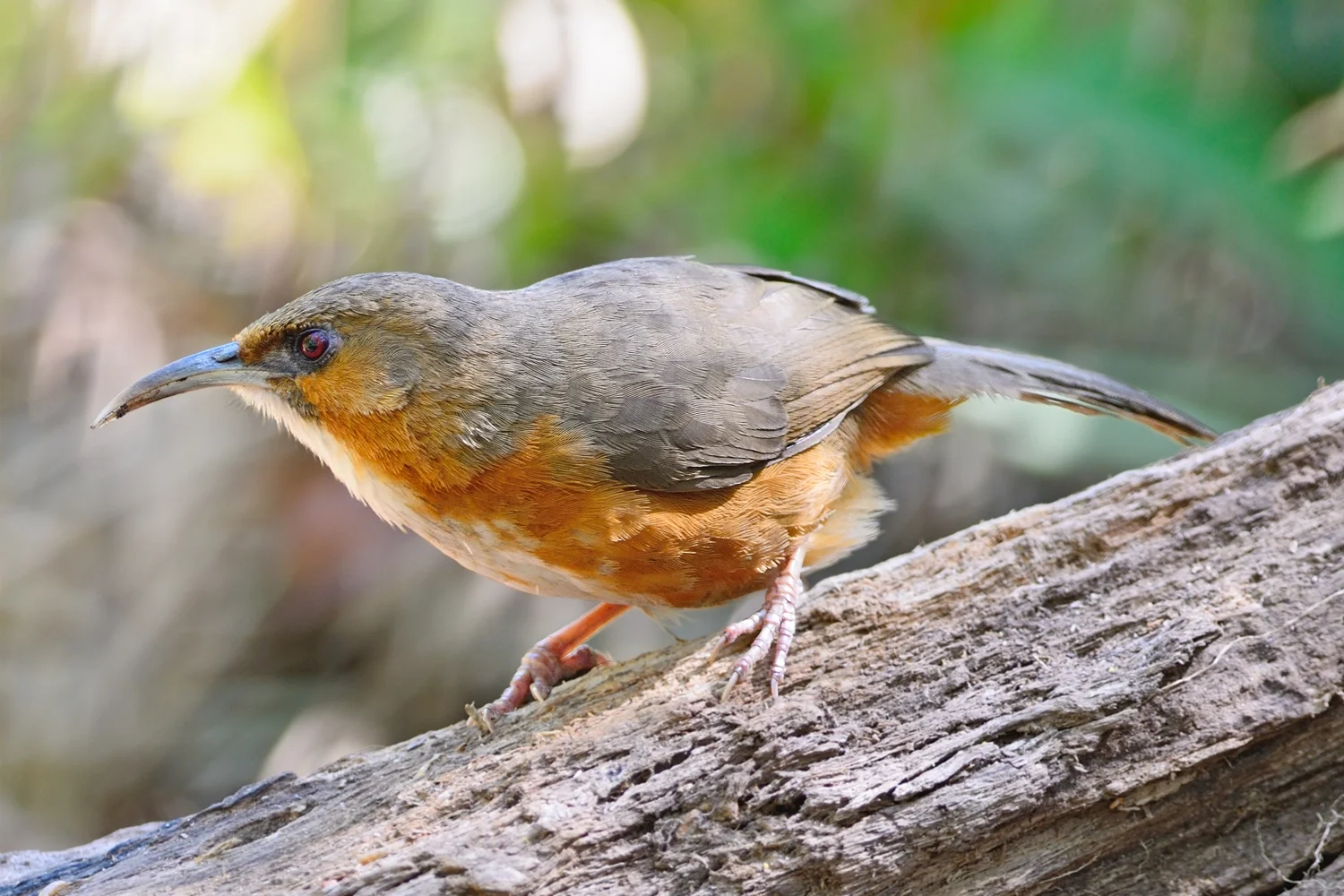
Ржавощекая кривоклювая тимелия (Erythrogenys erythrogenys) — интересный представитель семейства тимелиевых, известный своей характерной внешностью и вокальными данными. Эта певчая птица обитает преимущественно в предгорьях Гималаев и частях Юго-Восточной Азии. Будучи довольно скрытной, она отличается длинным изогнутым клювом, напоминающим ятаган, и яркими ржаво-коричневыми пятнами на щеках, которые выделяют ее среди других видов тимелий. Орнитологи и любители птиц ценят этот вид за сложное социальное поведение и важную роль в экосистемах густого подлеска лесов. Несмотря на то, что ржавощекая кривоклювая тимелия является относительно обычным обитателем своего ареала, встреча с ней считается удачей для бердвотчеров. О присутствии птицы часто сигнализирует громкий, мелодичный и повторяющийся крик, эхом разносящийся по густой листве. Изучение этого вида помогает исследователям лучше понять биоразнообразие азиатских горных лесов и эволюционные адаптации воробьинообразных птиц, живущих в различных высокогорных условиях.
Внешний вид
Имея размер от 22 до 26 см, ржавощекая кривоклювая тимелия — птица среднего размера с крепким телосложением. Ее оперение преимущественно оливково-коричневое, что обеспечивает отличную маскировку на фоне лесной подстилки и опавших листьев, где она проводит большую часть времени. Самая яркая физическая особенность — одноименное ржавое пятно на щеках, которое резко контрастирует с белым горлом и темным изогнутым клювом. Сам клюв длинный, загнутый вниз и светлого цвета, специально приспособлен для поиска добычи в расщелинах, коре и глубоком слое почвы. У птицы относительно длинный закругленный хвост и сильные ноги, необходимые для наземного и древесного образа жизни. Молодые особи часто имеют более тусклую окраску, но характерные отметины на лице сохраняются. Сочетание земных тонов и ярких ржаво-оранжевых акцентов делает этот вид визуально заметным, если его удается разглядеть в естественной среде обитания.
Среда обитания
Ржавощекая кривоклювая тимелия предпочитает пышные, влажные среды обитания, характерные для Гималаев и близлежащих горных хребтов. Обычно она встречается в широколиственных вечнозеленых лесах, дубравах и густых зарослях кустарника на высоте от 500 до 2500 метров. Птица отлично приспособлена к жизни в подлеске, выбирая места с густой запутанной растительностью, бамбуковыми зарослями и толстым слоем лесной подстилки. Она редко выбирается в зоны открытого полога, предпочитая темный, влажный нижний ярус, где может беспрепятственно кормиться. В зимние месяцы некоторые популяции могут спускаться на меньшие высоты, чтобы избежать сурового горного климата, но в целом они остаются в пределах лесных коридоров, обеспечивающих достаточное укрытие и защиту от хищников.
Рацион питания
Являясь оппортунистическим едоком, ржавощекая кривоклювая тимелия обладает разнообразным рационом, состоящим в основном из насекомых и мелких беспозвоночных. Используя свой специализированный длинный клюв в форме ятагана, птица исследует почву, гнилые бревна и толстую кору в поисках личинок, жуков, пауков и других мелких членистоногих. Это очень активный фуражир, которого часто можно увидеть отбрасывающим листья в сторону клювом, чтобы обнаружить скрытую добычу. Помимо питания насекомыми, этот вид также употребляет ягоды, семена и нектар, когда они доступны. Такой разнообразный рацион позволяет птице процветать в различных сезонных условиях, обеспечивая питание даже при колебаниях численности насекомых в течение года.
Размножение и гнездование
Размножение ржавощекой кривоклювой тимелии обычно происходит с апреля по август, что совпадает с пиком сезона муссонов, когда источники пищи наиболее изобильны. Эти птицы гнездятся поодиночке, сооружая большие куполообразные гнезда из веточек, мха и корней, выстланные более мягкими материалами, такими как сухая трава. Гнезда обычно хорошо спрятаны в густых колючих кустарниках, бамбуковых зарослях или на низких ветвях деревьев, часто близко к земле для безопасности. Самка откладывает от трех до пяти яиц, которые обычно имеют белый или бледно-голубой цвет с едва заметными отметинами. Оба родителя участвуют в процессе насиживания и последующем кормлении птенцов. Молодые птицы сильно зависят от родителей в течение нескольких недель после вылупления, обучаясь перемещаться в густом подлеске и добывать пищу, прежде чем стать полностью самостоятельными членами популяции.
Поведение
Ржавощекая кривоклювая тимелия известна своим застенчивым и любопытным характером. Хотя их часто слышно, их трудно заметить, так как они предпочитают безопасность густых зарослей. Они очень шумные, обладают репертуаром свистов и щебечущих звуков, которые часто используются для защиты территории или общения между партнерами. Этих птиц обычно видят парами или небольшими семейными группами, скрытно перемещающимися в подлеске. Они не совершают дальних миграций, предпочитая удерживать относительно небольшие постоянные домашние участки. Их движение характеризуется быстрыми прыжками, за которыми следуют периоды интенсивного поиска пищи, когда они тщательно обследуют лесную подстилку на наличие насекомых.
Природоохранный статус - LC Виды под наименьшей угрозой
В настоящее время ржавощекая кривоклювая тимелия классифицируется МСОП как вид, «вызывающий наименьшие опасения». Хотя численность популяции кажется стабильной, птица сталкивается с локальными угрозами, связанными в первую очередь с потерей среды обитания из-за вырубки лесов, расширения сельскохозяйственных угодий и деградации растительности подлеска в предгорьях Гималаев. Поскольку вид сильно зависит от густой, нетронутой лесной подстилки, любые значительные изменения структуры леса могут негативно сказаться на местных популяциях. Продолжение сохранения первичных лесных коридоров и защита среды обитания подлеска имеют решающее значение для обеспечения процветания этого уникального вида в пределах его естественного ареала.
Интересные факты
- Название «кривоклювая тимелия» (Scimitar-babbler) происходит от длинного изогнутого клюва, напоминающего ближневосточный меч — ятаган.
- Они довольно смелы при поиске пищи, часто переворачивая крупные листья в поисках насекомых.
- Ржавое пятно на щеке — это диагностический признак, используемый бердвотчерами, чтобы отличить их от других тимелий.
- Они преимущественно наземные птицы, но отлично передвигаются по запутанной вертикальной растительности.
- Их крики часто описывают как громкие, ритмичные и эхообразные, поэтому их легче услышать, чем увидеть.
- Они играют важную роль в здоровье леса, контролируя популяции насекомых в подлеске.
Советы для бердвотчеров
Чтобы успешно заметить ржавощекую кривоклювую тимелию, вашим главным активом станет терпение. Поскольку они предпочитают темный, густой подлесок, ищите их в местах с большим количеством опавшей листвы и бамбуковыми зарослями. Раннее утро — лучшее время для наблюдения, так как птицы наиболее активны и шумны в первые часы светового дня. Внимательно прислушивайтесь к их отчетливым, звенящим крикам, которые часто приводят к месту их нахождения. Как только услышите крик, оставайтесь совершенно неподвижными и избегайте резких движений, так как эти птицы по своей природе пугливы. Настоятельно рекомендуется использовать высококачественные бинокли с хорошими характеристиками для слабого освещения, так как большую часть времени они проводят в тени. Терпение и тишина в конечном итоге вознаградят вас возможностью увидеть этот скрытный и красивый вид.
Заключение
Ржавощекая кривоклювая тимелия — замечательный пример специализированной эволюции, идеально адаптированной к сложным условиям гималайского подлеска. Ее уникальные физические черты, такие как изогнутый, похожий на ятаган клюв и яркие ржавые отметины на щеках, делают ее интересным объектом для орнитологов и восхитительным вызовом для бердвотчеров. Понимая ее среду обитания, рацион и сложные модели поведения, мы глубже ценим сложную паутину жизни, существующую в высокогорных азиатских лесах. Защита густых кустарниковых сред, которые эта птица называет домом, жизненно важна не только для выживания ржавощекой кривоклювой тимелии, но и для общего здоровья экосистемы, которую она занимает. Независимо от того, являетесь ли вы опытным орнитологом или только начинаете исследовать чудеса мира птиц, встреча с этим видом в дикой природе — полезный опыт. Это служит напоминанием о скрытой красоте, найденной в тихих, затененных уголках нашего мира, подчеркивая важность сохранения биоразнообразия для будущих поколений. Благодаря постоянным наблюдениям и усилиям по сохранению мы можем гарантировать, что характерные, мелодичные крики этой тимелии будут эхом разноситься по горным лесам еще долгие годы.