
Introduction
The Little Blue Heron (Egretta caerulea) is a fascinating species of wading bird that captures the imagination of birdwatchers across the Americas. Belonging to the family Ardeidae, this medium-sized heron is known for its distinctive plumage and relatively calm demeanor compared to its more aggressive cousins. Unlike many other herons that are primarily white or grey, the adult Little Blue Heron possesses a deep, slate-blue coloration that can appear almost black under certain lighting conditions. These birds are primarily found in the southeastern United States, through Mexico, and down into South America, where they prefer the quiet, shallow waters of marshes, ponds, and coastal lagoons. Understanding the life cycle, behaviors, and ecological requirements of the Little Blue Heron provides a window into the health of our wetland ecosystems. As a specialized wader, this species plays a vital role in maintaining the balance of its aquatic environment, making it a subject of great interest for both amateur birding enthusiasts and serious ornithologists alike. Whether you are observing them stalking prey in a salt marsh or watching them fly with their characteristic slow, steady wingbeats, the Little Blue Heron remains a quintessential icon of the coastal landscape.
Physical Appearance
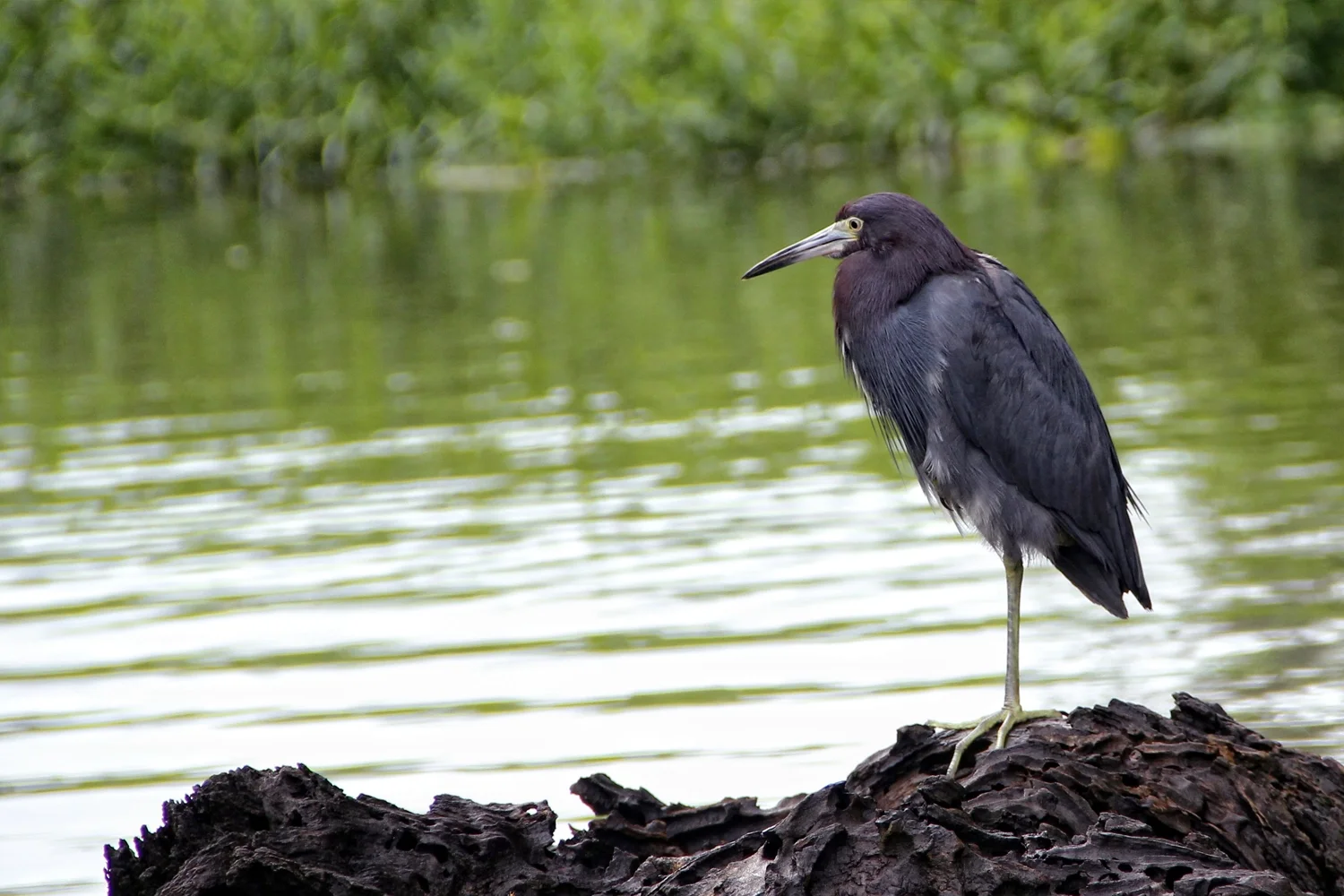
Measuring between 50 and 70 centimeters in length, the Little Blue Heron is a compact yet elegant wader. The most striking feature of the adult bird is its solid blue-grey plumage, which covers the majority of its body. However, the head and neck are marked by a deep, rich maroon or purple-brown hue, providing a subtle contrast that makes the bird easily identifiable. Their slender, two-toned bills are typically slate-grey at the base and transition to a sharp, black tip, which is perfectly adapted for their predatory lifestyle. During the breeding season, these birds undergo a subtle transformation, with the plumes on their head and neck becoming slightly elongated and more vibrant. Perhaps the most intriguing aspect of their appearance is their development; juvenile Little Blue Herons are entirely snowy white. This juvenile plumage is thought to be a form of mimicry, allowing young birds to integrate into flocks of Snowy Egrets, where they face less aggression and benefit from the protection and foraging cues provided by the larger groups. As they mature, they undergo a mottled transition phase, appearing 'patchy' with blue feathers slowly replacing the white, before finally reaching their full, stunning adult coloration.
Habitat
The Little Blue Heron is a highly specialized inhabitant of wetland environments. They are primarily found in coastal areas, including salt marshes, brackish ponds, and tidal flats. However, they are also frequently observed in freshwater habitats such as swamps, lakes, and inland marshes. These birds prefer areas with calm, shallow water where they can wade comfortably while hunting for prey. Vegetation is a crucial component of their habitat, as they rely on mangrove thickets, cattails, and other dense aquatic plants for nesting and cover. Because they are sensitive to water quality and habitat loss, the presence of these herons is often used as a biological indicator of healthy, thriving wetland ecosystems across their range.
Diet
As an opportunistic hunter, the Little Blue Heron feeds primarily on small fish, crustaceans, and aquatic insects. They are classic 'stalk-and-strike' predators, spending long periods standing perfectly still in shallow water, waiting for unsuspecting prey to drift within range. Once a target is identified, they strike with lightning speed, using their sharp bills to pin the prey. Their diet is highly variable depending on the season and the specific wetland environment they occupy. In addition to fish and shrimp, they may consume small amphibians, lizards, and even dragonflies or other large insects when they are abundant. Their ability to forage in both salt and fresh water gives them a significant competitive advantage in diverse coastal regions.
Breeding and Nesting
Breeding for the Little Blue Heron is a communal affair. These birds often nest in mixed-species colonies, frequently sharing space with other herons, egrets, and ibises. The nesting process typically takes place in trees or shrubs overhanging water, which provides a degree of safety from terrestrial predators. The male takes the lead in choosing the nesting site and performs elaborate courtship displays, including bill snapping and neck stretching, to attract a mate. Once a pair is formed, both parents contribute to building a platform nest constructed from sticks and twigs. They typically lay a clutch of three to five pale blue-green eggs. Both the male and female share the responsibility of incubating the eggs and feeding the altricial chicks, which remain in the nest for several weeks before fledging and learning to hunt on their own.
Behavior
The behavior of the Little Blue Heron is characterized by a deliberate and patient approach to life. Unlike the more frantic foraging styles of some other herons, the Little Blue is known for its slow, methodical movements. They are generally solitary hunters, often seen standing motionless for extended periods. However, they are social birds when it comes to nesting and roosting. During flight, they retract their necks into an 'S' shape, a classic posture for members of the heron family. They are relatively quiet birds, though they may emit croaking or squawking calls when agitated or during territorial disputes at nesting sites, particularly when defending their immediate space.
Conservation Status - LC Least Concern
The conservation status of the Little Blue Heron is currently listed as 'Least Concern' by the IUCN, but this does not mean they are immune to environmental threats. The primary challenge facing this species is the degradation and loss of wetland habitats. As human development continues to encroach upon coastal marshes and inland swamps, the nesting and foraging grounds of these birds are disappearing. Pollution, including agricultural runoff and plastic waste in waterways, also poses a significant risk. Continued monitoring and habitat restoration efforts are essential to ensure that these elegant waders remain a common sight in our wetlands for future generations to observe and enjoy.
Interesting Facts
- Juvenile Little Blue Herons are completely white, which helps them blend in with Snowy Egrets.
- They are one of the few heron species that do not have long, flowing 'aigrette' plumes during the breeding season.
- Their scientific name, Egretta caerulea, translates to 'blue egret.'
- They are known to hunt in both freshwater and saltwater environments with equal efficiency.
- The transition from white juvenile plumage to adult blue-grey feathers usually takes about one year.
- They are known to be surprisingly patient hunters, sometimes waiting for over twenty minutes for a single fish.
Tips for Birdwatchers
For birdwatchers hoping to spot a Little Blue Heron, patience is the ultimate key to success. Because these birds are stealthy hunters, you are most likely to see them by finding a quiet, shallow-water area and remaining still. Early morning and late afternoon are the best times for observation, as this is when the birds are most active in their foraging. Use high-quality binoculars or a spotting scope to observe them from a distance; if you approach too quickly, the heron will likely fly away. Look for the distinct 'S' shape of the neck in flight, and check mixed-species colonies, as you might see them nestled alongside other egrets. Pay close attention to the smaller, mottled individuals—they are the teenagers of the species, currently transitioning from their juvenile white to their adult blue-grey colors, which is a fascinating sight to document.
Conclusion
The Little Blue Heron is a remarkable example of nature's adaptability and beauty. From their striking transformation from snowy white juveniles to deep blue-grey adults, to their patient and precise hunting techniques, they offer endless fascination for those who appreciate the avian world. By inhabiting a variety of wetland ecosystems, they serve as a reminder of the vital importance of protecting our marshes, swamps, and coastal regions. Their presence is a testament to the health of the environment, and their survival is intrinsically linked to our commitment to conservation. For birdwatchers, they represent the reward of patience and the joy of observing a species that thrives in the quiet corners of our landscape. Whether you are a seasoned ornithologist or a casual backyard observer, spending time with the Little Blue Heron encourages a deeper connection with the natural world. As we continue to study and protect these elegant waders, we contribute to the preservation of the delicate ecosystems that support them. Let us continue to monitor their populations, advocate for the protection of their habitats, and share the wonders of this unique bird with others. The Little Blue Heron is not just a bird; it is a vital part of the tapestry of life in the Americas, and keeping them safe is a responsibility we all share.
