
Introduction
The Grey Heron (Ardea cinerea) is a majestic, long-legged predatory wading bird belonging to the heron family, Ardeidae. Native to temperate regions across Europe, Asia, and parts of Africa, this iconic bird is a staple of wetland ecosystems and is known for its patient hunting style.
Physical Appearance
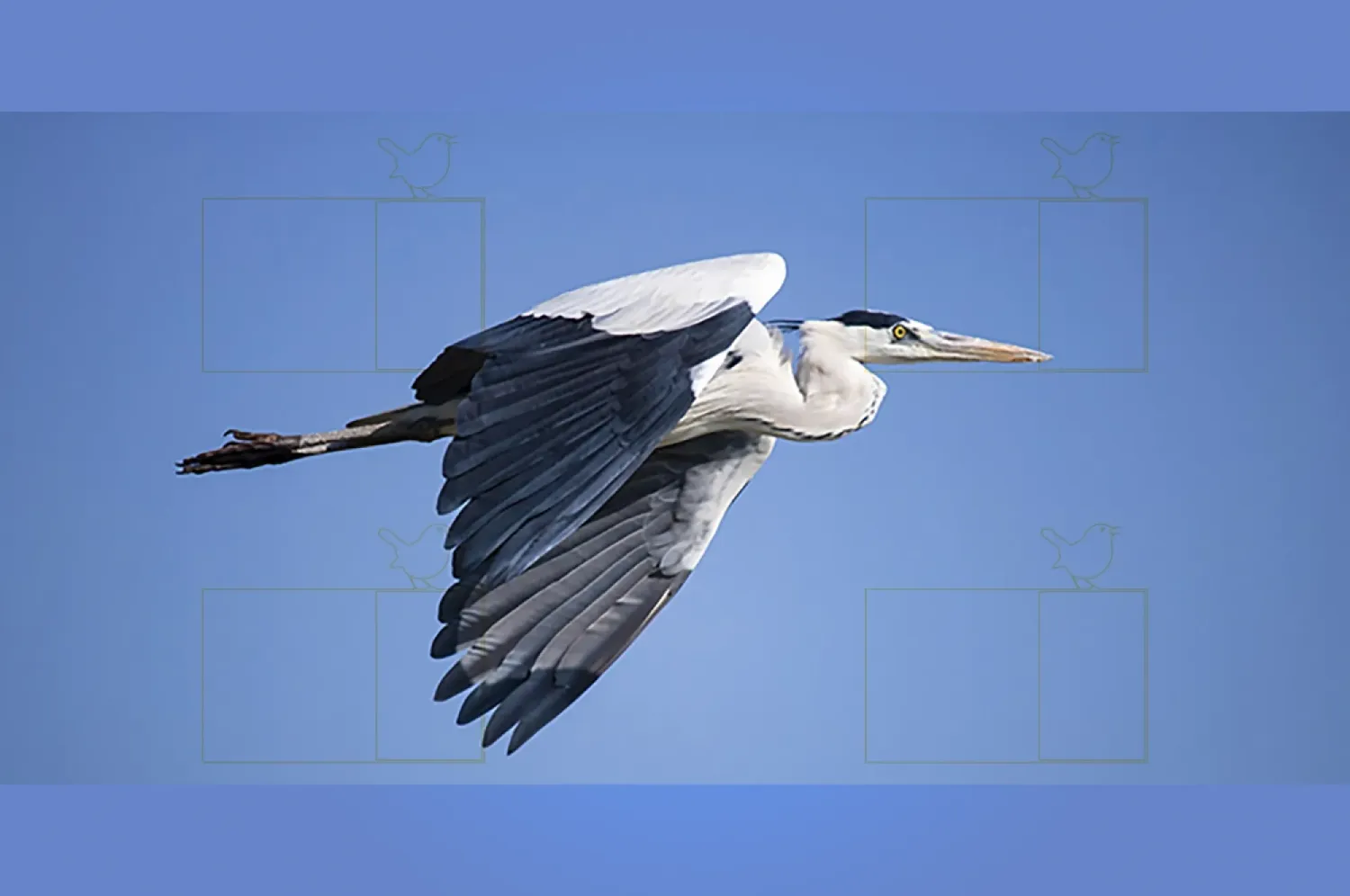
Standing between 90-98 cm tall and weighing 1 to 2 kg, the Grey Heron is a striking figure. It features a white head and neck characterized by a bold black stripe extending from the eye to its black crest. Its plumage is primarily grey on the body and wings, with greyish-white underparts and black accents on the flanks. It possesses a long, sharply pointed pinkish-yellow beak and sturdy brown legs.
Habitat
The Grey Heron is highly adaptable, inhabiting any watery environment with shallow margins for wading. Its range includes:
- Lowland lakes and reservoirs
- Rivers, marshes, ponds, and ditches
- Coastal lagoons, estuaries, and sea shores
- Mountain tarns
- Occasionally pastures and desert areas hunting for lizards
Diet
Using its powerful, dagger-like bill, the Grey Heron hunts a variety of prey in shallow water. Its diet is diverse and includes:
- Fish and amphibians
- Small mammals and insects
- Crustaceans
- Juvenile birds such as ducklings or water rails
Breeding and Nesting
Grey Herons breed colonially in locations known as heronries. They typically build large nests high in trees. A clutch usually consists of three to five bluish-green eggs, incubated by both parents for approximately 25 days. Both parents share the responsibility of feeding the chicks, which fledge at 7-8 weeks old.
Behavior
This bird is a patient hunter, often standing perfectly stationary or stalking slowly through shallows to surprise prey. While many are resident year-round in temperate zones, populations in northern regions are migratory, flying south during the autumn months to escape freezing waters.
Conservation Status - LC Least Concern
The Grey Heron has a wide distribution and a stable population, generally categorized as Least Concern. However, they remain dependent on the protection of wetland habitats and the availability of clean, unpolluted water sources.
Interesting Facts
- They can forage up to 20 km (12 mi) away from their nesting sites.
- Despite their large size, they are surprisingly light, weighing only up to 2 kg.
- They have been recorded in desert environments hunting for beetles and lizards.
- While many juveniles do not survive their first winter, those that do can live for about 5 years.
Tips for Birdwatchers
To spot a Grey Heron, visit local wetlands or riverbanks at dawn or dusk. Use binoculars to observe them from a distance, as they are easily spooked. Look for their characteristic 'S' shaped neck while in flight and their motionless, statue-like pose while hunting near the water's edge.
Conclusion
The Grey Heron is a fascinating and resilient predator that plays a vital role in wetland biodiversity. Its elegant silhouette and patient hunting techniques make it one of the most rewarding birds to observe for nature enthusiasts across the globe.
