
ಪರಿಚಯ
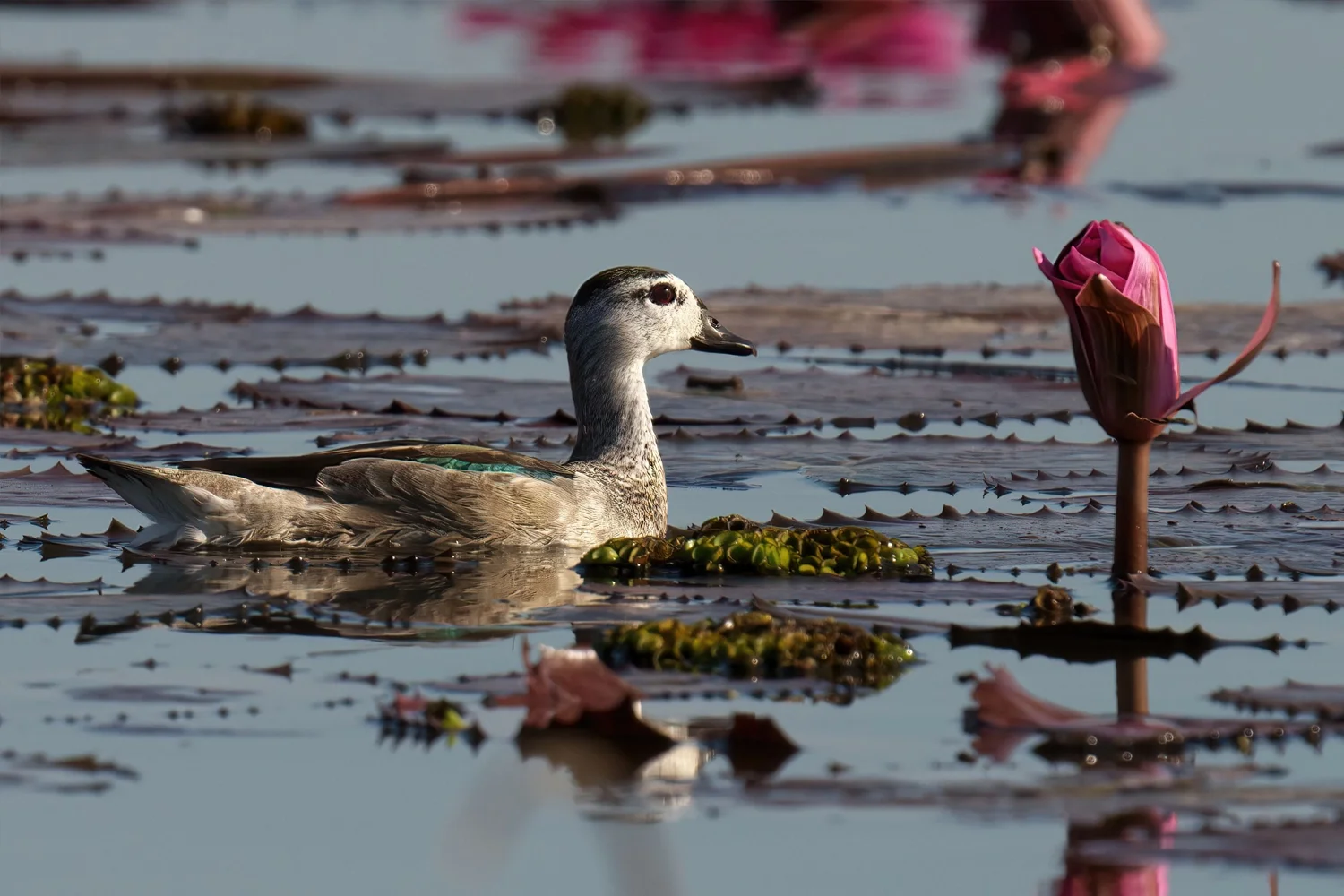
ಕಾಟನ್ ಪಿಗ್ಮಿ-ಗೂಸ್ (Nettapus coromandelianus) ಒಂದು ಆಕರ್ಷಕ ಜಾತಿಯ ಬಾತುಕೋಳಿಯಾಗಿದ್ದು, ಇದು ಪ್ರಪಂಚದ ಅತಿ ಚಿಕ್ಕ ಜಲಪಕ್ಷಿಗಳಲ್ಲಿ ಒಂದಾಗಿದೆ. ಇದರ ಹೆಸರಿನಲ್ಲಿ 'ಗೂಸ್' (ಗೂಬೆ ಅಥವಾ ಬಾತು ಎಂದು ಅರ್ಥೈಸಿದರೂ) ಇದ್ದರೂ, ಇದು ಜೀವಶಾಸ್ತ್ರೀಯವಾಗಿ ಬಾತುಕೋಳಿ ಕುಟುಂಬಕ್ಕೆ ಸೇರಿದೆ. ಈ ಚಿಕ್ಕ ಮತ್ತು ಆಕರ್ಷಕ ಪಕ್ಷಿಯು ದಕ್ಷಿಣ ಮತ್ತು ಆಗ್ನೇಯ ಏಷ್ಯಾದಾದ್ಯಂತ ಕಂಡುಬರುತ್ತದೆ, ಇದು ತನ್ನ ವರ್ಣರಂಜಿತ ಗರಿಗಳು ಮತ್ತು ವಿಶಿಷ್ಟ ಜಲಚರ ಜೀವನಶೈಲಿಯಿಂದ ಪಕ್ಷಿ ವೀಕ್ಷಕರನ್ನು ಸೆಳೆಯುತ್ತದೆ.
ದೈಹಿಕ ನೋಟ
26-33 ಸೆಂ.ಮೀ ಉದ್ದವಿರುವ ಕಾಟನ್ ಪಿಗ್ಮಿ-ಗೂಸ್ ಗಾತ್ರದಲ್ಲಿ ತುಂಬಾ ಚಿಕ್ಕದಾಗಿದೆ. ಇದರ ಮುಖ್ಯ ಬಣ್ಣ ಬಿಳಿ, ಇದು ಅದರ ಹಸಿರು ಬಣ್ಣದ ರೆಕ್ಕೆಗಳು ಮತ್ತು ಬೆನ್ನಿನ ಭಾಗದೊಂದಿಗೆ ಸುಂದರವಾಗಿ ಹೊಂದಿಕೊಳ್ಳುತ್ತದೆ. ಸಂತಾನೋತ್ಪತ್ತಿಯ ಸಮಯದಲ್ಲಿ ಗಂಡು ಪಕ್ಷಿಗಳು ಕಪ್ಪು-ಹಸಿರು ಬಣ್ಣದ ತಲೆ ಮತ್ತು ಕುತ್ತಿಗೆಯ ಮೇಲೆ ಕಪ್ಪು ಪಟ್ಟಿಯನ್ನು ಹೊಂದಿದ್ದರೆ, ಹೆಣ್ಣು ಪಕ್ಷಿಗಳು ಸಾಮಾನ್ಯವಾಗಿ ಮಂದ ಬಣ್ಣದ್ದಾಗಿರುತ್ತವೆ ಮತ್ತು ಕಂದು-ಬೂದು ಬಣ್ಣದ ತಲೆ ಮತ್ತು ಅಸ್ಪಷ್ಟ ಕಣ್ಣಿನ ಪಟ್ಟಿಯನ್ನು ಹೊಂದಿರುತ್ತವೆ.
ನೈಸರ್ಗಿಕ ವಾಸಸ್ಥಾನ
ಈ ಪಕ್ಷಿಗಳು ಹೇರಳವಾಗಿ ಸಸ್ಯವರ್ಗವಿರುವ ಸಿಹಿನೀರಿನ ಪರಿಸರವನ್ನು ಬಯಸುತ್ತವೆ. ಇವುಗಳನ್ನು ಸಾಮಾನ್ಯವಾಗಿ ಇಲ್ಲಿ ಕಾಣಬಹುದು:
- ದೊಡ್ಡ, ಶಾಶ್ವತವಾದ ಸಿಹಿನೀರಿನ ಸರೋವರಗಳು
- ಸಸ್ಯವರ್ಗವಿರುವ ಕೊಳಗಳು ಮತ್ತು ಟ್ಯಾಂಕ್ಗಳು
- ನಿಧಾನವಾಗಿ ಹರಿಯುವ ನದಿಗಳು ಮತ್ತು ಜೌಗು ಪ್ರದೇಶಗಳು
- ನೀರು ತುಂಬಿದ ಭತ್ತದ ಗದ್ದೆಗಳು
ಆಹಾರ ಕ್ರಮ
ಕಾಟನ್ ಪಿಗ್ಮಿ-ಗೂಸ್ ಮುಖ್ಯವಾಗಿ ಸಸ್ಯಾಹಾರಿ. ಇದರ ಆಹಾರವು ಹೆಚ್ಚಾಗಿ ಹೀಗಿರುತ್ತದೆ:
- ಜಲಸಸ್ಯಗಳು ಮತ್ತು ನೀರಿನಲ್ಲಿ ಮುಳುಗಿರುವ ಸಸ್ಯವರ್ಗ
- ನೀರಿನ ಲಿಲ್ಲಿಗಳು ಮತ್ತು ಹುಲ್ಲುಗಳ ಬೀಜಗಳು
- ಅಪರೂಪಕ್ಕೆ ಸಣ್ಣ ಜಲಚರ ಕೀಟಗಳು ಅಥವಾ ಕಠಿಣಚರ್ಮಿಗಳು
ಸಂತಾನೋತ್ಪತ್ತಿ ಮತ್ತು ಗೂಡುಕಟ್ಟುವಿಕೆ
ಇತರ ಬಾತುಕೋಳಿಗಳಿಗಿಂತ ಭಿನ್ನವಾಗಿ, ಕಾಟನ್ ಪಿಗ್ಮಿ-ಗೂಸ್ ಮರದ ಪೊಟರೆಗಳಲ್ಲಿ ಗೂಡು ಕಟ್ಟುವ ಪಕ್ಷಿ. ಇವು ಸಾಮಾನ್ಯವಾಗಿ ನೀರಿನ ಹತ್ತಿರವಿರುವ ಮರದ ಟೊಳ್ಳುಗಳಲ್ಲಿ ಮೊಟ್ಟೆಗಳನ್ನು ಇಡುತ್ತವೆ. ಕೆಲವೊಮ್ಮೆ, ಇವು ಇತರ ಪಕ್ಷಿಗಳ ಕೈಬಿಟ್ಟ ಗೂಡುಗಳನ್ನು ಅಥವಾ ಮನುಷ್ಯ ನಿರ್ಮಿತ ರಚನೆಗಳ ಬಿರುಕುಗಳನ್ನು ಸಹ ಬಳಸಿಕೊಳ್ಳಬಹುದು.
ನಡವಳಿಕೆ
ಈ ಪಕ್ಷಿಗಳು ಸಂಪೂರ್ಣವಾಗಿ ಜಲಚರಗಳಾಗಿದ್ದು, ಅಪರೂಪಕ್ಕೆ ಮಾತ್ರ ಭೂಮಿಗೆ ಬರುತ್ತವೆ. ಇವು ವೇಗವಾಗಿ ಹಾರಬಲ್ಲವು ಮತ್ತು ಸಾಮಾನ್ಯವಾಗಿ ಸಣ್ಣ ಗುಂಪುಗಳಲ್ಲಿ ಅಥವಾ ಜೋಡಿಯಾಗಿ ಕಂಡುಬರುತ್ತವೆ. ಇವುಗಳ ವೇಗದ ರೆಕ್ಕೆ ಬಡಿತ ಮತ್ತು ತೊಂದರೆಗೊಳಗಾದಾಗ ನೀರಿನ ಮೇಲ್ಮೈಯಿಂದ ತಕ್ಷಣವೇ ಹಾರುವ ಸಾಮರ್ಥ್ಯಕ್ಕೆ ಹೆಸರುವಾಸಿಯಾಗಿವೆ.
ಸಂರಕ್ಷಣಾ ಸ್ಥಿತಿ - LC ಕಡಿಮೆ ಆತಂಕ
ಕಾಟನ್ ಪಿಗ್ಮಿ-ಗೂಸ್ ಪ್ರಸ್ತುತ IUCN ನಿಂದ ಕಡಿಮೆ ಅಪಾಯಕ್ಕೊಳಗಾದ (Least Concern) ಪ್ರಭೇದವೆಂದು ವರ್ಗೀಕರಿಸಲ್ಪಟ್ಟಿದೆ. ಇವುಗಳ ಸಂಖ್ಯೆ ಸ್ಥಿರವಾಗಿದ್ದರೂ, ಆವಾಸಸ್ಥಾನ ನಾಶ, ಜೌಗು ಪ್ರದೇಶಗಳ ಒಣಗುವಿಕೆ ಮತ್ತು ಆಹಾರ ಹುಡುಕುವ ಕೃಷಿ ಭೂಮಿಗಳಲ್ಲಿ ಕೀಟನಾಶಕಗಳ ಬಳಕೆಯಿಂದ ಇವುಗಳಿಗೆ ಬೆದರಿಕೆ ಇದೆ.
ಆಸಕ್ತಿದಾಯಕ ಸಂಗತಿಗಳು
- ಇದು ಪ್ರಪಂಚದ ಅತಿ ಚಿಕ್ಕ ಬಾತುಕೋಳಿ ಪ್ರಭೇದಗಳಲ್ಲಿ ಒಂದೆಂದು ಪರಿಗಣಿಸಲ್ಪಟ್ಟಿದೆ.
- 'ಕಾಟನ್' ಎಂಬ ಹೆಸರು ಈ ಪಕ್ಷಿಯ ಬಿಳಿ ಬಣ್ಣದ ಗರಿಗಳಿಗೆ ಸಂಬಂಧಿಸಿದೆ.
- ಸಂತಾನೋತ್ಪತ್ತಿಯ ಸಮಯದಲ್ಲಿ ಇವು ಹೆಚ್ಚು ಸದ್ದು ಮಾಡುತ್ತವೆ, ಗಂಡು ಪಕ್ಷಿಗಳು ವಿಶಿಷ್ಟವಾದ, ತೀಕ್ಷ್ಣವಾದ ಸೀಟಿ ಹೊಡೆಯುವ ಶಬ್ದವನ್ನು ಮಾಡುತ್ತವೆ.
- ಇವು ತಮ್ಮ ಬಹುತೇಕ ಜೀವನವನ್ನು ನೀರಿನಲ್ಲೇ ಕಳೆಯುತ್ತವೆ, ಗೂಡು ಕಟ್ಟಲು ಮಾತ್ರ ಭೂಮಿಗೆ ಬರುತ್ತವೆ.
ಪಕ್ಷಿ ವೀಕ್ಷಕರಿಗೆ ಸಲಹೆಗಳು
ಕಾಟನ್ ಪಿಗ್ಮಿ-ಗೂಸ್ ಅನ್ನು ನೋಡಲು, ಮುಂಜಾನೆ ಅಥವಾ ಸಂಜೆಯ ಸಮಯದಲ್ಲಿ ಶಾಂತವಾದ, ಸಸ್ಯವರ್ಗವಿರುವ ಜೌಗು ಪ್ರದೇಶಗಳಿಗೆ ಭೇಟಿ ನೀಡಿ. ಇವು ನಾಚಿಕೆ ಸ್ವಭಾವದವುಗಳಾಗಿರುವುದರಿಂದ, ಬೈನಾಕ್ಯುಲರ್ ಅಥವಾ ಸ್ಪಾಟಿಂಗ್ ಸ್ಕೋಪ್ ಬಳಸುವುದು ಉತ್ತಮ. ಇವು ನೀರಿನ ಲಿಲ್ಲಿಗಳ ನಡುವೆ ಅಥವಾ ದಟ್ಟವಾದ ಹುಲ್ಲಿನ ಅಂಚಿನಲ್ಲಿ ಅಡಗಿಕೊಂಡಿರುವುದನ್ನು ಗಮನಿಸಿ.
ತೀರ್ಮಾನ
ಕಾಟನ್ ಪಿಗ್ಮಿ-ಗೂಸ್ ಏಷ್ಯಾದ ಜೌಗು ಪ್ರದೇಶಗಳಲ್ಲಿ ಕಂಡುಬರುವ ಜೀವವೈವಿಧ್ಯದ ಸಂಕೇತವಾಗಿದೆ. ಇದರ ಸಣ್ಣ ಗಾತ್ರ ಮತ್ತು ಆರೋಗ್ಯಕರ ಜಲ ಪರಿಸರ ವ್ಯವಸ್ಥೆಯ ಮೇಲಿನ ಅವಲಂಬನೆಯು ಜೌಗು ಪ್ರದೇಶಗಳ ಆರೋಗ್ಯವನ್ನು ಸೂಚಿಸುವ ಪ್ರಮುಖ ಪ್ರಭೇದವನ್ನಾಗಿ ಮಾಡಿದೆ. ಪಕ್ಷಿ ಪ್ರೇಮಿಗಳಿಗೆ, ಈ ಚಿಕ್ಕ ಬಾತುಕೋಳಿಯನ್ನು ಅದರ ನೈಸರ್ಗಿಕ ಆವಾಸಸ್ಥಾನದಲ್ಲಿ ನೋಡುವುದು ಪ್ರಕೃತಿಯ ಸಣ್ಣ ಜೀವಿಗಳ ಸೌಂದರ್ಯವನ್ನು ಸವಿಯುವ ಒಂದು ಅದ್ಭುತ ಅನುಭವವಾಗಿದೆ.