
ಪರಿಚಯ
ರೆಡ್-ಟೈಲ್ಡ್ ಟ್ರಾಪಿಕ್ ಬರ್ಡ್ (ಫೆಥೋನ್ ರುಬ್ರಿಕಾಡಾ) ಒಂದು ಭವ್ಯವಾದ ಮತ್ತು ಹೆಚ್ಚು ವಿಶೇಷವಾದ ಸಮುದ್ರ ಪಕ್ಷಿಯಾಗಿದ್ದು, ತನ್ನ ಆಕರ್ಷಕ ರೂಪ ಮತ್ತು ಅಸಾಧಾರಣ ವೈಮಾನಿಕ ಸಾಮರ್ಥ್ಯಕ್ಕೆ ಹೆಸರುವಾಸಿಯಾಗಿದೆ. ಉಷ್ಣವಲಯದ ಸಾಗರಗಳ ವಿಶಾಲ ಪ್ರದೇಶಗಳಲ್ಲಿ ಹೆಚ್ಚಾಗಿ ಕಂಡುಬರುವ ಈ ಪ್ರಭೇದವು, ತನ್ನ ಜೀವನದ ಹೆಚ್ಚಿನ ಸಮಯವನ್ನು ಭೂಮಿಯಿಂದ ದೂರದಲ್ಲಿ ಕಳೆಯುವ ಪೆಲಾಜಿಕ್ ಪಕ್ಷಿ ಜೀವನದ ಅತ್ಯುತ್ತಮ ಪ್ರತಿನಿಧಿಯಾಗಿದೆ.
ದೈಹಿಕ ನೋಟ
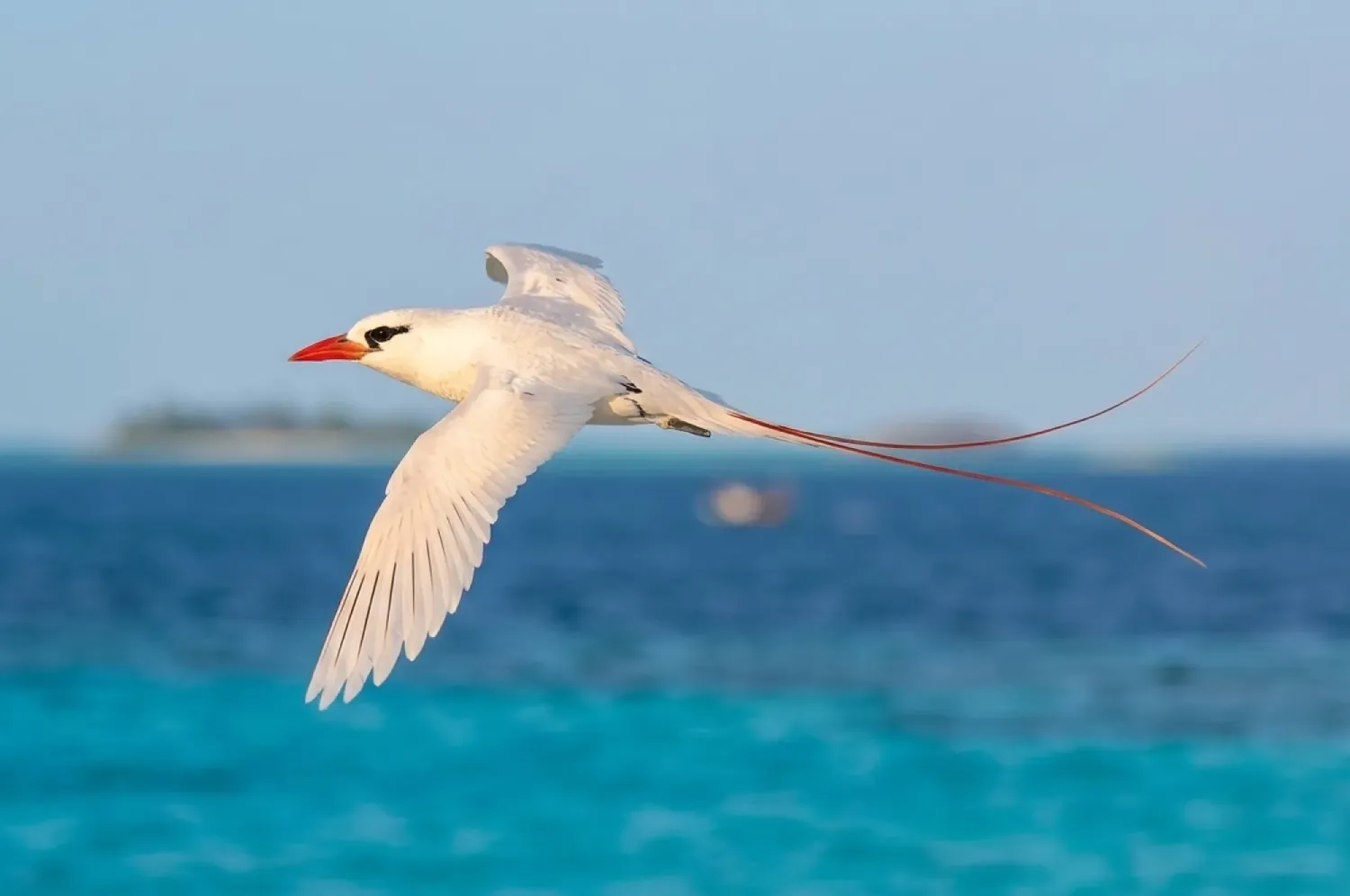
ರೆಡ್-ಟೈಲ್ಡ್ ಟ್ರಾಪಿಕ್ ಬರ್ಡ್ ಮಧ್ಯಮ ಗಾತ್ರದ ಸಮುದ್ರ ಪಕ್ಷಿಯಾಗಿದ್ದು, 95-104 ಸೆಂ.ಮೀ ಉದ್ದವಿರುತ್ತದೆ. ಇದರ ಉದ್ದನೆಯ ಬಾಲದ ಈಕಗಳು ಇದರ ಉದ್ದವನ್ನು ಹೆಚ್ಚಿಸುತ್ತವೆ. ಪಕ್ಷಿಯ ಗರಿಗಳು ಹೆಚ್ಚಾಗಿ ಬಿಳಿ ಬಣ್ಣದ್ದಾಗಿದ್ದು, ಕೆಲವೊಮ್ಮೆ ತಿಳಿ ಗುಲಾಬಿ ಬಣ್ಣದ ಛಾಯೆಯನ್ನು ಹೊಂದಿರುತ್ತವೆ. ಇದರ ಅತ್ಯಂತ ಪ್ರಮುಖ ಲಕ್ಷಣವೆಂದರೆ ಹಾರಾಟದ ಸಮಯದಲ್ಲಿ ಸೊಗಸಾಗಿ ಹಿಂದೆ ಬೀಳುವ ಇದರ ಪ್ರಕಾಶಮಾನವಾದ ಕೆಂಪು ಬಣ್ಣದ ಮಧ್ಯದ ಬಾಲದ ಈಕಗಳು. ಇದು ಬಲವಾದ, ಕೆಂಪು ಬಣ್ಣದ ಕೊಕ್ಕು ಮತ್ತು ಕಣ್ಣಿನ ಸುತ್ತ ಕಪ್ಪು ಬಣ್ಣದ ಪಟ್ಟಿಯನ್ನು ಹೊಂದಿದೆ.
ನೈಸರ್ಗಿಕ ವಾಸಸ್ಥಾನ
ಈ ಪ್ರಭೇದವು ಹಿಂದೂ ಮಹಾಸಾಗರ ಮತ್ತು ಪೆಸಿಫಿಕ್ ಸಾಗರಗಳ ಉಷ್ಣವಲಯದ ಪ್ರದೇಶಗಳಲ್ಲಿ ವ್ಯಾಪಕವಾಗಿ ಹರಡಿದೆ. ಇವು ಕಟ್ಟುನಿಟ್ಟಾಗಿ ಪೆಲಾಜಿಕ್ ಅಂದರೆ, ತಮ್ಮ ಜೀವನದ ಹೆಚ್ಚಿನ ಸಮಯವನ್ನು ತೆರೆದ ನೀರಿನ ಮೇಲೆ ಹಾರುತ್ತಾ ಕಳೆಯುತ್ತವೆ. ಇವು ಸಂತಾನೋತ್ಪತ್ತಿಗಾಗಿ ಮಾತ್ರ ಭೂಮಿಗೆ ಮರಳುತ್ತವೆ, ಸಾಮಾನ್ಯವಾಗಿ ದೂರದ ಸಾಗರ ದ್ವೀಪಗಳು, ಬಂಡೆಯ ಕಡಿದಾದ ಪ್ರದೇಶಗಳು ಅಥವಾ ಅಟಾಲ್ಗಳನ್ನು ಆರಿಸಿಕೊಳ್ಳುತ್ತವೆ.
ಆಹಾರ ಕ್ರಮ
ರೆಡ್-ಟೈಲ್ಡ್ ಟ್ರಾಪಿಕ್ ಬರ್ಡ್ನ ಆಹಾರವು ಮುಖ್ಯವಾಗಿ ಮೇಲ್ಮೈಯಲ್ಲಿ ವಾಸಿಸುವ ಸಮುದ್ರ ಜೀವಿಗಳನ್ನು ಒಳಗೊಂಡಿದೆ. ಇವು ನುರಿತ ಬೇಟೆಗಾರರಾಗಿದ್ದು, ಈ ಕೆಳಗಿನವುಗಳನ್ನು ಬೇಟೆಯಾಡುತ್ತವೆ:
- ಹಾರುವ ಮೀನುಗಳು
- ಸ್ಕ್ವಿಡ್
- ಸಣ್ಣ ಕ್ರಸ್ಟಸಿಯನ್ಸ್ (ಚಿಪ್ಪು ಜೀವಿಗಳು)
ಇವು ಗಾಳಿಯಿಂದ ನೀರಿಗೆ ಧುಮುಕುವ ಮೂಲಕ ತಮ್ಮ ಬೇಟೆಯನ್ನು ಹಿಡಿಯುತ್ತವೆ, ನೀರಿನ ಮೇಲ್ಮೈ ಬಳಿ ಮೀನುಗಳನ್ನು ಹಿಡಿಯಲು ತಮ್ಮ ಮೊನಚಾದ ಕೊಕ್ಕುಗಳನ್ನು ಬಳಸುತ್ತವೆ.
ಸಂತಾನೋತ್ಪತ್ತಿ ಮತ್ತು ಗೂಡುಕಟ್ಟುವಿಕೆ
ರೆಡ್-ಟೈಲ್ಡ್ ಟ್ರಾಪಿಕ್ ಬರ್ಡ್ಗಳು ಸಂಕೀರ್ಣವಾದ ಗೂಡುಗಳನ್ನು ನಿರ್ಮಿಸುವುದಿಲ್ಲ. ಬದಲಾಗಿ, ಇವು ಸಸ್ಯಗಳ ನೆರಳಿನಲ್ಲಿ ಅಥವಾ ಕಡಿದಾದ ಬಂಡೆಯ ಬಿರುಕುಗಳಲ್ಲಿ ನೆಲದ ಮೇಲೆ ಒಂದೇ ಮೊಟ್ಟೆಯನ್ನು ಇಡುತ್ತವೆ. ಮೊಟ್ಟೆಯನ್ನು ಕಾಪಾಡುವ ಮತ್ತು ಮರಿಗಳಿಗೆ ಆಹಾರ ನೀಡುವ ಜವಾಬ್ದಾರಿಯನ್ನು ತಂದೆ ಮತ್ತು ತಾಯಿ ಪಕ್ಷಿಗಳು ಹಂಚಿಕೊಳ್ಳುತ್ತವೆ. ಇತರ ಸಮುದ್ರ ಪಕ್ಷಿಗಳಿಗೆ ಹೋಲಿಸಿದರೆ ಮರಿಗಳು ಗೂಡಿನಲ್ಲಿ ದೀರ್ಘಕಾಲ ಉಳಿಯುತ್ತವೆ.
ನಡವಳಿಕೆ
ಈ ಪಕ್ಷಿಗಳು ತಮ್ಮ ಅದ್ಭುತವಾದ ಆಕರ್ಷಣೆಯ ಪ್ರದರ್ಶನಗಳಿಗೆ ಹೆಸರುವಾಸಿಯಾಗಿವೆ, ಇದರಲ್ಲಿ ಸಮನ್ವಯದ ಹಾರಾಟದ ಮಾದರಿಗಳು ಮತ್ತು ಸುಂದರವಾದ ವೈಮಾನಿಕ ಕಸರತ್ತುಗಳು ಸೇರಿವೆ. ಇವು ಶಕ್ತಿಶಾಲಿ ಹಾರುವ ಪಕ್ಷಿಗಳಾಗಿದ್ದರೂ, ಇವುಗಳ ಕಾಲುಗಳು ದೇಹದ ಹಿಂಭಾಗದಲ್ಲಿ ಇರುವುದರಿಂದ ಇವುಗಳಿಗೆ ಭೂಮಿಯ ಮೇಲೆ ನಡೆಯುವುದು ಕಷ್ಟಕರವಾಗಿದೆ. ಈ ಶಾರೀರಿಕ ರಚನೆಯು ಈಜಲು ಮತ್ತು ಧುಮುಕಲು ಅನುಕೂಲಕರವಾಗಿದೆ.
ಸಂರಕ್ಷಣಾ ಸ್ಥಿತಿ - LC ಕಡಿಮೆ ಆತಂಕ
ರೆಡ್-ಟೈಲ್ಡ್ ಟ್ರಾಪಿಕ್ ಬರ್ಡ್ ಪ್ರಸ್ತುತ IUCN ನಿಂದ ಕಡಿಮೆ ಕಾಳಜಿ (Least Concern) ಎಂದು ವರ್ಗೀಕರಿಸಲ್ಪಟ್ಟಿದೆ. ಆದಾಗ್ಯೂ, ಇಲಿಗಳು ಮತ್ತು ಬೆಕ್ಕುಗಳಂತಹ ಆಕ್ರಮಣಕಾರಿ ಪರಭಕ್ಷಕಗಳು, ಆವಾಸಸ್ಥಾನ ನಾಶ ಮತ್ತು ಅತಿಯಾದ ಮೀನುಗಾರಿಕೆಯಿಂದ ಸ್ಥಳೀಯ ಮೀನು ಸಂಪನ್ಮೂಲಗಳ ಕೊರತೆಯಿಂದ ಇವುಗಳ ಸಂಖ್ಯೆ ಇನ್ನೂ ಅಪಾಯದಲ್ಲಿದೆ.
ಆಸಕ್ತಿದಾಯಕ ಸಂಗತಿಗಳು
- ಉದ್ದನೆಯ, ಕೆಂಪು ಬಾಲದ ಈಕಗಳನ್ನು ಐತಿಹಾಸಿಕವಾಗಿ ಪೆಸಿಫಿಕ್ ದ್ವೀಪ ಸಂಸ್ಕೃತಿಗಳಲ್ಲಿ ಸಾಂಪ್ರದಾಯಿಕ ಅಲಂಕಾರಿಕ ವಸ್ತುಗಳಾಗಿ ಬಳಸಲಾಗುತ್ತಿತ್ತು.
- ಇವು ಸಂತಾನೋತ್ಪತ್ತಿ ಕಾಲವನ್ನು ಹೊರತುಪಡಿಸಿ, ಹಲವು ವರ್ಷಗಳ ಕಾಲ ಭೂಮಿಯನ್ನು ಮುಟ್ಟದೆ ಸಮುದ್ರದಲ್ಲಿಯೇ ಇರಬಲ್ಲವು.
- ಇತರ ಸಮುದ್ರ ಪಕ್ಷಿಗಳಿಗಿಂತ ಭಿನ್ನವಾಗಿ, ಇವು ದೊಡ್ಡ ವಸಾಹತುಗಳನ್ನು ರೂಪಿಸುವುದಿಲ್ಲ, ಬದಲಾಗಿ ಏಕಾಂಗಿಯಾಗಿ ಅಥವಾ ಸಣ್ಣ ಗುಂಪುಗಳಲ್ಲಿ ಗೂಡು ಕಟ್ಟುತ್ತವೆ.
- ವಯಸ್ಕ ಪಕ್ಷಿಯ ಕೆಂಪು ಕೊಕ್ಕು ಇತರ ಟ್ರಾಪಿಕ್ ಬರ್ಡ್ ಪ್ರಭೇದಗಳಲ್ಲಿ ಕಂಡುಬರುವ ಕಪ್ಪು ಅಥವಾ ಹಳದಿ ಕೊಕ್ಕುಗಳಿಗೆ ವ್ಯತಿರಿಕ್ತವಾಗಿದೆ.
ಪಕ್ಷಿ ವೀಕ್ಷಕರಿಗೆ ಸಲಹೆಗಳು
ರೆಡ್-ಟೈಲ್ಡ್ ಟ್ರಾಪಿಕ್ ಬರ್ಡ್ ಅನ್ನು ನೋಡಲು ಬಯಸುವ ಪಕ್ಷಿ ವೀಕ್ಷಕರಿಗೆ ತಾಳ್ಮೆ ಮತ್ತು ಸರಿಯಾದ ಸ್ಥಳ ಮುಖ್ಯ. ನೀವು ಕಡಲತೀರದಿಂದ ದೂರದ ಆಳ ಸಮುದ್ರದ ಪೆಲಾಜಿಕ್ ಬರ್ಡಿಂಗ್ ಪ್ರವಾಸ ಕೈಗೊಳ್ಳಬೇಕಾಗುತ್ತದೆ. ಉತ್ತಮ ಗುಣಮಟ್ಟದ ಬೈನಾಕ್ಯುಲರ್ ಬಳಸಿ ದಿಗಂತವನ್ನು ಗಮನಿಸಿ, ಏಕೆಂದರೆ ಈ ಪಕ್ಷಿಗಳು ಸಾಗರದ ಮೇಲೆ ಎತ್ತರದಲ್ಲಿ ಹಾರುತ್ತಿರುವುದು ಕಂಡುಬರುತ್ತದೆ. ಸಂತಾನೋತ್ಪತ್ತಿ ಕಾಲದಲ್ಲಿ ತಿಳಿದಿರುವ ಗೂಡುಕಟ್ಟುವ ಪ್ರದೇಶಗಳಿರುವ ದೂರದ ಉಷ್ಣವಲಯದ ದ್ವೀಪಗಳಿಗೆ ಭೇಟಿ ನೀಡುವುದು ಉತ್ತಮ.
ತೀರ್ಮಾನ
ರೆಡ್-ಟೈಲ್ಡ್ ಟ್ರಾಪಿಕ್ ಬರ್ಡ್ ಪಕ್ಷಿ ಪ್ರಪಂಚದ ಒಂದು ಅದ್ಭುತವಾಗಿದೆ, ಇದು ಉಷ್ಣವಲಯದ ಸಮುದ್ರಗಳ ಮೇಲೆ ನಿರಂತರ ಹಾರಾಟದ ಜೀವನಕ್ಕೆ ಸಂಪೂರ್ಣವಾಗಿ ಹೊಂದಿಕೊಂಡಿದೆ. ಅವುಗಳ ವಿಶಿಷ್ಟ ಜೀವಶಾಸ್ತ್ರವನ್ನು ಅರ್ಥಮಾಡಿಕೊಳ್ಳುವ ಮೂಲಕ ಮತ್ತು ಅವುಗಳ ದೂರದ ಆವಾಸಸ್ಥಾನಗಳನ್ನು ಗೌರವಿಸುವ ಮೂಲಕ, ಈ ಸೊಗಸಾದ ಪಕ್ಷಿಗಳು ಮುಂದಿನ ಪೀಳಿಗೆಗೂ ನಮ್ಮ ಸಾಗರಗಳನ್ನು ಅಲಂಕರಿಸುವುದನ್ನು ನಾವು ಖಚಿತಪಡಿಸಿಕೊಳ್ಳಬಹುದು.