
Introduction
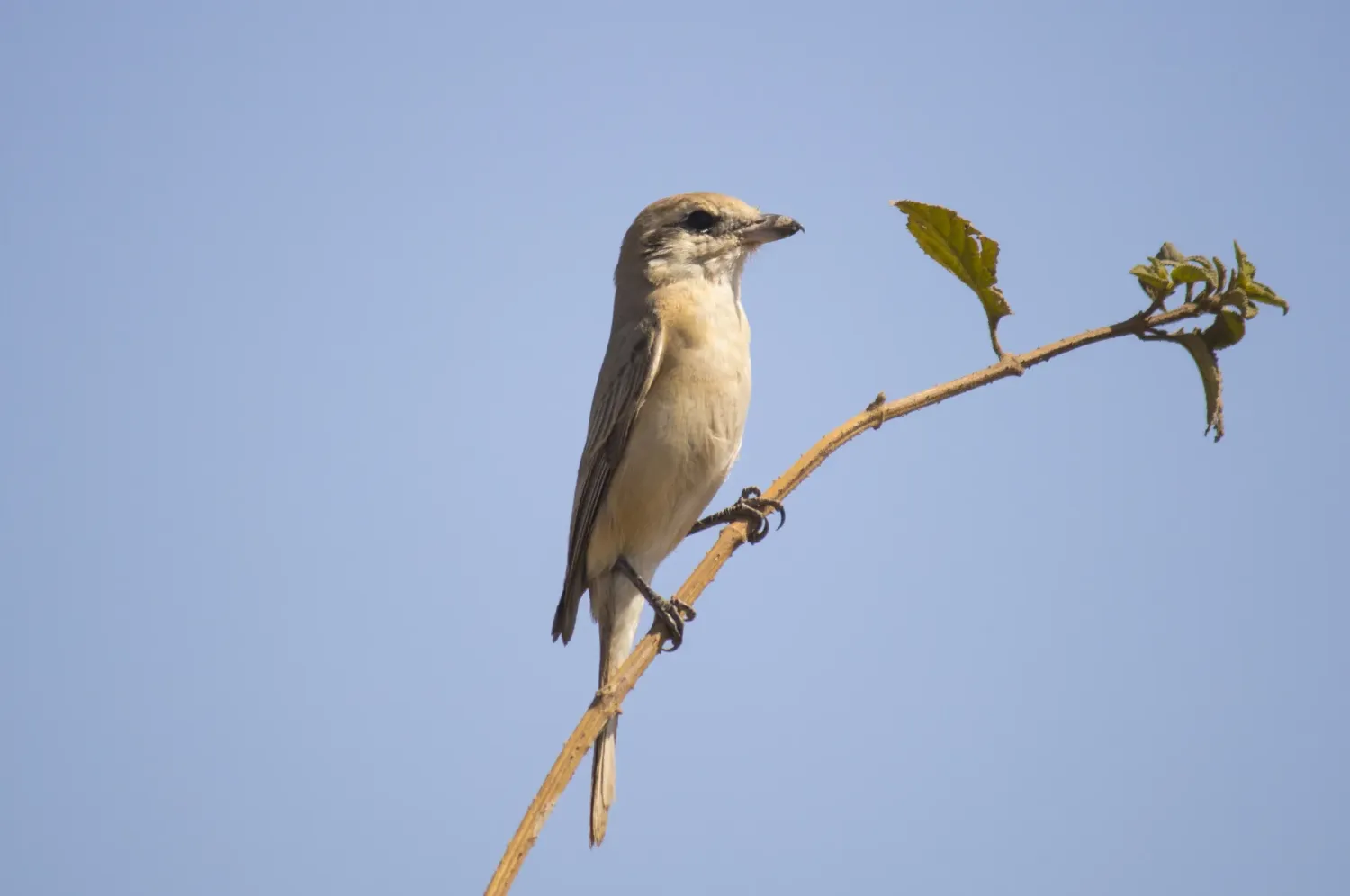
The Isabelline Shrike (Lanius isabellinus) is a medium-sized migratory passerine bird belonging to the shrike family. Known for its distinctive predatory behavior and sandy-colored plumage, it is often referred to as the 'butcher bird' due to its unique way of handling prey.
Physical Appearance
Measuring approximately 17 cm, the Isabelline Shrike is characterized by its sandy or isabelline-colored plumage, which provides excellent camouflage in dry environments. It features a prominent red tail. Juvenile birds can be distinguished from other shrike species by the sparse vermiculations on their underparts.
Habitat
This species thrives in open dry scrub and cultivated country, particularly where thorn bushes are present. In India, they are widely distributed across states including Gujarat, Rajasthan, Punjab, Haryana, and Uttar Pradesh, as well as parts of central and eastern India like Madhya Pradesh and Jharkhand.
Diet
The diet of the Isabelline Shrike primarily consists of insects, larvae, spiders, beetles, and termites. However, they are also known to hunt larger prey such as small birds, rodents, and lizards. They typically hunt from prominent vantage points to spot movement on the ground.
Breeding and Nesting
The Isabelline Shrike prefers to breed in open cultivated landscapes. They have a preference for areas with thorn bushes, which provide both nesting sites and a natural mechanism for their unique feeding habits.
Behavior
Like other members of the genus Lanius, this bird is known for its habit of impaling its prey on thorns or barbed wire. This serves as a 'larder,' allowing the bird to store food for later consumption. They are solitary hunters that frequently use wires or the tops of small trees as lookout posts.
Conservation Status - LC Least Concern
The Isabelline Shrike is a migratory species with a wide distribution across Asia. While not currently listed as endangered, its survival is linked to the health of dry scrubland ecosystems and the availability of insect populations.
Interesting Facts
- The genus name Lanius is derived from the Latin word for 'butcher.'
- The term 'isabellinus' refers to the greyish-yellow color, reportedly named after Isabella I of Castile.
- The common name 'shrike' comes from the Old English word scric, meaning 'shriek,' referring to its shrill call.
- They are highly territorial during the hunting season and will defend their 'larder' from other birds.
Tips for Birdwatchers
- Look for them on prominent perches such as the tops of bushes or telephone wires.
- Search for thorn bushes to find their cached prey, which is a sure sign of their presence.
- The best time to observe them in India is during the winter migratory months in the northern and western states.
Conclusion
The Isabelline Shrike is a remarkable bird that combines delicate beauty with fierce predatory skills. Whether you are an amateur birdwatcher or a seasoned ornithologist, spotting this 'butcher bird' in its natural scrubland habitat is always a rewarding experience.