
Introduction
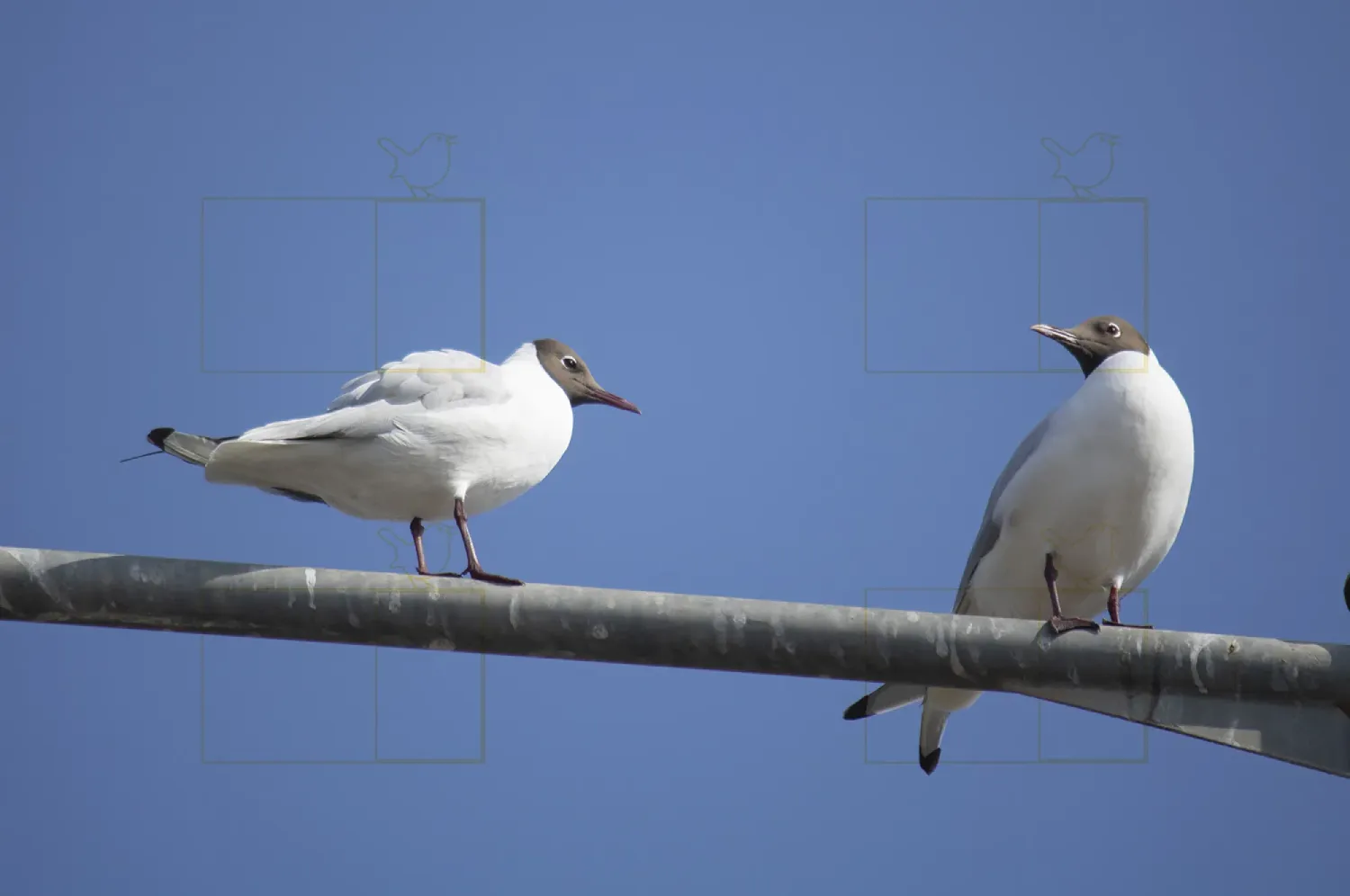
The Black-headed Gull (Chroicocephalus ridibundus) is one of the most common and recognizable gull species across the Palearctic region. Despite its name, its head is actually a deep chocolate-brown rather than black during the breeding season. This highly adaptable bird is frequently found both along coastal regions and far inland, making it a familiar sight in urban parks and farmland.
Physical Appearance
Measuring approximately 38 cm in length, the Black-headed Gull is a medium-sized gull with a graceful build. Its most striking feature is the chocolate-brown facial mask seen during the summer, which fades to a simple dark spot behind the eye in winter. It possesses pale grey upperparts, white underparts, and distinctive white leading edges to its wings. Its legs and bill are a vibrant deep red, providing a sharp contrast to its plumage.
Habitat
The Black-headed Gull is exceptionally versatile regarding its habitat. While many gulls are strictly coastal, this species thrives in inland wetlands, lakes, rivers, and marshes. They are also commonly seen in man-made environments such as sewage works, agricultural fields, and city parks where they scavenge for food. During the winter, they often congregate in large numbers on estuaries and coastal beaches.
Diet
This species is an opportunistic omnivore. Its natural diet consists of insects, earthworms, and small fish. However, they are well-known for their adaptability, frequently feeding on human food scraps in urban areas or following tractors in fields to pick up disturbed invertebrates. They are also known to engage in kleptoparasitism, stealing food from other birds.
Breeding and Nesting
Black-headed Gulls are highly social and breed in large, noisy colonies that can number in the thousands. They typically build their nests on the ground among lakeside vegetation, in reed beds, or on islands to avoid predators. A typical clutch consists of 2 to 3 eggs, which are incubated by both parents. The chicks are precocial and often leave the nest shortly after hatching to hide in nearby cover.
Behavior
These birds are extremely gregarious throughout the year. They are known for their loud, raucous "kree-ar" calls, especially when defending their territory or competing for food. They are agile fliers and can be quite aggressive when protecting their nesting sites. Many populations are migratory, moving south or to coastal areas during the harshest winter months.
Conservation Status - LC Least Concern
The Black-headed Gull is currently classified as Least Concern by the IUCN Red List. Their population is widespread and generally stable, thanks to their ability to adapt to human-altered landscapes. However, they remain protected under various international bird conservation treaties to ensure their habitats are preserved.
Interesting Facts
- The "black" head is actually dark brown and only appears during the breeding season.
- They can live for over 20 years in the wild.
- They are known to follow plows in fields to eat the worms and larvae turned up by the soil.
- In winter, their head becomes almost entirely white, except for a small dark smudge behind the ear.
- Their scientific name, ridibundus, comes from the Latin word for "laughing," referring to their vocalizations.
Tips for Birdwatchers
- Look for the wing pattern: In flight, look for the bright white leading edge on the outer wing.
- Check the legs: The deep red color of the legs is a key identifier compared to other small gulls.
- Visit parks: They are very approachable in urban parks, making them great subjects for bird photography.
- Listen for the noise: Their distinctive harsh calls often announce their presence before you see them.
Conclusion
The Black-headed Gull is a resilient and charismatic bird that has successfully integrated into human environments. Whether you are at a remote lake or a busy city square, these gulls offer a wonderful opportunity to observe avian behavior up close. Their seasonal plumage changes and social nature make them a fascinating species for both novice and experienced birdwatchers alike.
