
அறிமுகம்
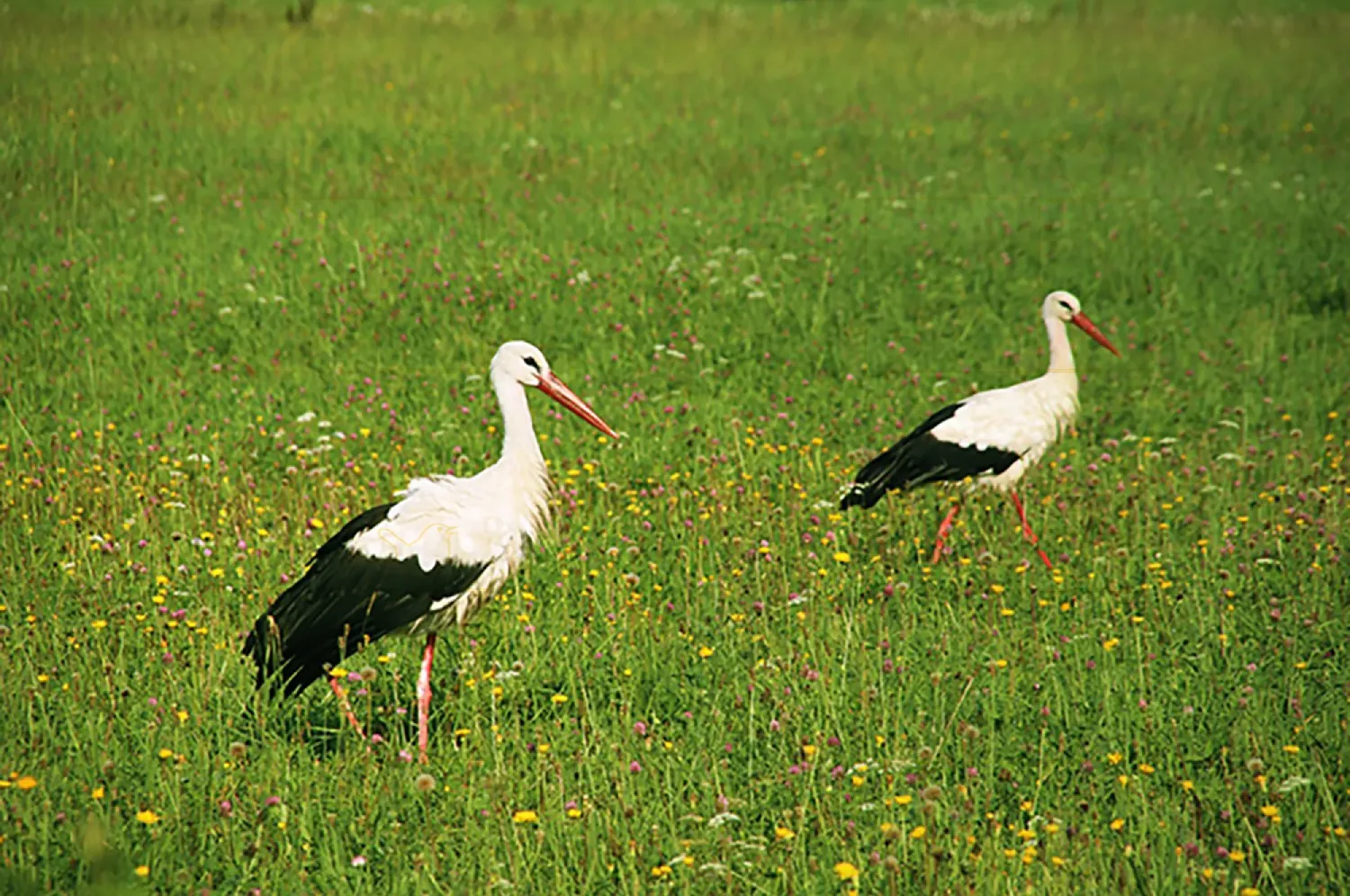
வெண் நாரை (White Stork) என்பது சீக்கோனிடே (Ciconiidae) குடும்பத்தைச் சேர்ந்த ஒரு பெரிய மற்றும் கம்பீரமான பறவையாகும். அதன் வெண்மை நிறத் தோற்றத்திற்காகவும், நீண்ட தூரம் இடம்பெயரும் பண்பிற்காகவும் இது உலகளவில் புகழ்பெற்றது.
உடல் தோற்றம்
இந்த பறவைகள் சராசரியாக 100 முதல் 125 செ.மீ நீளம் கொண்டவை. இவற்றின் உடல் முழுவதும் வெள்ளை நிறத்திலும், இறக்கைகளின் நுனிப்பகுதி கருப்பு நிறத்திலும் காணப்படும். முதிர்ந்த நாரைகளுக்கு நீண்ட சிவப்பு நிறக் கால்களும், கூர்மையான சிவப்பு நிற அலகுகளும் உள்ளன. இவற்றின் சிறகுகள் 155 முதல் 215 செ.மீ வரை விரிவடையக்கூடியவை.
வாழிடம்
வெண் நாரைகள் பொதுவாக புல்வெளிகள், ஈரமான விளைநிலங்கள், சதுப்பு நிலங்கள் மற்றும் ஆழமற்ற நீர்நிலைகளில் காணப்படுகின்றன. இவை தனியாகவோ அல்லது சிறிய கூட்டமாகவோ இரை தேடும். மனிதர்களைக் கண்டால் சற்று விலகிச் செல்லும் சுபாவம் கொண்டவை.
உணவு முறை
இவை ஒரு அசைவ உண்ணிகள் ஆகும். பூச்சிகள், மீன்கள், தவளைகள், ஊர்வன, சிறிய பாலூட்டிகள் மற்றும் சிறிய பறவைகள் எனப் பலதரப்பட்ட உயிரினங்களை இவை உணவாகக் கொள்கின்றன. இவை பெரும்பாலும் தரையில் அல்லது ஆழமற்ற நீரில் நடமாடி இரையைத் தேடுகின்றன.
இனப்பெருக்கம் மற்றும் கூடுகட்டுதல்
இவை பெரிய குச்சிகளால் ஆன கூடுகளை உருவாக்குகின்றன, இதைப் பல ஆண்டுகள் தொடர்ந்து பயன்படுத்தும். பெண் பறவை பொதுவாக ஒரு முறைக்கு நான்கு முட்டைகள் வரை இடும். தாய் மற்றும் தந்தை ஆகிய இரு பறவைகளும் முட்டைகளை அடைகாத்து, குஞ்சுகளுக்கு உணவளித்துப் பராமரிக்கின்றன.
நடத்தை
வெண் நாரைகள் நீண்ட தூரம் இடம்பெயரும் பறவைகள். இவை ஐரோப்பாவிலிருந்து ஆப்பிரிக்கா மற்றும் இந்தியத் துணைக்கண்டத்திற்குப் பயணம் செய்கின்றன. இவை கடலைக் கடப்பதைத் தவிர்த்து, நிலப்பரப்பின் வழியாகவே பயணிக்கின்றன, ஏனெனில் இவை பறப்பதற்குத் தேவையான வெப்பக் காற்றோட்டம் நீரின் மேல் உருவாவதில்லை.
பாதுகாப்பு நிலை - LC குறைந்தபட்ச கவலை
பன்னாட்டு இயற்கைப் பாதுகாப்புச் சங்கத்தினால் (IUCN) இவை குறைந்த கவலை (Least Concern) கொண்ட இனமாக வகைப்படுத்தப்பட்டுள்ளன. இருப்பினும், விவசாய முறைகளில் ஏற்படும் மாற்றங்கள் மற்றும் தொழில்மயமாக்கல் காரணமாக சில பகுதிகளில் இவற்றின் எண்ணிக்கை பாதிக்கப்பட்டுள்ளது.
சுவாரஸ்யமான தகவல்கள்
- ஐரோப்பிய கலாச்சாரத்தில் குழந்தைகளை நாரைகள் கொண்டு வருகின்றன என்ற புகழ்பெற்ற நாட்டுப்புறக் கதை இந்தப் பறவையை மையப்படுத்தியே உருவானது.
- இவை பல ஆண்டுகள் ஒரே கூட்டினைப் பழுதுபார்த்துப் பயன்படுத்தும் பழக்கம் கொண்டவை.
- வெண் நாரைகள் தங்களுக்குள் தொடர்புகொள்ள அலகுகளைக் தட்டி ஒருவித ஒலியை எழுப்புகின்றன.
பறவை ஆர்வலர்களுக்கான குறிப்புகள்
வெண் நாரைகளைக் காண அதிகாலை அல்லது மாலை நேரங்கள் மிகவும் ஏற்றவை. இவை பொதுவாக திறந்தவெளி புல்வெளிகளில் காணப்படுவதால், நல்ல தொலைநோக்கி (Binoculars) மூலம் இவற்றைத் தொந்தரவு செய்யாமல் தூரத்திலிருந்தே ரசிக்கலாம்.
முடிவுரை
வெண் நாரைகள் இயற்கையின் சமநிலையைப் பராமரிப்பதில் முக்கியப் பங்கு வகிக்கின்றன. அவற்றின் வியக்கத்தக்க இடப்பெயர்வு மற்றும் வாழ்க்கை முறை நமக்கு இயற்கை மீதான ஆர்வத்தை அதிகப்படுத்துகின்றன. இந்த அழகான பறவைகளைப் பாதுகாப்பது நமது கடமையாகும்.